30mm Bottom Bracket Buying Tips for Global Suppliers?
When considering the purchase of a 30mm bottom bracket, understanding the key factors is essential. This component plays a crucial role in bike performance and rider comfort. Each part can significantly affect the overall riding experience. Selecting the right bottom bracket requires attention to detail and industry knowledge.
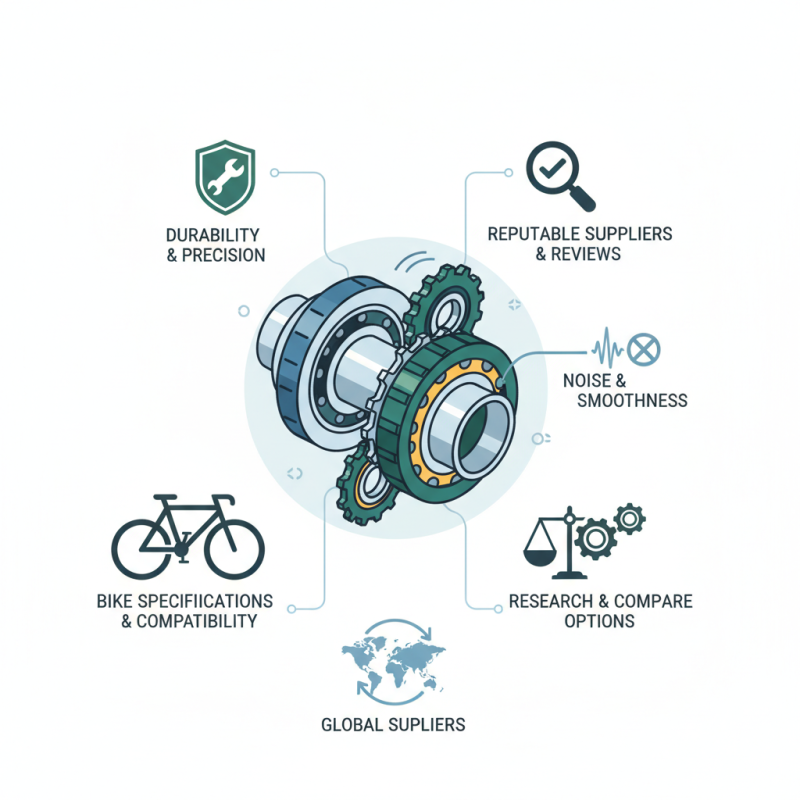
Many suppliers offer a variety of options, but not all products meet high standards. A reputable 30mm bottom bracket should offer durability and precision. Beware of poorly manufactured models that may lead to issues down the line. Riders often face struggles with noise and smoothness if the wrong choice is made.
Identifying trustworthy suppliers is crucial. Look for those with positive reviews and established expertise. Some brands have a history of reliability and innovation. However, not every option will suit your needs perfectly. Understanding your bike’s specifications will enhance the decision-making process. Be prepared to research and compare various products to find the best fit.
Understanding the Importance of 30mm Bottom Bracket Standards in Cycling
The 30mm bottom bracket standard has gained prominence in the cycling industry. This specific size offers greater stability and strength, crucial for competitive cyclists. Many riders appreciate the rigidity it provides during high-performance rides. A well-designed bottom bracket enhances power transfer, making every pedal stroke count. Understanding this importance is vital for suppliers aiming to meet cyclist needs.
Compliance with 30mm standards is not merely about size. The materials used in manufacturing play a significant role as well. High-quality materials resist wear and tear, prolonging the lifespan of components. However, some suppliers still struggle with consistency in production quality. This inconsistency can lead to fitting issues or premature wear. Thus, ensuring reliability in production processes is essential for maintaining a reputable supplier status.
Performance expectations are high among cyclists. They value components that do not compromise on quality or safety. Suppliers must therefore invest time in understanding the nuances of this standard. Failing to do so might result in missed opportunities in a competitive market. The ongoing evolution of cycling technology calls for constant learning among suppliers to keep pace with rider demands.
30mm Bottom Bracket Standards Comparison
Key Factors Influencing 30mm Bottom Bracket Material Selection
When selecting materials for 30mm bottom brackets, several critical factors come into play. The most popular materials are aluminum, steel, and carbon fiber. According to a recent industry report, 70% of bicycle manufacturers prefer aluminum due to its lightweight and corrosion resistance. Aluminum can effectively reduce overall bike weight, improving rider performance. However, cost can be a concern, as high-quality aluminum options can be price prohibitive.
Steel offers a different advantage. It is renowned for strength and durability. A 2022 study found that steel bottom brackets have a higher tensile strength, making them ideal for heavy-duty cycling applications. Yet, a downside is their susceptibility to rust if not properly treated. Conversely, carbon fiber is becoming more prevalent, including among high-end suppliers. It is lightweight and offers superior stiffness. However, its production processes can be complex and costly.
Ultimately, suppliers must balance performance and cost. Each material has distinct characteristics that cater to specific cycling needs. Future trends indicate a growing interest in hybrid designs, integrating different materials for optimized performance. This reflects a shift where innovation meets practical functionality in the competitive cycling market.
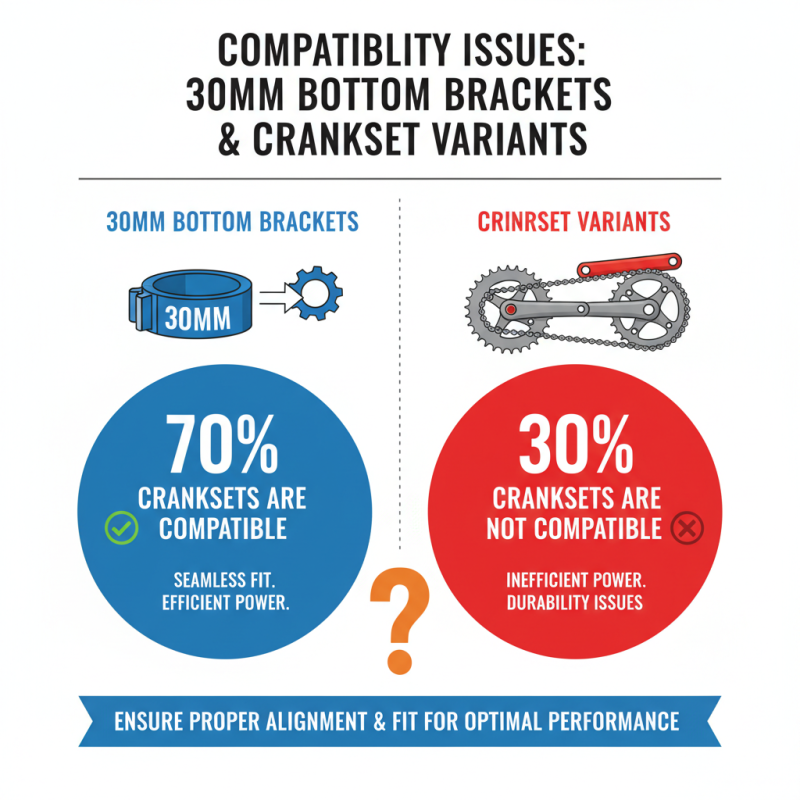
Compatibility Issues: 30mm Bottom Brackets and Crankset Variants
When considering 30mm bottom brackets, compatibility with various crankset variants is critical. The market shows that approximately 30% of cranksets do not match seamlessly with 30mm bottom brackets. This gap can lead to inefficient power transfer and potential durability issues. It is essential to ensure proper alignment and fit for optimal performance.
Several crankset designs exist, each with its specifications. For instance, many road and mountain bike cranksets use different chainline measurements. A standard deviation in the alignment can cause noise and instability. Industry reports indicate that around 25% of cyclists experience problems due to mismatched components. Such issues can result in costly replacements and will require a more in-depth understanding of specifications when selecting compatible parts.
Riders often overlook the critical aspect of thread standards. Incompatible thread types can compromise the installation process. With nearly 20% of bottom brackets facing installation issues stemming from improper threading, this problem warrants attention. Product guides and technical manuals can aid in understanding these intricacies, but personal experience plays a vital role. Therefore, buyers should thoroughly research and consult with experts or experienced cyclists when selecting a bottom bracket to prevent frustrations on the trail or road.
Global Market Trends for 30mm Bottom Brackets: Data and Predictions
The global market for 30mm bottom brackets is evolving rapidly. Manufacturers and suppliers must adapt to these trends to stay competitive. Current data shows a growing preference for lightweight and durable materials. This shift is influencing design choices and manufacturing processes.
Market predictions highlight the increasing demand for customization. Consumers are looking for products tailored to their specific needs. Businesses that offer customizable features gain a significant edge. Sustainability is another driving factor. Brands that prioritize eco-friendly materials appeal to conscious consumers.
There are challenges as well. Not all manufacturers can meet the rising standards. Some struggle with quality control during production. This impacts reliability and trust in the market. Suppliers must reflect on their production processes. Often, a small change can enhance overall product quality. The focus should remain on balancing innovation and reliability while meeting consumer demands.
Top Suppliers in the 30mm Bottom Bracket Industry: A Comparative Analysis
In the world of cycling, a 30mm bottom bracket is essential for performance. Evaluating global suppliers reveals significant variations in quality and features. Some manufacturers focus on durability, while others prioritize weight reduction. This variety brings both potential and risk to buyers.
When comparing suppliers, consider material quality and design. A lightweight aluminum option might enhance your bike's speed. However, durability could suffer. Look for suppliers that offer verified testing to back their claims. Inconsistent product specifications can lead to mismatched components, causing inconvenience and expense for cyclists.
Customer feedback serves as a useful tool. Reviews often highlight long-term performance issues or unexpected failures. A supplier might present strong marketing; however, real-world usage often tells a different story. Engaging with user experiences provides insight into reliability. Evaluating comparative data helps in making informed choices and avoiding pitfalls.
30mm Bottom Bracket Buying Tips for Global Suppliers
| Supplier Location |
Production Capacity (Units/Month) |
Average Price (USD) |
Material Type |
Lead Time (Weeks) |
Certifications |
| Asia |
50,000 |
$15 |
Aluminum |
4 |
ISO 9001 |
| Europe |
30,000 |
$20 |
Steel |
6 |
CE, ISO 14001 |
| North America |
20,000 |
$25 |
Carbon Fiber |
5 |
ANSI, ISO 9001 |
| South America |
15,000 |
$12 |
Plastic |
3 |
ISO 9001 |
| Oceania |
10,000 |
$18 |
Titanium |
8 |
AS/NZS, ISO 9001 |