68mm Bottom Bracket 7 Buying Tips for Global Buyers?
Choosing a 68mm bottom bracket looks simple until standards, shells, and riding conditions collide. A road frame may require a 68mm English-threaded unit, while another frame uses a different interface entirely. Small errors can create creaking, uneven chainline, or premature bearing wear.
Market reports show why this decision deserves more attention. Grand View Research estimates the global bicycle market reached approximately USD 77.7 billion in 2022, with continued growth expected through the decade. CONEBI’s European bicycle industry reviews also highlight strong demand for higher-value components and e-bike systems. These trends increase product variety, but they also increase specification risks for global buyers.
Lennard Zinn, bicycle engineer and technical author, describes the bottom bracket as “the heart of the bicycle.” That phrase is practical, not decorative. The component connects pedaling force, crank alignment, frame tolerances, and drivetrain efficiency. A 68mm bottom bracket must therefore be judged beyond its advertised width.
This guide examines seven buying considerations. They include shell compatibility, thread standard, spindle fit, bearing construction, sealing, supplier quality, and after-sales support. The details matter.
Measure twice.
Real-world purchasing is rarely perfect. Product pages can omit thread direction, axle length, or bearing clearance. Even experienced buyers sometimes trust a familiar model too quickly. That is a weakness worth admitting. Comparing technical drawings, requesting batch samples, and checking installation records can prevent expensive mistakes. For international orders, packaging quality and traceable test documentation matter as much as the alloy finish.
Understanding the 68mm Bottom Bracket Standard and Its Applications
68mm Bottom Bracket: 7 Buying Tips for Global Buyers
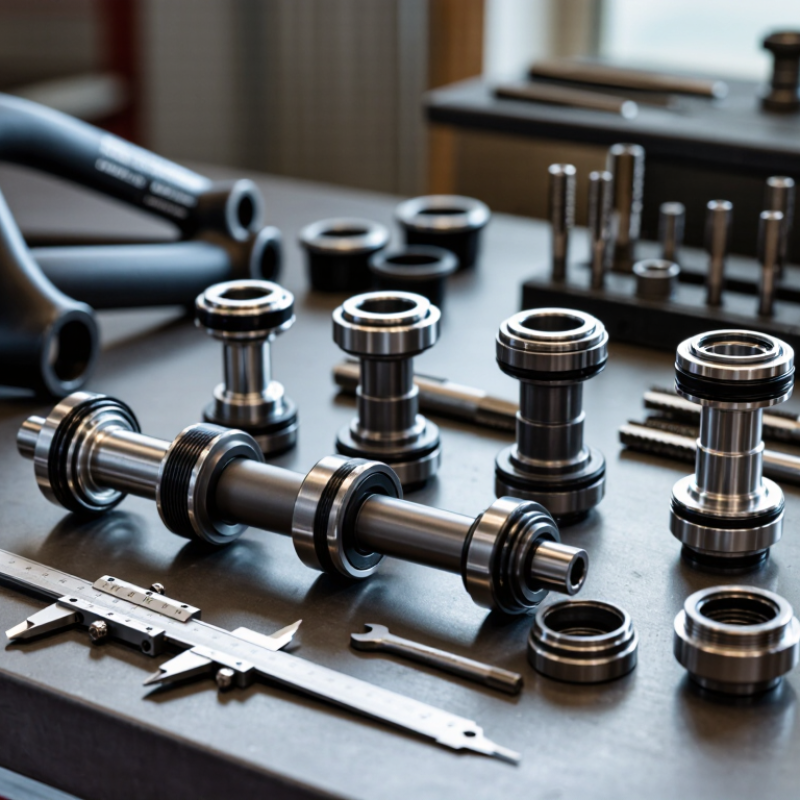
Understanding the 68mm bottom bracket standard helps buyers avoid expensive compatibility mistakes. The 68mm measurement refers to the bicycle frame’s shell width, measured without the cups or external parts. This standard appears on many road, trekking, gravel, and hardtail frames. However, shell width alone does not confirm compatibility. Thread type, axle design, crank interface, bearing position, and required spacers also matter. In practical workshop checks, a caliper is safer than guessing from an old part. Small errors can create chainline problems, noise, or premature bearing wear.
Tips: Measure the bare shell carefully. Confirm the thread specification. Match the bottom bracket with the crank axle length. Check whether spacers are required. Verify the intended chainline. Choose bearings suited to wet or dusty riding. Review the supplier’s technical drawing before ordering. These steps sound basic, but rushed purchasing often causes avoidable returns. Packaging should also protect threads and sealing surfaces. A damaged cup may look usable but fit poorly.
The 68mm standard is useful for bicycles using threaded shells, especially when easy servicing is important. It allows familiar installation with proper tools and controlled tightening. Yet, not every 68mm frame uses the same internal arrangement. Some crank systems need different spacers or bearing positions. Installation should follow measured specifications, not online assumptions. I would also recheck the crank preload after the first short ride. That extra inspection feels unnecessary, but it can reveal movement early. Specification tables are helpful, though they are not always perfectly clear.
Checking Frame, Crankset, and Spindle Compatibility
68mm Bottom Bracket: 7 Buying Tips for Global Buyers
A 68mm bottom bracket fits many road and touring frames, but shell width alone proves little. Measure the frame shell with calipers, not a ruler. Check whether it is threaded, press-fit, or damaged. Also inspect the internal edges for paint buildup. A small ridge can affect bearing alignment.
My own mistake was trusting an old specification sheet. The frame had been modified.
Tip: Confirm the crankset’s required bottom bracket standard. Check spindle length, axle shape, bearing position, and chainline. A crank spindle that is too short may touch the frame. One that is too long can shift the chainline outward. Compare the crank manufacturer’s technical drawing with your frame measurements. Do not rely on photographs. They hide critical dimensions.
Seven checks matter:
shell width
shell type
spindle diameter
spindle length
crank interface
chainline
clearance
Before ordering, measure the spindle and crank clearance near the chainstays. Rotate the crank slowly by hand after installation. Listen for rubbing. It should turn smoothly, without side play. Preload adjustment is easy to over-tighten, especially with unfamiliar systems. Stop and recheck. Thread direction and spacer placement also require attention. International listings sometimes use different measurement conventions, so request exact millimeter dimensions. Compatibility is possible, but never automatic.
Comparing Bottom Bracket Types, Materials, and Bearing Designs
For global buyers, a 68mm bottom bracket begins with accurate shell measurement.
Measure twice.
A 68mm shell may accept different spindle standards, thread forms, and crank interfaces. Confirm the shell width, internal diameter, thread direction, and spindle length before ordering. Product drawings are more dependable than marketplace photos. Check the supplier’s tolerance data, installation instructions, and replacement-part availability.
Threaded bottom brackets are usually easier to inspect and service. Press-fit designs can save weight, but they demand precise frame machining. Aluminum offers low weight and good corrosion resistance. Steel often tolerates rougher workshop conditions, although it adds weight. Composite cups may look advanced, yet surface quality and thread accuracy matter more than appearance.
I once trusted a smooth finish and ignored poor thread engagement. That was a costly mistake.
Bearing design changes both feel and maintenance. Sealed cartridge bearings resist dust and water better than exposed systems. Stainless bearings can suit wet commuting, while ceramic options may reduce friction but rarely justify their price for every rider. Choose angular contact bearings when preload adjustment is clearly specified. Otherwise, excessive preload can create drag and early wear. Inspect seal contact, bearing grade, grease compatibility, and expected service intervals. Ask for tested load data, not vague claims. Also verify packaging protection, regional support, and return procedures.
Some details remain uncertain.
Field conditions often defeat laboratory promises.
Evaluating Sealing, Durability, Installation, and Maintenance Needs
For global buyers, a 68mm bottom bracket should be judged by sealing, durability, installation, and maintenance access.
The shell width alone does not prove compatibility. Confirm axle standard, thread type, crank clearance, and manufacturer tolerances before ordering.
Sealing matters in wet roads and dusty workshops. Look for dual-lip seals, protected bearings, and visible grease retention.
A 2022 Grand View Research report valued the global bearing market at about USD 123 billion, showing how critical bearing performance is across industries.
However, bottom-bracket conditions are harsher than factory tests suggest. Pressure washing can force water past seals. It happens quickly. ISO 4210 testing supports safety evaluation, but it does not guarantee lifetime performance in salt, mud, or poor installation.
Tips:
Choose corrosion-resistant bearing races and inspect the seal edge for even contact. During installation, clean the shell threads and apply suitable assembly compound. Excessive torque can damage cups or create drag. Too little torque may cause creaking. Use a calibrated torque wrench.
Many failures begin with alignment errors, not weak materials. A 2023 bicycle-industry maintenance survey reported that contamination and neglected servicing remain common causes of component wear.
That finding deserves reflection: a premium seal cannot compensate for careless cleaning.
Check rotation after installation, then recheck for play after the first few rides. Frequency depends on rain, mileage, and road grit. There is no perfect service interval.
Verifying Sizing, Certifications, Shipping, and Supplier Reliability Worldwide
A 68mm bottom bracket shell does not guarantee a correct fit. Measure the frame shell with calipers, then confirm the axle length, bearing position, and thread standard. A two-millimeter error can create chainline problems or uneven crank loading. Ask the supplier for a technical drawing, tolerance range, and installation instructions. Check whether the stated 68mm refers to the shell width or the complete assembly. Suppliers sometimes describe these differently.
Request evidence for material quality and production control. Useful documents may include dimensional inspection records, material declarations, corrosion testing, and a current quality-management certificate. Certification alone is not enough. Match the certificate name, scope, and issuing organization to the actual factory and product. Ask for a pre-shipment sample from the same production process. It may feel slow, but a photograph cannot reveal thread damage or bearing roughness.
Shipping details deserve equal attention. Confirm carton dimensions, gross weight, packaging protection, customs documents, and agreed delivery terms before payment. A sealed inner bag, thread protector, and moisture-resistant carton can prevent small but expensive failures. Compare the quoted lead time with the supplier’s recent shipment records. Request references from buyers in different regions, but treat polished testimonials carefully. I once trusted a perfect inspection sheet too quickly; the batch still arrived with inconsistent labeling. That mistake changed my process. Now I check samples, documents, packaging, and communication together before approving a 68mm order.
68mm Bottom Bracket: 7 Buying Tips for Global Buyers
A 68 mm bottom bracket is a common nominal threaded shell width, but buyers should verify the frame shell measurement, thread standard, spindle interface, axle length, sealing, corrosion protection, certification documents, packaging, shipping requirements, and supplier quality records before ordering. Other commonly specified shell widths include 70, 73, 83, 100, and 120 mm, so width compatibility must be confirmed before shipment.