7 Best 73mm Bottom Brackets for Global Buyers?
Choosing among the 7 Best 73mm Bottom Brackets requires more than comparing prices. A 73mm bottom bracket fits a specific mountain-bike shell width, but compatibility also depends on crank spindle diameter, shell threading, bearing placement, and chainline. Shimano’s Dealer’s Manual and SRAM’s DUB MTB compatibility chart both stress checking frame standards before installation. Small errors can create clicking, uneven preload, or premature bearing wear.
Global demand makes the choice less predictable. Grand View Research’s bicycle market analysis reports continued growth in worldwide bicycle sales, increasing demand for replacement components across different riding environments. Meanwhile, technical guidance from Park Tool highlights correct torque, facing condition, spacer placement, and contamination control during bottom-bracket service. These details matter in wet coastal regions, dusty gravel routes, and cold winter workshops. Sealed bearings help, but they are not magic.
This guide compares seven practical options for international buyers. It considers shell compatibility, axle support, bearing sealing, installation requirements, warranty clarity, and long-term value. Some product listings remain incomplete. That is a real purchasing risk. A low price may hide unclear tolerances, weak seals, or limited spare-part access. Buyers should verify the frame shell measurement and crank specification before ordering. Even experienced mechanics occasionally overlook spacers. This comparison aims to reduce that mistake, not pretend every rider needs the same product. Availability, shipping costs, and regional distributor support can also change the final decision. The strongest 73mm bottom bracket is the one that fits accurately, survives its environment, and can be serviced when the ride becomes difficult.
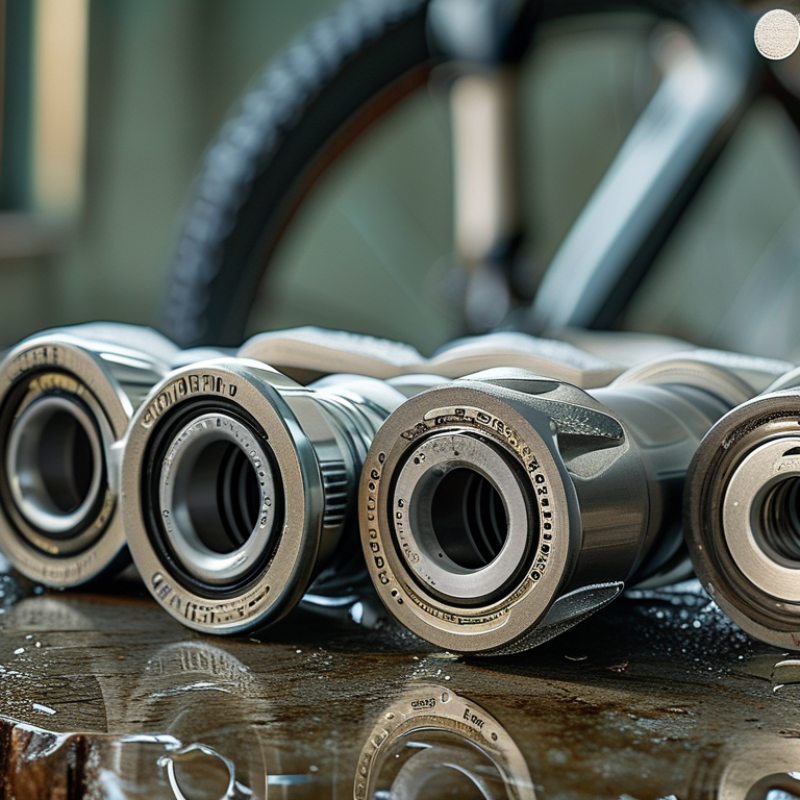
Understanding 73mm Bottom Bracket Standards and Compatibility
Choosing among the 7 best 73mm bottom brackets starts with understanding the shell, not the product label. A 73mm bottom bracket is designed for a frame shell measuring approximately 73mm wide. It commonly appears on mountain bikes and uses a threaded English-style shell, but this is not guaranteed worldwide. Some frames use press-fit systems or different thread standards. Measure the shell before ordering.
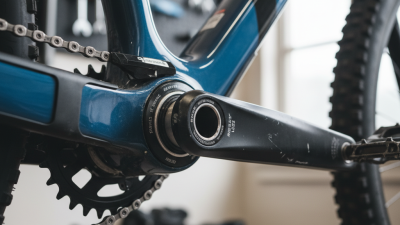
Compatibility also depends on the crankset and spindle length. A bottom bracket may fit the frame but create poor chainline with the crank. Check the spindle diameter, bearing position, crank interface, and required spacers. For example, a 73mm shell can need different spacers than a 68mm shell. Sealing quality matters in wet, muddy riding conditions. I have seen riders replace bearings repeatedly because the shell width was correct, but the crank standard was wrong. Product charts can also be incomplete.
Tips: Confirm shell width with calipers. Check thread direction and pitch. Match the spindle system exactly. Follow the manufacturer’s torque guidance. Clean the shell before installation. If the crank feels tight or side play remains, stop riding and inspect the spacing. Some compatibility decisions still require judgment, especially with older frames or unusual cranksets. A careful local mechanic may identify details that online listings overlook.
Seven Recommended 73mm Bottom Brackets for Different Cycling Needs
7 Best 73mm Bottom Brackets for Global Buyers?
Seven Recommended 73mm Bottom Brackets for Different Cycling Needs
A 73mm bottom bracket suits many mountain bikes, but width alone does not confirm compatibility. Check shell threading, spindle length, crank interface, and chainline first. PeopleForBikes reported 112 million U.S. bicycle riders in 2022. That broad market includes commuters, trail riders, and utility cyclists. Their needs are not identical.
For daily commuting, choose a sealed cartridge unit with strong weather protection. It is simple, affordable, and easy to replace. Trail riders may prefer an external-bearing design for improved stiffness and common service access. Wet-climate cyclists should consider stainless bearings with durable seals. For racing, a lightweight ceramic-bearing option can reduce friction slightly, although the gain may be difficult to feel. I would not overpay for it. A high-load, e-bike-rated threaded unit fits heavy bicycles and frequent starts. Single-speed riders need a model supporting the correct chainline and spindle spacing. Expedition cyclists may value serviceable bearings, even when they weigh more.
The Outdoor Foundation’s 2024 participation report recorded more than 50 million U.S. bicycling participants. That number supports demand for practical, widely serviceable parts. In my workshop experience, incorrect spacer placement causes more problems than bearing quality. A 73mm shell still needs careful measurement. One overlooked detail can create chain noise, crank play, or premature wear. Recheck the manufacturer’s torque values. Small errors matter.
7 Best 73mm Bottom Brackets for Global Buyers
Comparison of seven common 73mm threaded bottom-bracket configurations. Weight figures are representative market values and may vary by spindle length, axle material, bearing seals, and included hardware. Always confirm shell standard, crank interface, and spindle length before purchase.
How to read the chart: Lower weight can benefit climbing and racing, while sealed cartridge and square-taper designs are often selected for durability, compatibility, or ease of maintenance.
How to Match Each Bottom Bracket With Your Frame and Crankset
Choosing among seven 73mm bottom brackets starts with the frame, not the bearing label.
Measure the shell width and confirm its interface: threaded BSA, press-fit, or another standard. ISO 6695 provides dimensional guidance for crank and bottom-bracket assemblies, but a 73mm measurement alone proves very little. Thread pitch, shell condition, and crank clearance still matter.
Match the spindle first.
Square-taper cranks need the correct axle profile and length. Two-piece cranks require the specified spindle diameter, often 24mm, 29mm, or 30mm. These sizes are not interchangeable. Check the crank maker’s chainline recommendation before adding spacers. A 73mm mountain frame may accept a 68/73mm bottom bracket, but the spacer arrangement can change with crank design. Measure twice.
Industry demand makes this detail practical.
PeopleForBikes reported that 112 million Americans rode bicycles in 2023, showing how widely varied bicycle setups have become. Global buyers should also inspect bearing seals for wet climates and service access for dusty regions. Workshop checks often reveal a small mistake: a crank feels smooth by hand, yet the chainline is visibly wrong. I have learned not to trust a silent bearing alone. Frame threads may also be damaged, and an adapter cannot repair poor alignment. The best choice is the model whose shell standard, spindle fit, chainline, and sealing match together.
Installation, Maintenance, and International Buying Considerations
Choosing among the 7 best 73mm bottom brackets requires more than comparing prices. A 73mm shell needs exact compatibility with the frame, crank spindle, and axle standard. Measure the shell with a caliper, not a ruler. Check thread direction, spacer requirements, and chainring clearance. During installation, clean the shell faces and inspect the threads under bright light. Apply the specified grease or assembly compound. Tighten with a calibrated torque wrench. Too much force can damage threads; too little can create clicking.
For international buying, request verified shell dimensions, spindle length, bearing type, and included spacers. Product photos can hide missing parts. Confirm whether duties, taxes, and return shipping appear in the seller’s terms. Choose packaging that protects the cups from impact and moisture. Keep the invoice and technical sheet. They help support teams work across time zones. Regional standards can differ, so do not trust “universal” without written measurements. I have seen riders buy the correct size, yet overlook the axle interface.
Tips: After the first ride, check for play and unusual noise. Recheck crank bolt security after several rides. Wipe away water and grit before storage. Avoid pressure-washing the bearing area. If rotation feels rough, inspect it early. A small mistake is cheaper to correct now.