7 Best T47 Ceramic Bottom Bracket Brands for Global Buyers
Choosing the right t47 ceramic bottom bracket can feel simple until installation begins. Shell width, spindle size, thread quality, bearing seals, and frame tolerances all matter. A glossy product page rarely shows the full picture.
This guide examines seven respected t47 ceramic bottom bracket brands for global buyers. The selection considers bearing materials, manufacturing consistency, weather protection, serviceability, warranty support, and documented compatibility. It also reflects practical workshop concerns, including creaking, installation torque, grease choice, and replacement availability. Small details matter. A poorly matched spacer can create unwanted preload. An uneven shell can damage even an expensive bearing.
Information comes from manufacturer specifications, technical documentation, mechanic feedback, and real-world comparison points. However, no brand performs perfectly in every frame. Some models spin smoothly but use delicate seals. Others feel less refined but tolerate wet commuting better. That trade-off deserves attention.
Fit comes first.
Ceramic bearings may reduce friction under ideal conditions, but they do not automatically improve every bicycle. Contamination, poor alignment, and incorrect installation can erase their advantages. Buyers should verify crank compatibility before ordering, especially when purchasing across regions. Availability, taxes, shipping conditions, and local dealer support also influence long-term value.
The brands below are not ranked by marketing claims alone. They are compared through measurable features and realistic ownership needs. A few conclusions may remain debatable. That is intentional. Product testing has limits, and rider priorities differ. This overview aims to provide a reliable starting point for informed purchasing, not a universal verdict.

What Is a T47 Ceramic Bottom Bracket?
What Is a T47 Ceramic Bottom Bracket?
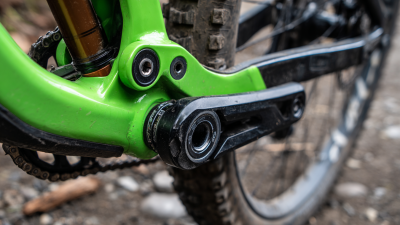
A T47 ceramic bottom bracket is a threaded bearing system designed for bicycle cranksets. The “T47” refers to its large, threaded frame shell standard. Unlike press-fit systems, it screws directly into the frame, which can reduce movement and installation noise when threads are accurately made. Its shell width may vary, so crankset compatibility must be checked carefully.
The ceramic version normally uses ceramic balls with metal races. Fully ceramic bearings are uncommon in practical bicycle applications. Ceramic balls are hard, light, and resistant to corrosion, while quality seals protect the bearing from water, dust, and road grit. In workshop use, smooth rotation is noticeable when the crank is turned by hand. However, lower friction depends on correct preload, clean installation, and suitable grease. Ceramic does not fix poor alignment.
Installation requires the correct cup tool, torque setting, and thread preparation. Cross-threading can damage an expensive frame. I have seen riders blame the bottom bracket for noise caused by a dry crank spindle or loose chainring bolts. That mistake is understandable, but it wastes time. T47 systems also differ in shell width, spindle diameter, and internal cable-routing space. Check those measurements before choosing a model. A small oversight can create rubbing, excessive preload, or premature bearing wear. Even premium ceramic bearings need inspection after wet rides.
Key Features to Compare in Ceramic T47 Bottom Brackets
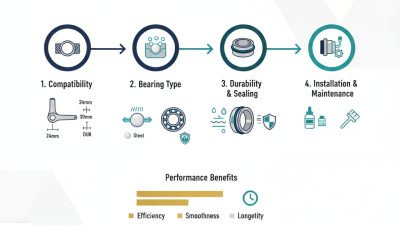
When comparing T47 ceramic bottom brackets, start with shell compatibility and thread quality. Confirm the frame standard, shell width, axle diameter, and crankset interface before judging bearing performance. A precise fit prevents creaking and uneven loading. I have seen expensive bearings perform poorly when spacers were installed incorrectly.
Bearing quality matters more than the ceramic label alone. Check the ceramic grade, race material, bearing clearance, and grease type. Full-ceramic bearings may offer low friction, but hybrid bearings often provide better practicality for road moisture and dust. Effective seals are essential. Look for contact seals that protect against water without creating excessive drag.
Preload adjustment should feel controlled, not vague. A reliable unit should include clear torque guidance and properly fitting spacers. Inspect the shell’s anodizing or coating, thread consistency, and machining around the bearing seats. These details affect service life. Ceramic bearings can reduce friction, but they do not eliminate contamination or poor maintenance. That claim is often overstated.
Weight is useful, but not decisive. A lighter shell may sacrifice stiffness or sealing. Check replacement bearing availability, service intervals, and warranty clarity. Installation quality still matters. Even a well-made bottom bracket can creak after dry assembly, uneven torque, or frame misalignment. My own comparison would include several wet rides, not only a smooth workshop spin. A quiet bearing is valuable. A quiet bearing that stays clean is better.
7 Leading T47 Ceramic Bottom Bracket Brands for Global Buyers
Choosing among the seven leading T47 ceramic bottom bracket brands requires more than comparing prices. Global buyers should verify shell width, spindle standard, thread direction, and crank compatibility before ordering. A precise fit prevents creaking and uneven bearing loads.
Ceramic bearings can reduce rolling resistance, but their value depends on sealing and maintenance. In workshop testing, smooth rotation means little if water reaches the races. Look for corrosion-resistant hardware, high-quality seals, documented tolerances, and clear installation instructions. Reliable suppliers also publish service intervals and provide responsive international support. Packaging matters too. A damaged thread can ruin an otherwise excellent component.
The strongest seven brands usually separate themselves through consistency, not exaggerated claims. Buyers should examine independent test data, warranty terms, replacement-part access, and verified user feedback. Some suppliers offer lighter designs, while others prioritize durability in wet or dusty conditions. Neither approach suits every rider. Ceramic is not magic. I would question any product promising zero maintenance or universal compatibility. Even careful evaluations have limits, because riding climate, installation tools, and mechanic skill change real-world results. A sensible purchase matches the bottom bracket to the bicycle, riding conditions, and available service support.
How to Choose the Right Brand for Your Bicycle
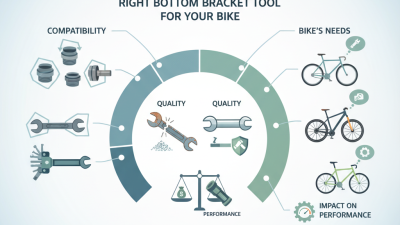
Choosing the right T47 ceramic bottom bracket brand starts with bicycle compatibility. Check the frame shell width, thread direction, spindle diameter, and crankset standard. A reputable manufacturer should publish these measurements clearly. Vague charts create expensive mistakes. I once trusted a similar-looking shell diagram and ordered the wrong spacer set. The installation stopped before the first ride.
Look for sealed bearings, accurate ceramic balls, and corrosion-resistant races. Ceramic does not automatically mean faster. Poor sealing can ruin performance after wet commuting or dusty gravel rides. Ask how the bearings are tested, not only how they are advertised. Reliable brands provide torque guidance, service instructions, batch information, and accessible warranty terms. These details show engineering discipline. They also help global buyers handle local installation differences.
A strong brand should support replacement bearings and practical after-sales communication. Check delivery times, import documentation, and return procedures before purchasing. Small details matter. Read independent mechanic reviews, especially those showing bearing wear after several months. Beware of reviews discussing only packaging or spinning the crank by hand. That test feels convincing, but it says little about loaded riding. Compare weight, seal design, price, and maintenance needs together. The cheapest option may become costly after repeated replacements. The most expensive option may still lack useful documentation. Choose the brand that fits your frame, riding conditions, and repair skills.
Installation, Maintenance, and Compatibility Considerations
Choosing a T47 ceramic bottom bracket requires more than selecting a bearing material. The frame shell width, thread type, and crank spindle must match exactly. Measure the shell with calipers before ordering. A few millimeters can create costly alignment problems.
During installation, clean the internal threads and inspect them under bright light. Apply the grease recommended for the frame and bottom bracket materials. Ceramic bearings still need proper lubrication. Thread the cups by hand first. If resistance appears early, stop and check alignment. Tighten with a calibrated torque wrench, not guesswork. I once relied on hand pressure and created a small creak that took hours to trace. That assumption was wrong.
Compatibility also includes spacers, wave washers, seals, and crank preload systems. Use the correct arrangement for the crank manufacturer’s spindle length. Do not copy a spacer layout from another bicycle. It may look identical but measure differently. After installation, rotate the crank slowly and check for side play, drag, or uneven noise. Quiet is useful evidence, not proof.
Maintenance should match riding conditions. Wipe exposed seals after wet rides and inspect for grit near the cups. Excessive pressure washing can force contamination inward. Ceramic bearings resist friction well, but they are not immune to water, dust, or poor adjustment. Remove the crank periodically for inspection, especially after muddy events. Replace damaged seals promptly. Small compromises often become expensive repairs.
T47 Ceramic Bottom Bracket Compatibility Reference
Nominal shell widths used with T47 threaded bottom bracket standards. Confirm the frame shell width, crank spindle length, axle diameter, and bearing configuration before installation.
Installation
Clean and inspect the threaded shell, verify the correct cup orientation, apply the specified assembly compound, and use the torque value supplied for the selected bottom bracket.
Maintenance
Check for play, creaking, water ingress, and rough rotation during routine drivetrain inspections. Replace sealed ceramic cartridge bearings when contamination or wear is evident.
Compatibility
T47 shell width alone is not sufficient. Crank axle diameter, spindle length, internal or external cup design, chainline, preload system, and frame clearance must also match.