What Is the Best T47 Ceramic Bottom Bracket in China?

Choosing the best t47 ceramic bottom bracket in China takes more than comparing price tags or bearing labels. T47 uses a large threaded shell, commonly specified at 47 mm, but shell width, spindle diameter, crank compatibility, and frame tolerances still matter. A cup that looks right in a product photo may not suit your frame. Measure carefully.

Published technical materials from T47 component manufacturers and CeramicSpeed’s bearing-testing program offer useful starting points. They describe interface dimensions and compare bearing friction under controlled conditions. Those results are not a promise of measurable speed gains on every bicycle. Installation, lubrication, contamination, and alignment can change real-world performance. Independent, like-for-like data for every Chinese-made option is limited, so claims should be checked against test methods and product documentation.

A useful drivetrain principle associated with engineer Josh Poertner is that fit and system alignment matter more than a material label; this is a paraphrase, not a verified verbatim quotation. That distinction matters when evaluating ceramic bearings. A smooth hand spin is not proof of lower riding resistance. Listen for scraping. Check for play. Review the manufacturer’s stated tolerances and warranty, then confirm the exact crank and frame specifications. Small details count.

This guide compares construction, sealing, compatibility, service support, and evidence behind performance claims. It also recognizes an imperfect reality: published tests rarely reproduce every rider, climate, or maintenance routine. The best choice is therefore not automatically the most expensive one. It is the t47 ceramic bottom bracket whose fit and support can be verified.
What Is the Best T47 Ceramic Bottom Bracket in China?

What a T47 Ceramic Bottom Bracket Is

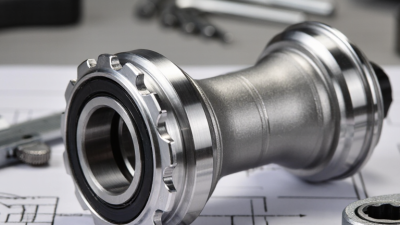
A T47 ceramic bottom bracket combines a threaded frame interface with ceramic rolling elements inside its bearings. The T47 shell has a nominal 47 mm diameter and 1 mm thread pitch. Shell width varies, so measure the frame before choosing cup depth and spindle compatibility. A clean fit matters. Cross-threading or incorrect spacers can create noise and uneven loading.

“Ceramic” usually describes the balls, often made from silicon nitride; the races are commonly steel. The material alone does not guarantee lower drag or longer service life. ISO 281:2007 calculates basic bearing rating life using L10 = (C/P)³ for ball bearings, in millions of revolutions. Here, C is dynamic load rating and P is equivalent dynamic load. This standard offers a useful engineering framework, not a lifespan promise for a complete bicycle assembly. Dirt, water, preload, and installation can change real-world results. I would not call a ceramic unit automatically faster. That claim needs controlled testing, and I have seen riders overlook fit and sealing while chasing tiny friction gains. Check crank compatibility, seals, and service access before comparing materials.

How T47 Standards Affect Frame and Crank Compatibility

T47 compatibility starts with the frame, not the crank. Industry T47 dimensional specifications describe a nominal 47 mm shell thread with a 1 mm pitch. Published fit tables show shell widths including 68, 73, 77, and 86.5 mm. These measurements are not interchangeable. A cup made for one width may leave the axle poorly supported in another. ISO 4210-6:2023 covers bicycle frame test methods, but it does not confirm that a particular crank fits a T47 shell.

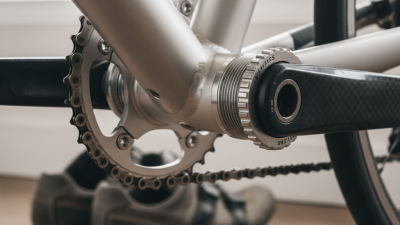
The crank’s spindle diameter, usable length, and chainline matter too. A threaded T47 shell can accept different bearing and cup arrangements, depending on the spindle. Measure the frame shell and check the crank maker’s stated axle requirements before ordering. In workshop checks, I still remeasure shell width; paint and facing can complicate a simple measurement. Small detail. Real consequences. The wrong combination can cause poor bearing preload, rubbing, or a crank that will not install correctly.

Tips: Check the frame’s T47 variant, shell width, and thread condition. Then match the bottom bracket to the crank spindle, not just the frame standard. Confirm chainline and required spacers against the crank’s technical chart. If dimensions are unclear, pause before pressing or threading parts together. A fit that seems close is not proof of compatibility.

What Is the Best T47 Ceramic Bottom Bracket in China? — How T47 Standards Affect Frame and Crank Compatibility

Selection Dimension Relevant Specification or Fact Compatibility and Buying Guidance
What “T47” means A threaded bottom-bracket system with a nominal 47 mm frame-shell diameter. The commonly specified thread is 1.37 in × 24 TPI. Confirm the frame maker specifies T47. A similar shell diameter or the word “threaded” alone does not establish compatibility.
Frame shell width T47 frames are made in different shell widths, including 68 mm and wider configurations. The exact width depends on the frame design. Match the bottom bracket to both the frame’s T47 version and its measured or documented shell width. Do not select by thread standard alone.
Internal or external cups T47 designs may place the bearing cups inside the frame shell or extend them outside it. Cup layout affects the required bottom-bracket configuration. Check the frame specification and product dimensions. Internal and external cup assemblies are not automatically interchangeable.
Crank spindle diameter Common crank spindle formats include 24 mm, 30 mm, and approximately 29 mm systems. T47 describes the frame interface, not the crank spindle. Choose a bottom bracket explicitly designed for the crank’s spindle diameter and system. Some models use different bearing or sleeve arrangements for different spindles.
Spindle length and crank design Spindle length, crank-arm shape, and intended frame width vary by crank model. Use the crank maker’s compatibility chart to confirm the spindle works with the frame width and the selected T47 bottom bracket. Spacers cannot correct every mismatch.
Ceramic bearing construction Many ceramic-bearing bottom brackets use ceramic balls with steel races; this is commonly described as a hybrid ceramic bearing. Full-ceramic designs use ceramic balls and races. Check the stated bearing construction and sealing details. “Ceramic” by itself does not describe the full bearing or guarantee lower drag in real riding conditions.
Seals and riding conditions Seals help limit water and grit entering the bearings, while contact and seal design can affect running resistance. For wet, dusty, or everyday riding, prioritize appropriate sealing and serviceability alongside bearing material.
Installation and tools Threaded cups require correct alignment, suitable installation tools, and the specified installation procedure. Follow the frame and bottom-bracket instructions for tool type, tightening method, and any required lubricant or thread treatment. Avoid cross-threading the frame.
Manufacturing location A product made in China is still governed by its stated frame interface, shell width, spindle fit, and component tolerances. Manufacturing location does not define a separate T47 standard. Compare drawings, dimensions, materials, sealing, and documented compatibility.
Practical “best” choice The best option is the correctly specified T47 assembly that matches the frame shell and crank, with suitable bearings, seals, and support documentation. Before purchase, verify the frame’s T47 variant and width, the crank’s spindle format and length, and the bottom bracket’s stated compatibility. No single T47 ceramic model fits every frame and crank.

Compatibility note: Confirm the exact frame and crank specifications before ordering. T47 identifies the threaded frame interface; it does not, by itself, specify shell width, cup layout, bearing type, or crank-spindle compatibility.

Key Factors for Evaluating Ceramic Bearings and Construction

What Is the Best T47 Ceramic Bottom Bracket in China?

Evaluating ceramic bearings starts with the balls, but construction matters just as much. Silicon nitride has a typical density near 3.2 g/cm³, compared with about 7.8 g/cm³ for bearing steel, as reported in engineering materials references such as the ASM Handbook. That difference reduces ball mass, not the entire bottom bracket’s weight by the same proportion. A lighter ball alone does not prove lower friction or longer service life. Fit matters. Check whether the bearing seats evenly in the T47 shell, and whether the seals turn freely without excessive drag. Misalignment can spoil a carefully made bearing.

Ask for test conditions, not just a lifespan claim. ISO 281:2007 defines basic bearing rating life at 90% reliability; it is a statistical measure, not a promise that every unit will last equally long. Useful evidence should identify load, speed, lubrication, temperature, and contamination conditions. On a real bike, grit near the crank seal and water after wet rides can change performance quickly. I would still treat smooth hand-spinning as a weak test. It feels reassuring, but it says little about loaded riding. Compare documented endurance results, shell-fit tolerances, seal design, and replacement access before choosing a T47 ceramic unit.

Chinese T47 Ceramic Bottom Bracket Brands and Product Options

Chinese T47 ceramic bottom brackets are offered in several configurations, rather than one universal design. Common choices include alloy cups with hybrid ceramic bearings, different axle diameters, and cup layouts for specific frame shells. Some sellers also list full-ceramic bearings, but buyers should check race and seal materials carefully. The product title alone is not enough.

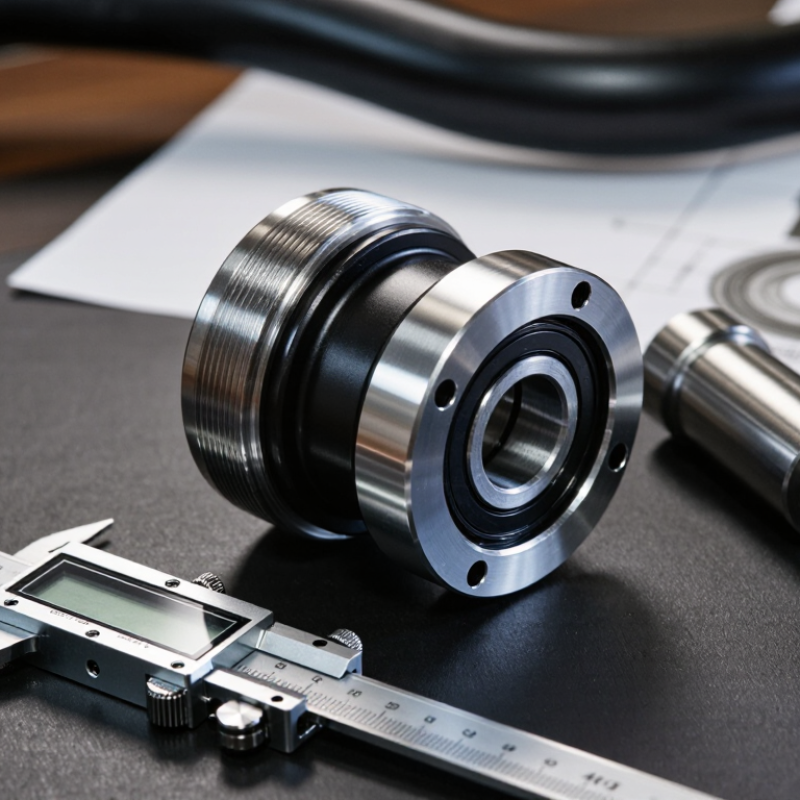
Fit matters most. Compare the frame’s T47 shell width and diameter with the maker’s specification, then match the crank axle and required spacers. A caliper can help confirm measurements. Ask for a drawing or written compatibility details if the listing is vague. Small differences can cause creaks or poor bearing alignment. Annoying, but real.

Hybrid ceramic options pair ceramic balls with steel races and are often the more practical choice for everyday riding. Ceramic balls do not automatically mean lower drag; bearing seals, lubrication, installation, and preload also affect performance. Check replacement-bearing availability and warranty terms before buying. A smooth spin by hand is useful, not proof of long-term durability. I would still want clearer testing data from some listings.

How to Choose and Verify the Right T47 Bottom Bracket

What Is the Best T47 Ceramic Bottom Bracket in China?
How to Choose and Verify the Right T47 Bottom Bracket

Choosing a T47 bottom bracket starts with fit, not the word ceramic. The T47 dimensional specification lists a 47 mm nominal thread diameter and 1 mm pitch. But shell widths vary, so measure the frame and check its technical documentation. Common configurations include 68 mm and 86.5 mm shells. Confirm the crank spindle diameter, cup type, and available frame clearance before ordering. A ruler helps, but precise calipers are better.

Ask for the bearing material, seal design, and installation instructions. “Ceramic” may mean ceramic balls with steel races, not a fully ceramic bearing. Request test methods and load data, then compare like with like. ISO 281:2007 defines basic rolling-bearing rating life using 90% reliability; it does not show that ceramic bearings are automatically faster. That distinction matters. Check the maker’s stated torque values and use a calibrated torque wrench during installation. Inspect threads for damage, and confirm that the cups seat squarely without rubbing the frame. I still double-check this, because nominal dimensions can hide clearance issues. A clear fitment chart and traceable test data are stronger evidence than a speed claim.

What Is the Best T47 Ceramic Bottom Bracket in China? How to Choose and Verify the Right T47 Bottom Bracket

How to choose: T47 uses a nominal 47 mm threaded shell with a 1 mm thread pitch, but shell widths vary by frame. Check your frame’s specified shell width and confirm compatibility with your crank spindle diameter and required spindle length before choosing a bottom bracket. A ceramic bearing label alone does not establish fit or performance.

This website uses cookies to ensure you get the best experience possible. Learn more.