What is a Bottom Bracket Bike? Understanding Types and Choosing the Best
In the world of cycling, the term "bottom bracket bike" often surfaces as a critical focal point for both enthusiasts and competitive riders alike. Understanding the intricacies of bottom bracket systems can greatly enhance your riding experience, providing improved performance and comfort. Renowned cycling expert Dr. Sarah Thompson, a leading authority on bicycle engineering, emphasizes this importance when she states, "The bottom bracket is the heart of the bike; it connects the rider's power to the wheels effectively."
Choosing the right bottom bracket bike involves familiarizing oneself with various types available on the market. With options ranging from threaded to press-fit systems, each design influences how power is transmitted through the bike and affects overall ride quality. Whether you're a casual rider looking to upgrade your bicycle or a competitive cyclist seeking the edge in performance, understanding these elements is crucial.
In this guide, we will explore the different types of bottom bracket bikes, highlighting their features and advantages. By grasping the fundamentals and learning from industry insights, cyclists can make informed decisions, ensuring they choose the best bottom bracket bike that suits their needs and riding style.
Types of Bottom Brackets: A Comprehensive Overview
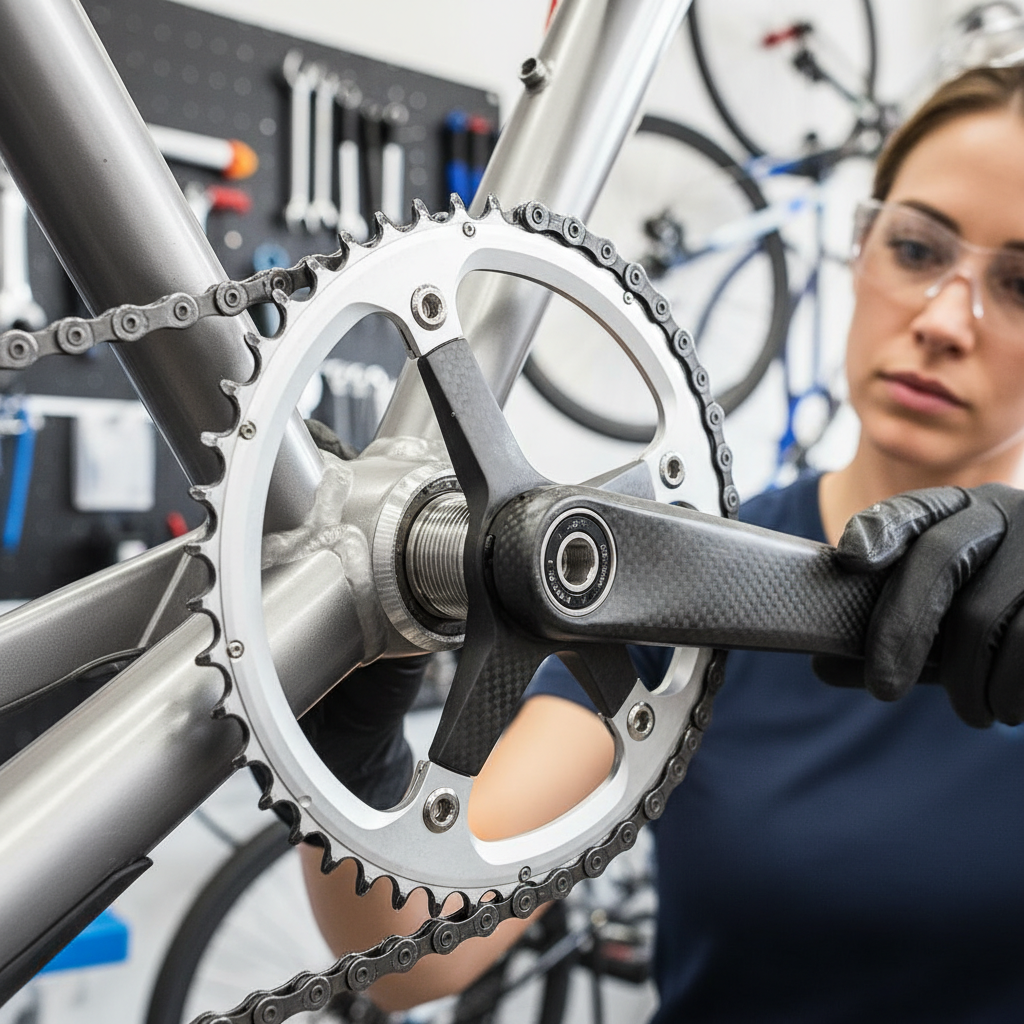
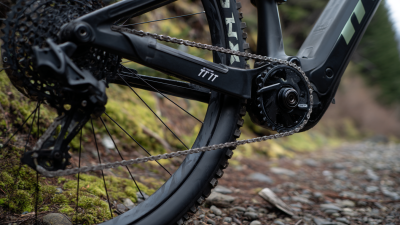
Bottom brackets are essential components in bicycle design, connecting the bike's frame to the crankset and allowing for smooth pedaling motion. There are several types of bottom brackets, each with distinct features that cater to various cycling needs. The most common types include square taper, external bearing, and press-fit bottom brackets, each offering unique advantages.
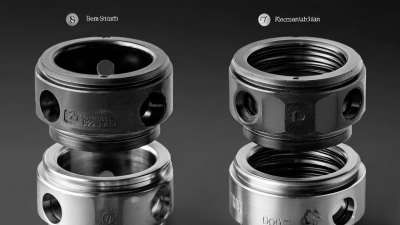
Square taper bottom brackets are traditional and widely used, offering simplicity and ease of maintenance. These are often preferred by casual riders or those looking for a reliable option without complex installation. In contrast, external bearing bottom brackets feature bearings located outside the frame, providing a wider stance for improved power transfer and efficiency. They are popular among performance cyclists and those seeking greater stiffness. Lastly, press-fit bottom brackets utilize a larger diameter shell and press-fit bearings, allowing for a lighter weight and more streamlined design. This system is favored by many modern bike manufacturers, thanks to its ease of assembly and reduced weight. Understanding these types can help cyclists make informed decisions when selecting the right bottom bracket for their bike.
Key Features to Consider When Selecting a Bottom Bracket
When selecting a bottom bracket for your bike, there are several key features to consider that can significantly impact your riding experience. One of the most vital factors is the type of bearing system. According to industry reports, sealed cartridge bearings are preferred for their durability and low maintenance, making them suitable for both casual and serious cyclists. Conversely, traditional loose ball bearings offer a smoother ride but require more frequent servicing.
Another important consideration is the compatibility with your bike frame and crankset. Bottom brackets come in various sizes and standards, such as BSA, PressFit, and BB30. Research shows that selecting the correct standard can enhance power transfer and overall performance. Furthermore, the material of the bottom bracket can also affect weight and stiffness; aluminum is commonly used for its balance of strength and weight, while steel provides longevity.
**Tips:** Always check your bike's specifications to select the right bottom bracket type. Investing in high-quality components can save you money in the long run due to reduced maintenance needs. Lastly, don’t overlook installation; proper setup can greatly influence your bike's efficiency and performance.
Bottom Bracket Types and Their Popularity
Comparing Shell Sizes: What You Need to Know
When it comes to choosing a bottom bracket for your bike, understanding shell sizes is critical. Bottom brackets come in various shell widths and diameters, which can affect your bike's performance, fit, and overall ride quality. The most common measurements include 68mm, 73mm, and the more modern 83mm for mountain bikes. According to a study by the Cycling Research Institute, the correct shell size can enhance pedaling efficiency by up to 18%, proving that this choice is not just a technical detail but a performance upgrade.
Tips for selecting the right shell size include measuring your bike's bottom bracket shell accurately and consulting compatibility charts provided by brands like Shimano and SRAM. Ensure the bottom bracket type matches your crankset’s specifications to avoid compatibility issues. Additionally, pay attention to the thread standards, such as BSA or Italian, which can greatly influence the installation process.
Choosing the right size might seem daunting, but there are tools and apps available that can simplify the process. Always prioritize quality over price, as investing a little more in a branded bottom bracket could yield better durability and a smoother ride. Remember that a well-fitted bottom bracket not only improves performance but also enhances your overall cycling experience.
What is a Bottom Bracket Bike? Understanding Types and Choosing the Best - Comparing Shell Sizes: What You Need to Know
| Bottom Bracket Type |
Shell Width (mm) |
Threading Standard |
Weight (grams) |
Installation Difficulty |
| BSA |
68/73 |
English Threaded |
120 |
Easy |
| BB30 |
68/73 |
Press Fit |
90 |
Moderate |
| PF30 |
68/73 |
Press Fit |
110 |
Moderate |
| ISI |
68/73 |
Italian Threaded |
130 |
Hard |
| DUB |
68/73/83 |
Press Fit & Threaded |
120 |
Moderate |
Top Brands and Their Bottom Bracket Offerings
When it comes to bottom brackets, several top brands have established their reputation by offering high-quality options to cater to various cycling needs.
Shimano, a leading name in the cycling industry, provides a range of bottom brackets that are known for their durability and performance consistency. Their Hollowtech II systems are especially popular among competitive cyclists, as they enhance power transfer and reduce weight.
According to a recent report by Cycling Weekly, Shimano holds approximately 40% of the global bottom bracket market, a testament to their trusted engineering and widespread usage among professional and amateur cyclists alike.
Another notable contender is SRAM, which has made significant strides with its GXP (Giga X Pipe) and DUB (Durable Unified Bottom Bracket) systems.
SRAM's innovations focus on easy installation and enhanced compatibility across various bike frames. A survey conducted by BikeRadar showed that nearly 25% of cyclists prefer SRAM products, highlighting their effectiveness in achieving a more seamless riding experience.
Additionally, brands like FSA and Chris King are gaining traction with their premium offerings, catering to high-end market segments, often emphasizing customizability and lightweight materials.
As the bottom bracket market evolves, these brands continue to push boundaries, ensuring that cyclists have the best options available to optimize their performance.
Tips for Installation and Maintenance of Bottom Brackets
Installing and maintaining a bottom bracket is crucial for the performance and longevity of your bike.
First, choose the right tools: a bottom bracket tool, a torque wrench, and grease are essential.
Begin by removing the cranks and the old bottom bracket. Clean the shell thoroughly to remove any debris or old grease.
When installing the new bottom bracket, apply a thin layer of grease to the threads and press it in tightly, ensuring that it is aligned properly.
Be cautious not to overtighten, as this could lead to damage. Always follow the manufacturer's specifications regarding torque.
Regular maintenance of the bottom bracket will keep it in optimal condition. Check for any play or movement by wiggling the cranks.
If there’s noticeable movement, it’s time to tighten or replace the bottom bracket. Additionally, periodically clean the area and ensure that the seals are intact to prevent dirt and moisture from entering.
If you ride in wet or harsh conditions, consider more frequent inspections. Keeping your bottom bracket well-maintained not only enhances your riding experience but also extends the life of your bike components.