In the world of cycling, understanding the various bottom bracket types is essential for any cyclist looking to optimize performance and enhance their riding experience. Bottom brackets are a critical component of a bicycle’s drivetrain system, serving as the interface between the crankset and the frame. According to the Cycling Industry Economic Impact Report, nearly 40% of cyclists prioritize bicycle components when seeking to upgrade their bikes, emphasizing the significance of parts like bottom brackets in improving efficiency and ride quality.
With advancements in technology and materials, the market for bottom bracket types has diversified. Recent statistics show that demand for different bottom bracket configurations has risen, with a notable increase in the popularity of threaded and press-fit designs. A comprehensive understanding of these variations not only aids in choosing the right bottom bracket for individual needs but also ensures compatibility with other components, ultimately contributing to a smoother and more efficient riding experience.
As you delve deeper into this ultimate guide, you will uncover the distinctions between each bottom bracket type, learn about their unique advantages, and discover how they can affect your cycling performance, whether you're a casual rider or a seasoned athlete.
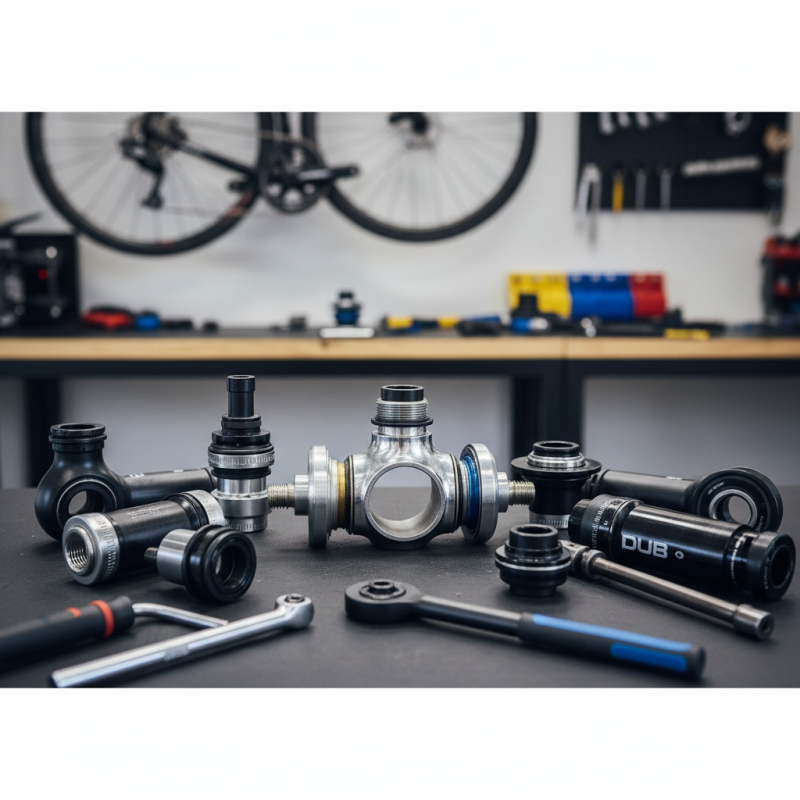
Understanding bottom brackets is essential for every cyclist, as they play a crucial role in the overall performance and efficiency of a bike. Bottom brackets serve as the connection between the bike frame and the crankset, allowing the pedals to rotate smoothly while providing stability. According to industry reports, approximately 60% of cyclists report that a properly selected and installed bottom bracket significantly enhances their riding experience, impacting power transfer and overall comfort. This highlights the importance of choosing the right type for your bike and riding style.
When selecting a bottom bracket, cyclists should consider factors like shell width, threading types, and bearing quality. There are primarily three types of bottom brackets: threaded, press-fit, and external. Each has its advantages and disadvantages, so understanding your bike’s specific requirements is vital. For example, threaded bottom brackets are known for their simplicity and ease of maintenance, while press-fit models often provide a lighter option for performance-focused bikes.
Tip: Always check the manufacturer’s specifications when replacing your bottom bracket to ensure compatibility with your frame and crankset. Additionally, investing in high-quality bearings can lead to better durability and performance, reducing the risk of future maintenance issues. Another helpful tip is to keep an eye on your bottom bracket for any signs of wear or play. Regular checks can prevent larger issues and prolong the life of your component.
When it comes to cycling, the bottom bracket is a critical component that facilitates pedal movement and frames the connection between the cranks and the bike frame. Understanding the various types of bottom brackets can significantly impact your cycling experience, helping you choose the right setup based on your riding style and bike geometry. The most common types include threaded, press-fit, and integrated bottom brackets, each offering distinct characteristics that cater to different needs.
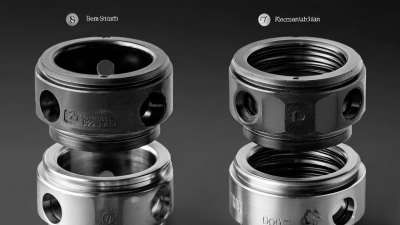
Threaded bottom brackets are traditionally seen in road and mountain bikes. They feature external or internal threading, allowing for easy installation and maintenance. This type is known for its durability and ease of replacement. Press-fit bottom brackets offer a more modern approach, using a wider shell and relying on friction to hold the bottom bracket in place. This design can enhance stiffness and power transfer, making it preferable for competitive cyclists. Integrated bottom brackets, on the other hand, are often found in high-end bikes, eliminating the shell altogether and combining the bearing directly into the frame. This option can save weight and improve aerodynamics, but it may complicate repairs and upgrades.
Each type of bottom bracket brings unique advantages and potential drawbacks, making it essential for cyclists to consider their specific requirements. Factors such as frame compatibility, bike usage, and personal preference play a vital role in selecting the most suitable bottom bracket for optimal performance.
This chart illustrates the different types of bottom brackets commonly used in cycling. Each type is represented with its common applications and popularity among cyclists.
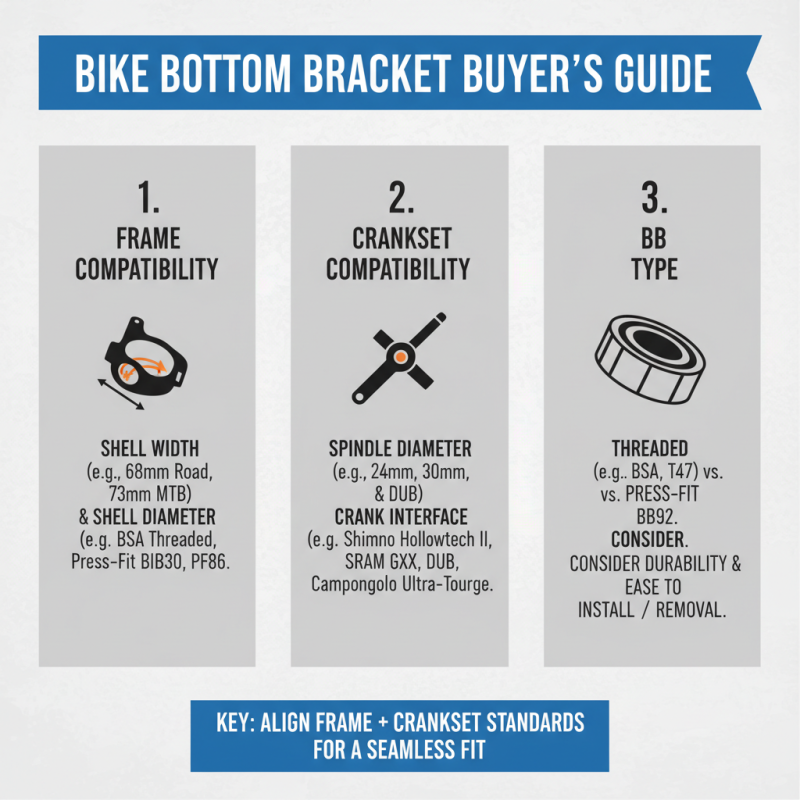
When selecting the right bottom bracket for your bike, compatibility is paramount. The bottom bracket acts as the interface between the bike frame and the crankset, meaning that it must align with both your frame's specifications and the crankset you intend to use. To make an informed choice, you need to consider the frame's shell width and diameter, which can vary significantly across different bike types. For example, road bikes often have narrower shells compared to mountain bikes, leading to different bottom bracket standards.
Additionally, understanding the threading or press-fit system used in your bike's frame is crucial. Some frames employ threaded bottom brackets, while others use press-fit systems that require different installation methods and tools. It’s essential to match the bottom bracket type to your bike's shell to ensure optimal performance, as a mismatch can lead to issues such as creaking noises or misaligned components. By thoroughly investigating the specifications of your bike and seeking out compatible bottom brackets, you will enhance your riding experience and maintain the integrity of your bike’s setup.
When it comes to bottom bracket installation and maintenance, the process can seem daunting, but with the right approach, it can be quite manageable. Begin by ensuring you have the correct tools for the type of bottom bracket you are working with, as different types have varying specifications. When installing, make sure to clean the frame's bottom bracket shell thoroughly to avoid any debris causing issues later on. Apply a suitable grease to the threads and inner surfaces to ensure a smooth installation. Align the bottom bracket properly and tighten it to the manufacturer's specifications to prevent any loosening during rides.
Regular maintenance is crucial for the longevity and performance of your bottom bracket. It is advisable to inspect the bottom bracket periodically for any signs of wear or damage. Listen for unusual noises while pedaling, as these can indicate that the bearings need attention. Depending on the type of bottom bracket, you may need to clean and re-grease the bearings or replace them entirely. Always check the torque settings after installation and maintain a routine to keep everything in optimal condition, ensuring that your cycling experience remains smooth and enjoyable.
| Bottom Bracket Type | Shell Width | Spindle Type | Installation Method | Maintenance Tips |
|---|---|---|---|---|
| BSA (British) | 68mm / 73mm | Square Taper | Screw-in | Regularly check for play and lubricate threads. |
| BB30 | 68mm / 73mm |
Troubleshooting Common Bottom Bracket IssuesWhen it comes to maintaining a smooth ride, the bottom bracket plays a crucial role in your bicycle's overall performance. However, cyclists often encounter common issues that can disrupt their ride quality. One of the first signs of trouble is a creaking noise while pedaling, which can indicate that the bottom bracket is loose or worn. To troubleshoot this issue, start by checking the tightness of the bottom bracket. If it's loose, simply retightening it might resolve the problem. If the creaking persists, it may be a sign of wear, and replacement might be necessary. Another frequent problem is the feeling of resistance or a grinding noise during pedaling. This often signals that the bearings within the bottom bracket have become dirty or damaged. A proper inspection and cleaning of the bearings can sometimes rectify this problem. However, if the bearings are excessively worn or rusted, replacing the bottom bracket becomes essential. Regular maintenance, such as cleaning and lubricating the bottom bracket area, can help prolong its lifespan and enhance your cycling experience. Keeping an eye on these common issues will ensure that your bike remains in top condition, allowing you to enjoy the road ahead trouble-free. FAQS
: What is the purpose of a bottom bracket in a bicycle?
: The bottom bracket connects the bike frame to the crankset, allowing the pedals to rotate smoothly and providing stability, which impacts overall performance and riding comfort.
What factors should cyclists consider when selecting a bottom bracket?
Cyclists should consider shell width, threading types, and bearing quality to ensure compatibility with their bike and to match their riding style.
What are the main types of bottom brackets available?
The main types of bottom brackets are threaded, press-fit, and integrated, each with its own advantages and disadvantages suitable for different cycling needs.
What are the benefits of using a threaded bottom bracket?
Threaded bottom brackets are known for their simplicity, ease of maintenance, and durability, making them a popular choice for road and mountain bikes.
How can proper installation impact the performance of a bottom bracket?
Proper installation ensures the bottom bracket is aligned and tightened according to specifications, which prevents loosening during rides and maintains optimal performance.
What maintenance tips can help prolong the life of a bottom bracket?
Regularly inspect for wear or damage, listen for unusual noises, clean and re-grease bearings, and check torque settings to maintain optimal condition.
How often should cyclists check their bottom bracket for signs of wear?
Cyclists should perform periodic checks, especially if they notice unusual noises or changes in performance, to prevent larger issues from developing.
What is the advantage of a press-fit bottom bracket?
Press-fit bottom brackets can enhance stiffness and power transfer, making them a preferred option for competitive cyclists, despite being more modern and requiring specific installation techniques.
What might be a drawback of using an integrated bottom bracket?
While integrated bottom brackets can save weight and improve aerodynamics, they complicate repairs and upgrades due to the absence of a removable shell.
Why is it important to use high-quality bearings in a bottom bracket?
Investing in high-quality bearings improves durability and performance, which can reduce the likelihood of future maintenance issues and enhance the overall cycling experience. ConclusionThe "Ultimate Guide to Bottom Bracket Types for Every Cyclist" provides a thorough exploration of various bottom bracket types essential for cycling enthusiasts. It begins with a foundational overview, emphasizing the significance of bottom brackets in bicycle performance and function. Subsequently, the guide breaks down the different types of bottom brackets, detailing their unique characteristics and how they cater to various cycling needs. Related Posts
|
This website uses cookies to ensure you get the best experience possible. Learn more.