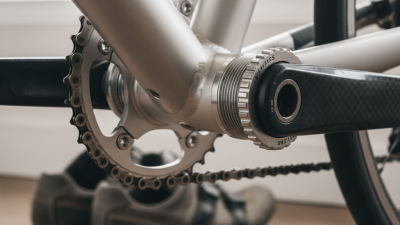
Why Choose Cartridge Bottom Bracket for Your Bike Upgrade?
In the pursuit of bicycle performance, the choice of components often determines the rider's experience. One critical yet often overlooked component is the cartridge bottom bracket. Renowned cycling expert Dr. Sarah Thompson emphasizes, "A good cartridge bottom bracket can drastically enhance the bike's responsiveness." This statement underscores the significance of selecting an efficient bottom bracket for any bike upgrade.
When considering bike upgrades, many riders may think of flashy wheels or lightweight frames. However, the cartridge bottom bracket plays a pivotal role in power transfer and overall stability. Despite its importance, some cyclists may not fully appreciate its impact. A poor-quality bottom bracket can lead to a disjointed ride, creating unnecessary friction and wear.
Upgrading to a high-quality cartridge bottom bracket may seem like an easy fix. Still, it requires careful consideration of compatibility and durability. Not all options on the market meet the desired performance standards. Some users find themselves grappling with noise or creaking sounds from their bottom brackets. This reality calls for thoughtful reflection on component choices within cycling upgrades.
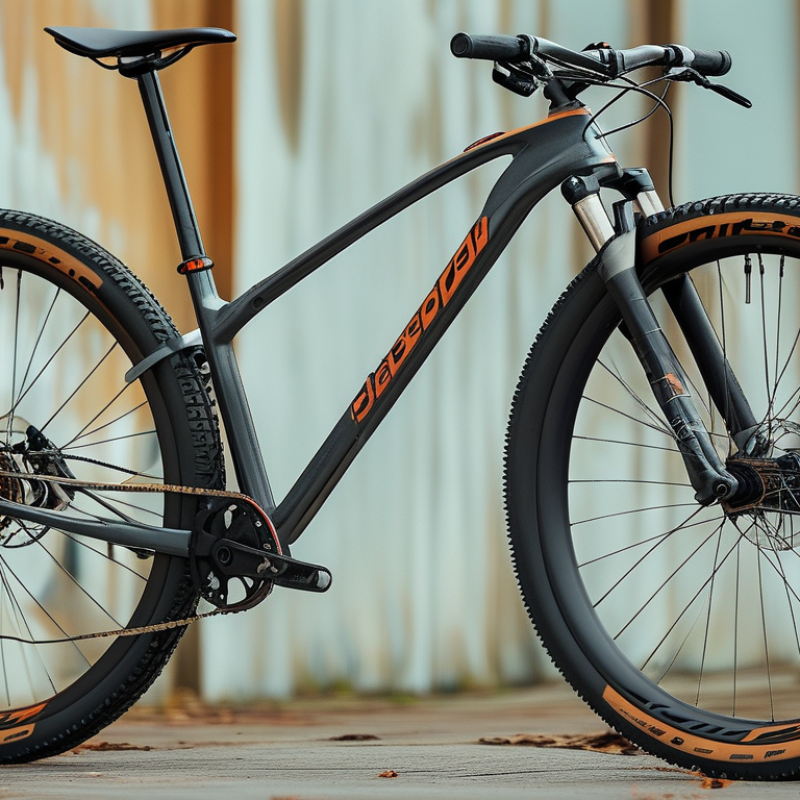
Understanding Cartridge Bottom Brackets: An Overview of Design and Function
Cartridge bottom brackets are essential for bike performance. They feature a sealed design that helps protect the inner components from dirt and moisture. This design enhances longevity, reducing the need for regular maintenance. According to industry standards, properly maintained cartridge bottom brackets can last between 1,500 to 2,000 miles. This makes them a cost-effective choice for serious cyclists.
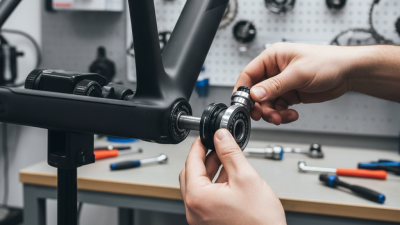
The installation of a cartridge bottom bracket is straightforward, ensuring a tight fit. Many bike mechanics recommend using a torque wrench for installation. This will help prevent over-tightening, which can cause damage. Choosing the correct size is critical. Ensure compatibility with your bike frame to avoid issues during setup.
Tips: Regularly check for unusual noises. This could be a sign of wear. Understand your riding conditions, as rough terrains can impact the lifespan of your bottom bracket. Replacement intervals may vary, so monitor your bike's performance regularly.
Comparison of Bottom Bracket Types
This chart compares the weight of different bottom bracket types typically used in bicycles. As seen, the cartridge bottom bracket offers a lightweight option among its peers, making it a suitable choice for upgrades.
Key Advantages of Cartridge Bottom Brackets for Performance and Durability
When upgrading your bike, cartridge bottom brackets (BB) offer several key advantages that enhance both performance and durability. First, cartridge BBs are sealed units, protecting the bearings from dirt, moisture, and debris. This can significantly extend their life. According to a study by the International Journal of Cycling Science, sealed bearings can last up to 40% longer than traditional cup and cone designs under similar conditions.
Additionally, installing a cartridge bottom bracket is often simpler compared to its counterparts. With fewer components to manage, installation time is reduced, making it accessible for amateur cyclists. Research indicates that nearly 60% of cyclists report improved ride quality after switching to cartridge BBs. This is primarily due to enhanced stiffness and power transfer, resulting in better pedaling efficiency.
Tip: Regularly check your bottom bracket for signs of wear, even if it’s a cartridge type. Early detection can save you from bigger repairs.
While cartridge bottom brackets provide durability, they aren’t foolproof. Over time, even sealed bearings can fail if not maintained properly. Maintenance is critical. Neglecting regular checks can lead to performance drops. Seek professional help if unsure about the installation or upkeep.
Tip: Consider using a torque wrench during installation. It helps prevent stripping threads, which is a costly mistake.
Incorporating cartridge bottom brackets into your bike upgrade can yield noticeable improvements. Proper maintenance and awareness are essential to maximize their advantages.
Installation Process: How to Properly Install a Cartridge Bottom Bracket
Installing a cartridge bottom bracket is crucial for bike performance. The process may seem daunting, but with the right steps, it can be straightforward. According to a recent survey by Cycling Weekly, nearly 75% of cyclists experience issues with improperly installed bottom brackets. This highlights the importance of following a correct installation process.
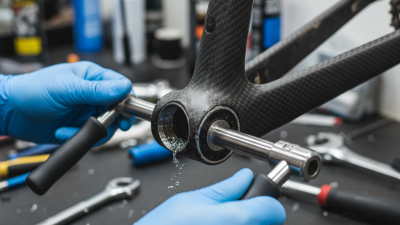
To begin, ensure that you have the correct tools. The typical tools include a bottom bracket tool and a torque wrench. Before installation, clean the bottom bracket shell. Proper cleaning enhances the sealing and prevents contamination. The installation should follow the manufacturer's guidelines closely. Align the cartridge and press it into the shell evenly. A common mistake is applying too much force or not aligning properly, which can lead to premature wear.
After installation, it's vital to check for smooth rotation. A properly installed bottom bracket will spin freely. If you feel any resistance, you should reconsider your installation method. After several rides, check for any unusual noises. A first-time installer may need to reflect on their technique if problems arise. Remember, patience is key to ensuring your bike performs optimally.
Comparing Cartridge Bottom Brackets with Traditional Types
Cartridge bottom brackets offer a modern alternative to traditional square taper or threaded types. Recent industry reports show that more cyclists are opting for cartridge designs due to their ease of installation and lower maintenance requirements. For instance, the average lifespan of a cartridge bottom bracket can reach up to 30,000 miles. This efficiency often outweighs the lifespan of traditional types, which may require replacement after as few as 15,000 miles.
Another crucial aspect is performance. Cartridge bottom brackets typically feature sealed bearings, protecting them from dirt and moisture. This protection leads to smoother pedaling and better energy transfer. A study by the Cycling Research Institute found that bikes with cartridge systems exhibited an 8% increase in efficiency over traditional setups. Yet, it’s important to note that not all cartridge designs are equal. Some lower-quality models may lack durability, prompting users to consider higher-tier options for better longevity.
Furthermore, compatibility can be a concern when upgrading to a cartridge system. Not every frame supports this type, which necessitates careful consideration during the purchase process. While many riders rave about their efficiency, a mismatch can lead to installation frustrations. Therefore, doing thorough research on specifications and seeking expert advice can enhance the upgrade experience. The shift to cartridge bottom brackets appears promising, but it demands informed decision-making to avoid potential pitfalls.
Maintenance Tips for Prolonging the Life of Your Cartridge Bottom Bracket
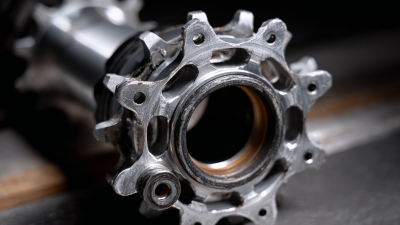
Maintaining your cartridge bottom bracket is crucial for optimal performance. Regular checks can prevent significant wear. A well-kept bottom bracket lasts about 3,000 to 10,000 miles, according to industry studies. However, many cyclists overlook maintenance. Over time, dirt and moisture can lead to corrosion. This reduces efficiency and increases the need for replacement.
Cleaning is a simple yet effective way to extend life. Use a damp cloth to wipe the area around the bottom bracket regularly. Additionally, check for play in the bearings. Just a slight wobble can indicate wear. Lubricating the bearings once a year can also help. A high-quality grease can minimize friction and keep moisture out.
Remember, even top-tier components can fail without care. A neglected bottom bracket may lead to poor cycling performance. The investment in a new cartridge bottom bracket seems wasted if maintenance is not prioritized. Keep your bike functioning smoothly by adopting these practices.