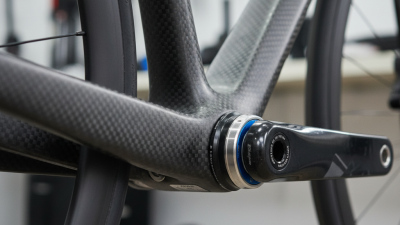
Why Choose a Press Fit Bottom Bracket for Your Bike?
In the world of cycling, choosing the right components can make a significant difference in performance. The press fit bottom bracket has emerged as a popular choice among cyclists due to its unique design and benefits. According to industry expert Dr. Emma Carter, "The press fit bottom bracket provides better stability and reduces weight without compromising strength." Many cyclists turn to this option for improved efficiency during rides.
One notable advantage of the press fit bottom bracket is its lightweight nature. This design minimizes bulk while maintaining durability. Additionally, it allows for better frame geometry, which can enhance the overall riding experience. Yet, not everyone is a fan. Some riders have faced challenges with installation and maintenance. It’s important to weigh these factors when considering a press fit bottom bracket.
Riders must also be conscious of compatibility. Ensure that your frame supports this type of bottom bracket. Misalignment can lead to performance issues. Therefore, understanding your bike's specifications is crucial. Ultimately, the decision to choose a press fit bottom bracket should involve careful consideration of both its advantages and potential downsides. Cycling enthusiasts should approach this choice with a balanced perspective.
Understanding Press Fit Bottom Brackets: Key Features and Benefits
When considering a press fit bottom bracket, it’s essential to understand its key features and benefits. A press fit bottom bracket is designed to fit directly into the frame, creating an interference fit. This eliminates the need for threaded cups, simplifying the installation process. According to industry studies, press fit systems can save approximately 20-30 grams compared to traditional threaded designs. The reduced weight can make a significant difference in overall bike performance.
The stiffness of press fit bottom brackets is another notable advantage. Research indicates that these systems provide superior stiffness, enhancing power transfer. A stiffer bottom bracket can improve efficiency by up to 7%, making every pedal stroke more effective. However, some riders have reported creaking noises as a common issue. Proper installation and regular maintenance can help mitigate these concerns, yet this requires an understanding of how best to care for the component.
Moreover, the compatibility of press fit bottom brackets with various frame designs is worth noting. They offer flexibility, allowing for wider shell designs and accommodating larger cranksets. This adaptability is valuable in modern bike design. Nevertheless, some cyclists prefer the simplicity of threaded systems for ease of maintenance, highlighting a tension between options. Balancing weight, stiffness, and maintenance can influence your choice. Make an informed decision based on your specific cycling needs and preferences.
Why Choose a Press Fit Bottom Bracket for Your Bike?
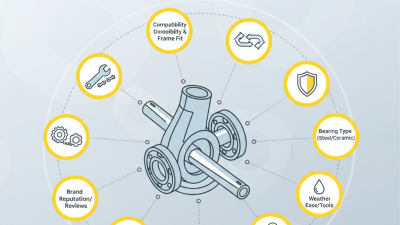
This chart illustrates the key features of press fit bottom brackets rated on a scale from 1 to 10. As seen, installation ease and weight are highlighted as significant benefits, indicating the appeal of these components for cyclists seeking efficiency and performance in their rides.
Comparing Press Fit Bottom Brackets to Traditional Threaded Options
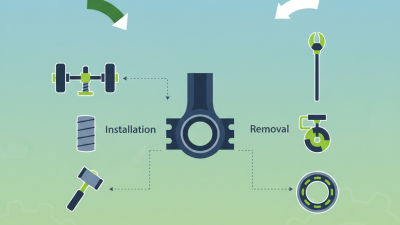
When it comes to bottom brackets, the choice between press fit and traditional threaded options can significantly impact your ride quality. Press fit bottom brackets offer lighter weights and increased stiffness, which leads to better power transfer. Without threads, these designs reduce potential points of failure. However, they may present challenges in installation and removal.
One important aspect to consider is alignment. Precision in fitting is crucial to avoid creaking sounds during rides. Proper tools are essential for a successful installation. An improperly installed press fit can lead to frustrating issues later.
Tips: Always ensure the frame and bottom bracket shell are clean before fitting. This will help in achieving a secure connection. Regular maintenance checks will keep performance optimal. If you start to hear noises, inspect for wear and tear.
Press fit options can also present issues with frame compatibility. Not all frames work well with these brackets. So, understanding your bike's specifications is key. This will help you avoid compatibility mismatches that could arise.
Why Choose a Press Fit Bottom Bracket for Your Bike? - Comparing Press Fit Bottom Brackets to Traditional Threaded Options
| Feature |
Press Fit Bottom Bracket |
Traditional Threaded Bottom Bracket |
| Installation |
Requires specialized tools, but no threads |
Standard tools, easy to install |
| Weight |
Generally lighter due to minimal material |
Typically heavier due to threading |
| Stiffness |
More rigid, reduces flex |
Some flex possible during use |
| Maintenance |
Less frequent adjustments needed |
May require more frequent maintenance |
| Compatibility |
Varied, depends on frame design |
More universally compatible with older frames |
| Durability |
Less chance of wear from threading |
Threads may wear out over time |
Installation Process: How to Properly Fit a Press Fit Bottom Bracket
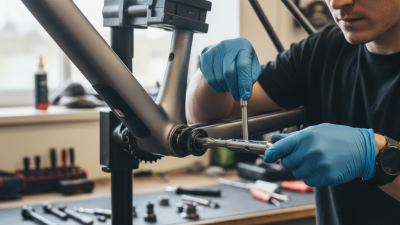
Installing a press fit bottom bracket can seem daunting, but with the right approach, it can be a straightforward process. Begin by ensuring you have the necessary tools: a bottom bracket press tool, a torque wrench, and possibly some grease.
Proper preparation is key. Clean the frame’s shell thoroughly. Any debris or residue can lead to misalignment later, which compromises performance.
Once your frame is clean, apply a light layer of grease to the outer edges of the bottom bracket. This aids in installation and protects against corrosion. Align the bottom bracket with the frame shell carefully. Take your time here; precision matters. Use the press tool to gently insert the bracket. Keep the pressure even to ensure a snug fit. It's crucial to monitor your movements closely. If you notice any resistance, stop. Failing to do so might damage the frame or the bottom bracket itself.
After the bottom bracket is installed, check for smooth rotation. It’s essential. If you encounter any grinding noises, reassess your work. Reflect on the installation process you followed. Did you clean the shell thoroughly? Was the alignment precise? These small details can make a significant difference. The goal is to achieve a seamless integration that enhances your bike’s performance.
Common Issues and Solutions for Press Fit Bottom Brackets
Press fit bottom brackets are a popular choice among cyclists for several reasons. However, they come with their own set of issues. One common problem is creaking noises during pedaling. This typically results from insufficient installation pressure or dirt accumulation. Regular maintenance can help. Checking the fit and ensuring proper lubrication often resolves these distractions.
Another issue to consider is bearing wear. Over time, press fit bearings might degrade faster than threaded options. Factors like moisture intrusion and lack of maintenance contribute to this. Replacing bearings is crucial for longevity. It's wise to monitor their condition and replace them at the first sign of trouble. These issues remind us that even high-performance components require attention.
Finally, alignment plays a significant role in performance. Misalignment can lead to uneven wear and affect your ride quality. Using a proper installation tool can make a difference. If you're unsure, consulting a professional can save you headaches in the long run. Engaging with knowledgeable bike shops can provide insights into preventative measures. Addressing these common problems not only improves your bike's performance but enhances your overall riding experience.
Choosing the Right Press Fit Bottom Bracket for Your Bike Frame
When selecting a press fit bottom bracket for your bike frame, compatibility is key. Different bike frames come with varying specifications for bottom bracket sizes. It is essential to check your frame's requirements before making a choice. A mismatched bottom bracket can lead to difficulties in installation and performance issues. That can be frustrating and may require additional tools or adjustments.
Another aspect to consider is the material of the bottom bracket. Aluminum and carbon fiber options provide distinct characteristics. Aluminum is durable and lightweight, while carbon fiber can offer a more rigid feel. Each material has its pros and cons. Think about how you plan to use your bike. Casual rides might benefit from one type, while racing might demand another.
Lastly, installation can be a challenge. You may find that press fit systems require precise alignment. Misalignment can lead to noise or decreased performance. It’s crucial to review installation instructions carefully. Some experienced cyclists recommend seeking professional help for a flawless fit. Even seasoned cyclists sometimes encounter issues. Reflecting on these challenges can lead to a better understanding of your bike’s needs.