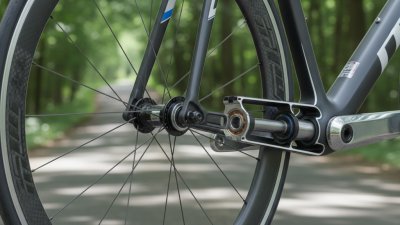
How to Choose the Right Wheels and Bottom Bracket for Your Bike?
Choosing the right wheels and bottom bracket for your bike can greatly influence your cycling experience. Industry reports indicate that optimal wheels can enhance performance by up to 15%. The bottom bracket, too, plays a crucial role in power transfer, impacting speed and efficiency.
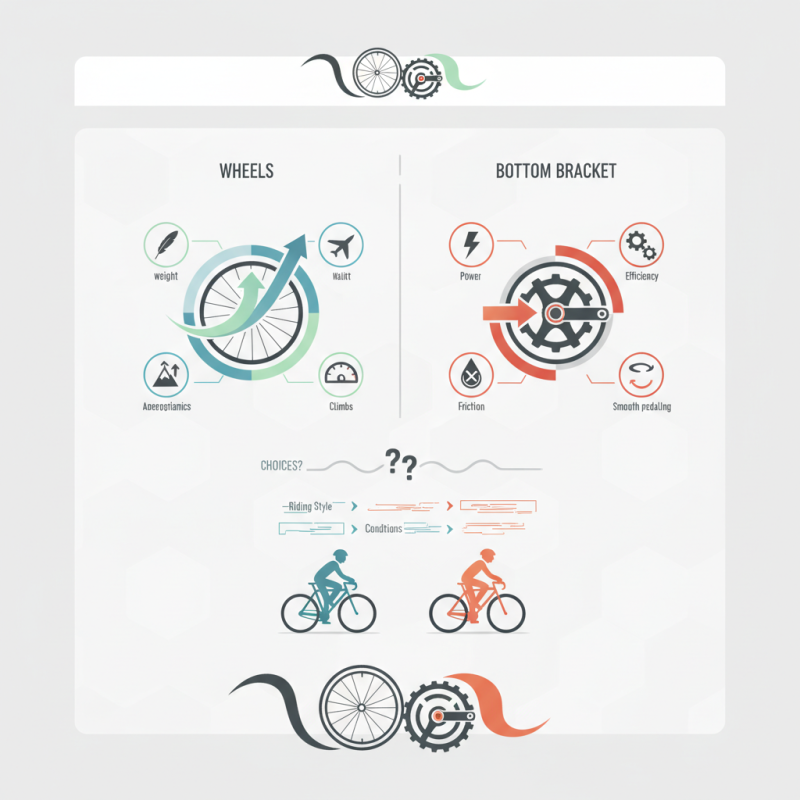
Wheels and bottom brackets make a significant difference. Many cyclists fail to realize the impact of weight and aerodynamics. A lighter wheelset can save energy during climbs. A quality bottom bracket minimizes friction, ensuring smooth pedaling. These components deserve careful consideration.
Yet, the choices can overwhelm. Hundreds of options exist, each promising different benefits. It’s easy to get lost in the technical jargon. Not every cyclist needs high-end wheels or a premium bottom bracket. Reflect on your riding style. Consider the conditions you frequently face. Ultimately, the right combo of wheels and bottom bracket shapes your ride.
Understanding Different Types of Bicycle Wheels and Their Benefits
When selecting bike wheels, understanding their various types is crucial. Different wheel designs impact performance. For instance, deep-section wheels improve aerodynamics but can be less stable in crosswinds. On the other hand, shallow wheels offer better handling, making them ideal for climbing.
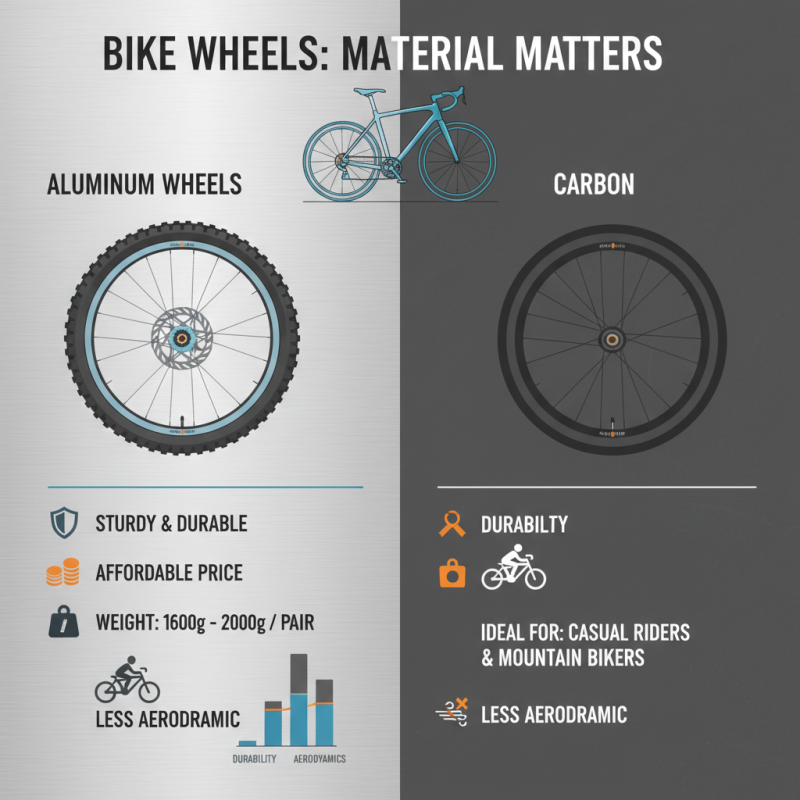
When considering material, aluminum wheels are durable and affordable. Carbon fiber wheels are lighter but come at a higher cost. Choose based on your riding style and budget. A well-balanced choice often leads to better comfort during rides.
Tips: Always test wheels before purchasing. Look for demo days at local bike shops. Try various types to see what feels best. Keep in mind, heavier wheels may slow you down. Reflect on your needs as a cyclist. Make sure to consider the terrain and distances you usually cover.
How to Choose the Right Wheels and Bottom Bracket for Your Bike?
| Wheel Type |
Rim Material |
Weight (g) |
Benefits |
| Road Wheels |
Carbon Fiber |
1500 |
Lightweight, aerodynamic, responsive handling |
| Mountain Bike Wheels |
Aluminum |
1900 |
Durable, good shock absorption, wider tires |
| Hybrid Wheels |
Aluminum |
1700 |
Versatile, suitable for various terrains, comfortable ride |
| Touring Wheels |
Steel |
2000 |
Sturdy, able to carry heavy loads, stable at high speeds |
| Bottom Bracket Type |
Shell Width (mm) |
Weight (g) |
Benefits |
| BSA Threaded |
68 |
100 |
Easy to replace, compatible with many frames |
| Press-Fit |
86.5 |
90 |
Stiffer, no threading, lighter |
| Italian Threaded |
70 |
110 |
Classic design, good for high-performance bikes |
| BB30 |
73 |
85 |
Big bearings, lightweight, stiff |
Key Factors to Consider When Choosing Wheel Size for Your Bike
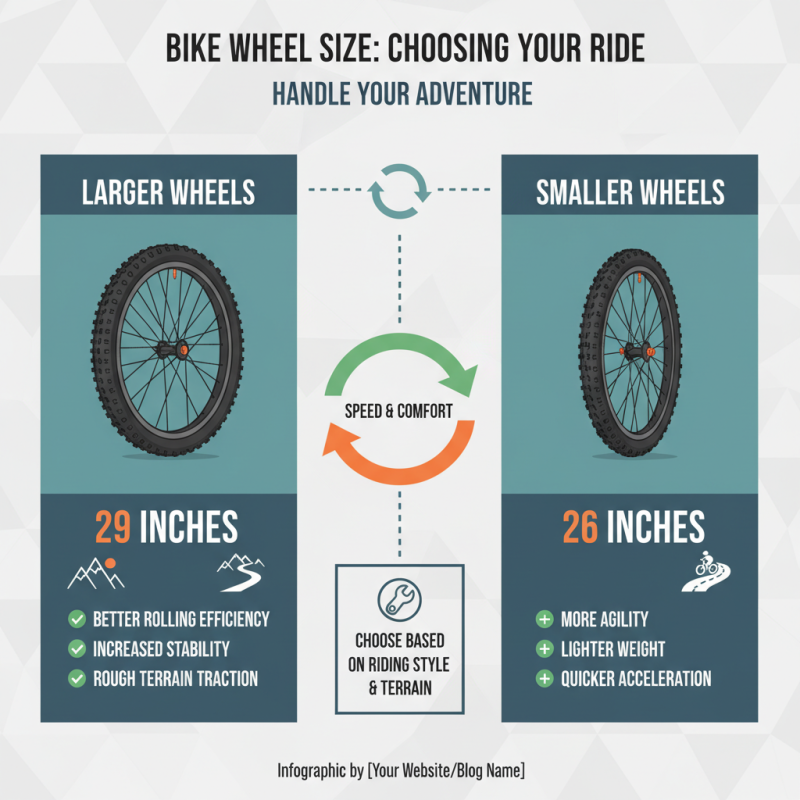
Choosing the right wheel size is crucial for your biking experience. It influences handling, speed, and comfort. Understanding the relationship between wheel size and your biking style is essential. Research indicates that cyclists often prefer larger wheels for better rolling efficiency. For instance, 29-inch wheels provide increased stability and traction on rough terrain. Meanwhile, smaller wheels, like 26 inches, offer more agility and are lighter.
When selecting wheels, consider your body type and riding style. A heavier rider might benefit from wider wheels for improved stability. Conversely, lighter riders could find narrower options more efficient. The tire pressure also plays a role. According to industry data, maintaining the recommended tire pressure enhances performance and safety.
Tips: Always test ride different setups. Feel the difference in handling with various wheel sizes. It’s not one-size-fits-all. Remember to reflect on your riding conditions too. If you frequently ride on varied terrains, adjustable setups may serve you better. Be open to changing your choice as you gain experience. Every ride informs your preferences and needs.
Exploring Material Options for Bike Wheels: Aluminum vs. Carbon Fiber
When it comes to choosing wheels for your bike, material plays a crucial role. Aluminum and carbon fiber are the two main options. Aluminum wheels are known for their sturdiness and affordable price. They typically weigh between 1600g to 2000g per pair. This makes them a favorite among casual riders and mountain bikers. However, they may not always provide the same aerodynamics as carbon.
On the other hand, carbon fiber wheels excel at performance. They can be 20% lighter than aluminum, often weighing under 1500g. This lightness translates to improved agility and speed. A report from cycling research indicates that high-end carbon wheels can save up to 2 minutes over a 40 km ride compared to aluminum. Despite this, carbon wheels can be more vulnerable to impacts. Even small cracks can lead to serious safety issues. Riders must weigh the benefits against potential risks.
Choosing between aluminum and carbon fiber involves personal priorities. If durability and cost are paramount, aluminum may be the way to go. Conversely, if you're seeking maximum speed and performance, carbon may be worth the investment. Reflecting on your riding style can help clarify your choice.
What to Look for in a Bike Bottom Bracket: Standards and Compatibility
Choosing the right bottom bracket for your bike can feel overwhelming. There are many standards to consider. Compatibility is key. Different frame types may use various bottom bracket styles, like threaded or press-fit. Knowing your bike's specifications is essential.
Look at the shell width and diameter. Common sizes are 68mm and 73mm. Measure your bike to avoid mistakes. Each standard has specific dimensions. Mismatched sizes lead to poor performance. Additionally, check the spindle length. It influences crank arm positioning and chainline. A wrong spindle can affect shifting.
Some components may not play well together. For example, certain cranks fit only specific bottom brackets. Ensure they are compatible before buying. This simplicity in matching parts can save future headaches. Pay attention to installation. Proper alignment can avoid bottom bracket creaking. A little patience can go a long way in improving your ride.
How to Choose the Right Wheels and Bottom Bracket for Your Bike
This chart displays the compatibility of different bottom bracket standards with various wheel sizes. Understanding these relationships can help ensure that you select the appropriate components for your bike.
Impact of Wheel and Bottom Bracket Selection on Bike Performance Metrics
Choosing the right wheels and bottom bracket is vital for your bike's performance.
Wheels impact speed, handling, and comfort. A lighter wheel can enhance acceleration.
However, lighter doesn’t always mean better. Consider the terrain you ride on.
Heavier wheels may be beneficial for rough trails but can slow you down on smooth roads.
The bottom bracket also plays a critical role. It connects the crankset to the frame.
A smooth bottom bracket allows for easier pedaling.
However, some might prioritize durability over smoothness.
Reflect on what matters most for your rides.
Tips:
A good wheelset can cost a bit more. Invest wisely.
Test different setups before committing.
Sometimes, the best choice is personal.
Listen to your bike. Notice any changes in performance after upgrades. This feedback is crucial.