2026 How to Choose a Ceramic Bearing Bottom Bracket for Your Bike?
Choosing the right ceramic bearing bottom bracket for your bike can greatly impact your performance. Many cyclists overlook this crucial component. Yet, understanding its benefits can enhance both speed and efficiency.
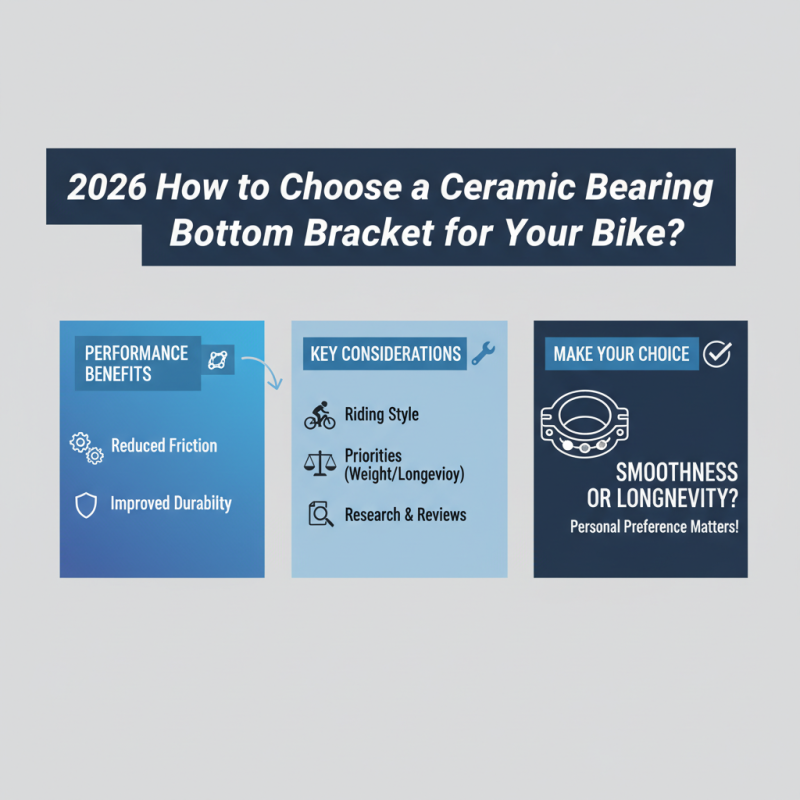
Ceramic bearing bottom brackets are known for reduced friction and improved durability. They offer a smoother ride, which is essential for competitive cyclists. However, choosing the wrong model can lead to disappointment. Not all ceramic bottom brackets are equal. Different brands and designs have unique features that may suit or hinder your cycling experience.
Consider your riding style and needs. Some riders prioritize weight, while others seek durability. It’s important to research various options. Reviews can provide valuable insights, but be cautious of bias. Reflect on what matters most to you—whether it's smoothness or longevity. As you explore your choices, remember that personal preference plays a significant role in your satisfaction with a ceramic bearing bottom bracket.
Understanding the Benefits of Ceramic Bearings in Bike Brackets
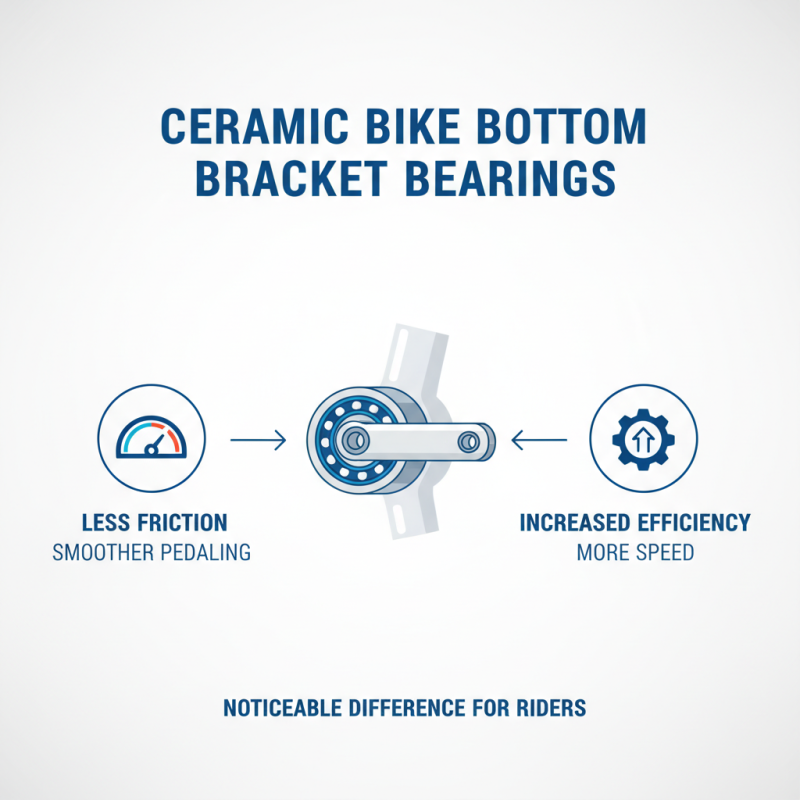
Ceramic bearings are becoming popular in bike bottom brackets. They offer several advantages over traditional steel bearings. First, they reduce friction. This leads to smoother pedaling and increased efficiency. Riders often feel a noticeable difference.
Ceramic materials are lightweight. They can improve the overall performance of your bike. However, they are also more expensive. It's essential to weigh the benefits against the cost. Not every cyclist may need such high-end components.
Tips: Consider your riding style before upgrading. If you race, ceramic bearings might provide an edge. For casual rides, traditional bearings may suffice. Another thought is installation—ensure it's done correctly to prevent issues down the line. Regular maintenance is key, as even ceramic bearings can wear out.
Key Specifications to Consider When Choosing a Ceramic Bearing BB
When selecting a ceramic bearing bottom bracket for your bike, several key specifications matter. Firstly, consider the dimensions. A compatible bottom bracket must fit your bike’s frame. Measure shell width and diameter carefully. These dimensions ensure a seamless installation and enhance performance.
Next, think about the bearing quality. Ceramic bearings offer lower friction and longer life. However, not all ceramic bearings are equal. Look for high-grade materials and precise manufacturing. This can prevent early wear and poor performance, which can be frustrating during rides.
Also, pay attention to sealing. Good seals protect the bearings from dirt and moisture. A well-sealed bottom bracket can withstand diverse weather conditions. Yet, over time, even the best seals may wear. Regular checks are necessary. Noticing wear can help you avoid sudden failures on a long ride. Make sure to balance quality and budget. Sometimes, a cheaper option may work just as well. Reflect on what matters most for your cycling style.
2026 How to Choose a Ceramic Bearing Bottom Bracket for Your Bike? - Key Specifications to Consider When Choosing a Ceramic Bearing BB
| Specification |
Description |
Importance |
| Bearing Material |
Ceramic bearings are lighter and have lower friction than steel. |
High |
| BB Shell Width |
Common widths include 68mm, 73mm, and 83mm; ensures compatibility with frame. |
Medium |
| Spindle Diameter |
Standard sizes are 24mm and 30mm; affects crankset compatibility. |
High |
| Weight |
Consider lighter options for enhanced performance and climbing. |
Medium |
| Sealing Type |
Make sure the BB has effective sealing to protect against dirt and moisture. |
High |
| Price |
Ceramic bearings often come at a premium price; consider your budget. |
Medium |
Comparing Ceramic Bearings to Traditional Materials: Performance Insights
Ceramic bearings have garnered attention in the cycling community for their potential advantages over traditional steel counterparts. A study from the Cycling Performance Institute reveals that ceramic bearings can reduce friction by up to 33%. This decrease in resistance translates to faster speeds and improved efficiency. Cyclists may find that less energy is wasted during pedaling, enhancing their overall performance on the road.
However, the transition to ceramic bearings isn't without its drawbacks. Ceramic materials can be more brittle than steel, leading to concerns about durability in rough conditions. Some riders report issues with chipping or damage under stress. It’s crucial to weigh these risks against the performance benefits. Furthermore, the initial investment for ceramic bearings is often higher, which can deter budget-conscious cyclists from making the leap.
Additionally, ceramic bearings may require more meticulous maintenance compared to traditional ones. While they are resistant to corrosion, dirt can still accumulate. Inaccurate installation can lead to misalignment and compromise their intended benefits. Thus, thorough research and reflection on personal cycling habits are essential when considering the switch to ceramic bottom brackets.
Installation and Maintenance Tips for Ceramic Bearing Bottom Brackets
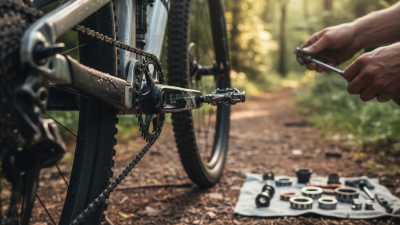
When considering ceramic bearing bottom brackets, installation is key. Proper setup affects performance significantly. Before you start, ensure you have the right tools. A torque wrench is essential for accuracy. This helps avoid over-tightening, which can cause damage.
For optimal results, clean the frame's shell thoroughly. Any debris can hinder the installation. According to a recent study, improper alignment can lead to a 15% drop in performance. Tightening the retaining rings correctly prevents unwanted movement. Use a torque setting of 35-50 Nm, based on manufacturer recommendations.
Maintenance is another aspect not to overlook. Regular checks can extend the lifespan of your bottom bracket. Look for signs of wear, like unusual sounds or stiffness. Replacing seals can help keep contaminants at bay. Remember, lubrication is crucial, but don’t overdo it. A small amount suffices. This helps maintain smoothness while minimizing drag. These routine steps can save you from costly replacements down the line. Always reflect on your bike's performance. Adjust as needed.
Analyzing Cost vs. Performance: Is a Ceramic BB Worth the Investment?
Ceramic bearings have become popular among cycling enthusiasts. Many believe they offer superior performance. However, the cost can be a significant factor. Reports show that ceramic bottom brackets can cost three to five times more than standard options. This price difference raises the question: are they worth it?
Performance metrics highlight both sides. A study showed that ceramic bearings reduce friction by up to 40% compared to steel. This can result in smoother pedaling. For competitive cyclists, this efficiency may translate to faster times. Yet, the gains in everyday riding are often marginal. Recreational cyclists may not notice a significant difference.
Longevity is another aspect to consider. Ceramic bearings typically outlast their steel counterparts. Research indicates they can last 2–3 times longer under certain conditions. Yet, they can be prone to damage from mishandling. Regular maintenance is still crucial. Investing in ceramic bearings requires weighing the potential performance gains against the cost.