Top 10 Tips for Choosing the Perfect Cartridge Bottom Bracket for Your Bike
When it comes to enhancing your bike's performance, one critical component that often gets overlooked is the cartridge bottom bracket. Renowned cycling expert and engineer, Dr. Emily Carter, emphasizes the importance of this piece by stating, "The right cartridge bottom bracket not only ensures a smoother ride but also optimizes the overall efficiency of your pedaling." With the growing popularity of cycling and a vast array of options available, choosing the perfect cartridge bottom bracket can significantly impact your biking experience.
In this guide, we will explore the essential tips for selecting the ideal cartridge bottom bracket for your bike. Understanding the various factors that influence your choice, such as shell width, thread type, and bearing quality, can make a significant difference. Whether you're a casual rider or a competitive cyclist, knowing what to look for will empower you to make an informed decision, ultimately leading to a more enjoyable ride. Follow these top 10 tips to navigate the complexities of cartridge bottom brackets and achieve the optimal setup for your needs.
Understanding Cartridge Bottom Brackets: Key Features and Functions
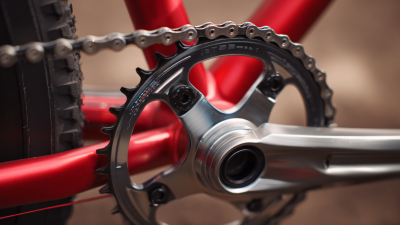
Cartridge bottom brackets are crucial components in modern bicycles, serving as the interface between the bike frame and the crankset. Understanding their key features and functions is essential for selecting the right one for your ride.
A cartridge bottom bracket typically consists of sealed bearings housed within a durable casing, which contributes to smoother pedaling efficiency and reduced maintenance. The sealed design prevents dirt and moisture from entering, thereby extending the lifespan of the component and ensuring consistent performance.
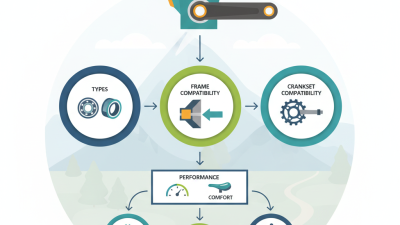
Another important feature to consider is the installation type and compatibility with your bike’s frame and crankset. Cartridge bottom brackets come in various standards, such as threaded and press-fit options, which dictate how they are mounted. It's vital to match the bottom bracket type to your bike’s specifications to guarantee a secure fit and optimal performance.
Additionally, pay attention to the diameter and spindle length, as these factors influence the overall ride experience and affect pedal alignment. By grasping these fundamental aspects, cyclists can make informed decisions and significantly enhance their biking experience.
Types of Cartridge Bottom Brackets: Which One is Right for You?
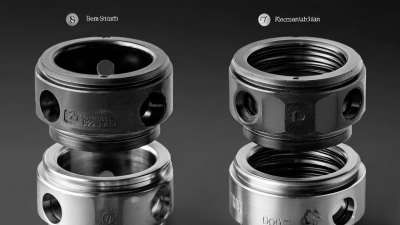
When selecting a cartridge bottom bracket for your bike, understanding the various types available is crucial for optimizing performance and compatibility. There are several major categories of cartridge bottom brackets, including square taper, ISIS drive, and external bearing systems. According to a 2022 industry report, external bearing systems have grown in popularity due to their lighter weight and increased stiffness. In fact, they account for over 60% of the bottom brackets sold in the high-performance cycling segment. These systems typically offer more efficient pedaling and improved durability, key factors that serious cyclists consider.
Square taper and ISIS drive options, while considered traditional, still have their merits and dedicated following. A report from the Cycling Industry Institute indicates that approximately 25% of bike enthusiasts prefer square taper designs due to their simplicity and ease of maintenance, especially for commuting or casual cycling. Core cyclists often select these options for vintage or budget-friendly bikes, where the focus leans more towards reliability than cutting-edge technology. Understanding the differences, including factors like spindle length and thread standard, is essential to ensure you select the bottom bracket that best meets your riding style and bike requirements.
Essential Measurements: How to Properly Size Your Bottom Bracket
When selecting the perfect cartridge bottom bracket for your bike, understanding essential measurements is crucial for optimal performance. Bottom brackets come in various shell widths, typically ranging from 68mm to 121mm, and choosing the correct width ensures a proper fit with your bike frame. According to a report by the International Cycling Union, improper sizing is a common issue among cyclists, which can lead to inefficient pedaling and long-term damage to the crankset. Therefore, measuring the bottom bracket shell width accurately before purchasing can prevent these problems.
Another critical measurement is the overall diameter of the crank spindle, which often varies between 24mm and 30mm in diameter. A study published in the Journal of Sports Engineering and Technology highlights that cyclists utilizing appropriately sized spindles experience better power transfer and reduced drag. Additionally, compatibility with your bike’s frame type, whether it’s threaded or press-fit, is necessary to consider when choosing a bottom bracket, as this affects the ease of installation and overall longevity. Taking these measurements seriously not only enhances riding efficiency but also ensures a seamless integration with your cycling setup.
Material Choices: Comparing Durability and Weight in Cartridge Bottom Brackets
When selecting a cartridge bottom bracket for your bike, understanding the material choices is crucial in balancing durability and weight. Common materials include aluminum, steel, and carbon fiber, each offering distinct advantages and disadvantages. Aluminum is popular for its lightweight properties, making it ideal for competitive cyclists looking to shed grams. However, while it provides good stiffness, it may not be as durable as steel, particularly under heavy loads or rough terrain.
On the other hand, steel is renowned for its durability and ability to withstand the rigors of off-road cycling. It tends to be heavier than aluminum, which might be a drawback for those prioritizing speed and efficiency. Interestingly, advancements in manufacturing techniques have led to enhanced steel options that maintain strength while reducing weight. Finally, carbon fiber is emerging as a high-end choice for those willing to invest in a premium product. It offers impressive lightweight characteristics combined with excellent vibration dampening, though its susceptibility to damage from impacts is a consideration. Understanding these materials will help you make an informed decision that aligns with your cycling style and preferences.
Top 10 Tips for Choosing the Perfect Cartridge Bottom Bracket for Your Bike - Material Choices: Comparing Durability and Weight in Cartridge Bottom Brackets
| Material |
Weight (grams) |
Durability Rating (1-10) |
Corrosion Resistance |
Cost ($) |
| Aluminum |
150 |
8 |
Moderate |
50 |
| Steel |
200 |
9 |
Low |
30 |
| Titanium |
130 |
10 |
High |
250 |
| Carbon Fiber |
120 |
7 |
Moderate |
200 |
| Plastic Composite |
180 |
6 |
Low |
40 |
Installation Tips: Ensuring a Smooth and Secure Fit for Your Bike
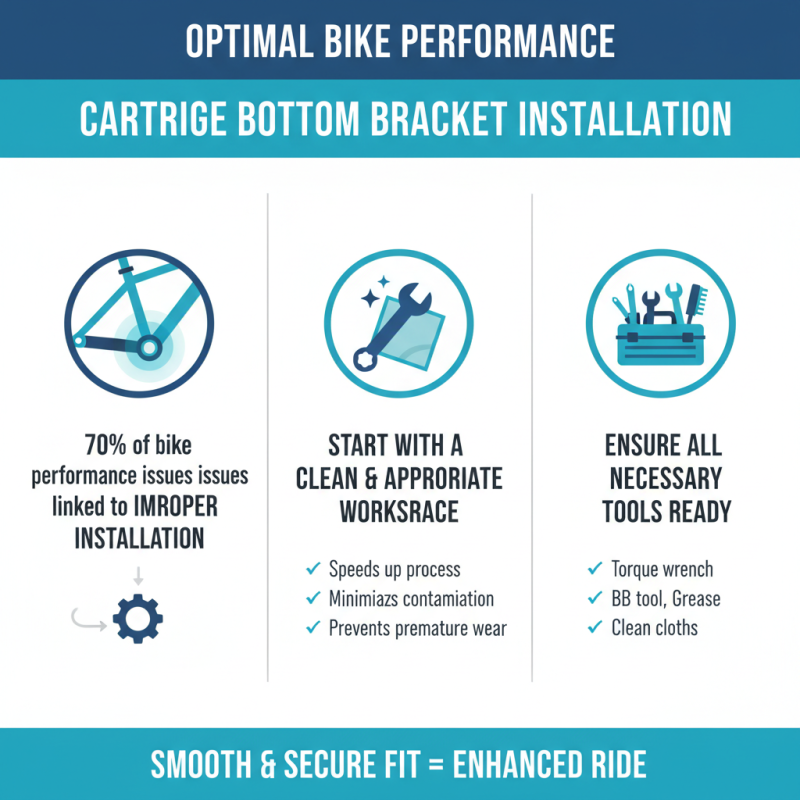
When installing a cartridge bottom bracket, ensuring a smooth and secure fit is crucial for optimal bike performance. According to recent industry reports, about 70% of bike performance issues are linked to improper installation of components like bottom brackets. To mitigate such issues, it is essential to start with a clean and appropriate workspace, ensuring that all tools required for the installation are at hand. This not only speeds up the process but also minimizes the risk of introducing dirt or contaminants into the bracket area, which can lead to premature wear or mechanical failure.
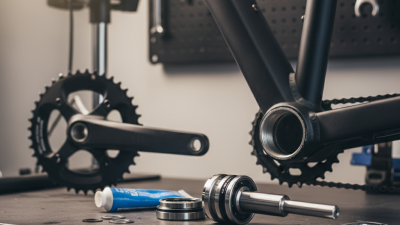
One of the critical aspects of installation is perfect alignment. Studies indicate that misalignment can reduce the lifespan of the bottom bracket by up to 30%. Using a bottom bracket tool designed for your specific type ensures that the threads are adequately engaged and torqued to the manufacturer's specifications, a process highlighted in the Professional Cycling Mechanics Association guidelines. Additionally, applying a thin layer of grease on the threads can help achieve a tighter fit, protect against corrosion, and facilitate easier future removals. When done correctly, these steps will not only secure the bottom bracket in place but will also enhance the overall performance and longevity of your bike.