How to Choose the Best Bicycle Socks for Global Sourcing

Choosing the best Bicycle Socks for global sourcing requires more than comparing factory prices. Buyers must connect rider comfort, material performance, compliance, and supply reliability. A cyclist notices small details: a cuff that cuts into the calf, a toe seam rubbing after 80 kilometres, or fabric remaining wet after a climb. These details influence reviews, repeat purchases, and brand credibility.

Industry data supports careful material selection. Textile Exchange’s Materials Market Report 2024 states that polyester represented approximately 59% of global fiber production in 2023. Recycled polyester accounted for about 12% of polyester output. These figures show strong material availability, but recycled content alone does not prove product quality. Suppliers should provide fiber documentation, colorfastness results, shrinkage data, and independent testing. Global sourcing teams can also consult the OECD Due Diligence Guidance for Responsible Supply Chains in the Garment and Footwear Sector. Its framework encourages traceability, risk assessment, and responsible supplier engagement.

The right specification depends on the riding environment. Lightweight mesh may suit hot road cycling, while merino blends can support cooler conditions. Reinforced heels and toes matter for frequent washing. Elastic arch support should feel secure, not restrictive. However, technical features can become meaningless if sizing is inconsistent. That is a common sourcing weakness. A strong evaluation process compares samples after repeated washing, not only when they arrive neatly packed. This guide examines fiber blends, construction, testing, certifications, minimum order quantities, packaging, and supplier communication. It aims to help buyers make practical decisions based on evidence, while recognizing that no single Bicycle Socks design serves every market.
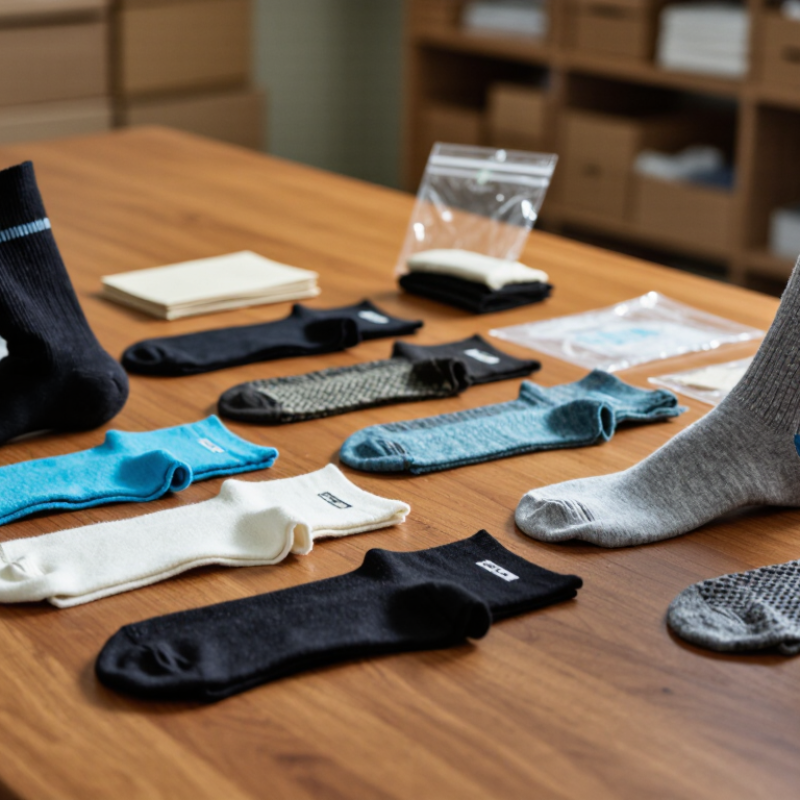
How to Choose the Best Bicycle Socks for Global Sourcing

Define Your Bicycle Socks’ Intended Use and Performance Needs

How to Choose the Best Bicycle Socks for Global Sourcing

Define Your Bicycle Socks’ Intended Use and Performance Needs

Before requesting samples, define where and how the socks will be used. A commuter may need durable cushioning for daily pavement. A road racer may prefer lightweight fabric and a close, aerodynamic fit. Touring cyclists often need moisture control, odor resistance, and comfort during long hours.

Ask for measurable requirements. Specify riding temperature, expected wear time, sock height, cushioning zones, and preferred compression level. Hot-weather models may use breathable synthetic yarns with mesh panels. Cooler designs may require a wool blend and a warmer, denser knit. Fit matters more than fiber alone.

I once favored a soft fabric without checking its recovery. It became loose after several washes. That mistake changed my sample process. Now, I inspect the cuff, toe seam, heel shape, and stretch retention after repeated washing. Small details matter.

Do not trust one sample. Test several sizes on different feet and riding positions. Record slipping, bunching, pressure points, drying time, and fabric wear. Suppliers should provide clear fiber content and production tolerances. Independent testing can also verify colorfastness, shrinkage, and abrasion performance. These records support consistent quality across international orders, though real-world testing may still reveal flaws.

Compare Sock Materials, Construction, and Moisture Management

How to Choose the Best Bicycle Socks for Global Sourcing

Material selection affects comfort, drying speed, cost, and sourcing stability. Merino wool regulates temperature well and resists odor, but it can dry slowly and cost more. Polyester dries quickly, while polypropylene moves moisture away from the skin efficiently. Nylon improves abrasion resistance around the heel and toe. A small amount of elastane helps the sock retain its shape after repeated washing.

Construction deserves equal attention. Look for flat toe seams that reduce pressure inside cycling shoes. Mesh panels across the instep can release heat during long rides. Dense knitting at the heel and toe protects high-wear areas. A shaped arch band can prevent slipping, but excessive compression may leave marks. Cuff height also matters. Short cuffs suit warm climates, while taller cuffs offer more coverage.

Moisture management should be verified, not assumed. Compare drying time after controlled washing and repeated wear. Check whether the fabric still feels damp after a two-hour ride. I once trusted a highly ventilated design that dried quickly but caused friction near the toes. The problem was not the fiber. It was poor seam placement. That mistake changed my sourcing checklist. Ask suppliers for fiber composition records, dimensional stability data, and sample testing after several wash cycles. Field feedback remains essential. Lab results cannot fully reproduce heat, sweat, dust, and changing road conditions.

How to Choose the Best Bicycle Socks for Global Sourcing - Compare Sock Materials, Construction, and Moisture Management

Material or Construction Typical Fiber Composition Moisture Management Drying Speed Breathability Durability and Shape Retention Hand Feel Recommended Sock Construction Best Use Key Sourcing Considerations
Polyester Performance Knit Usually 60–90% polyester, blended with nylon and elastane High
Hydrophobic fibers move liquid toward the outer surface when combined with suitable knitting and finishing.
Very fast High with mesh zones Good abrasion resistance and reliable color retention; elastane percentage affects recovery. Smooth to slightly technical Fine-gauge knit with mesh panels, arch support, and a reinforced heel and toe Road cycling, indoor training, warm-weather riding Request testing after repeated washing. Confirm pilling resistance, colorfastness, odor-control claims, and the actual elastane percentage.
Polyamide / Nylon Blend Usually 50–75% nylon, blended with polyester, polypropylene, or elastane Medium to high
Moisture performance depends strongly on yarn shape and knit density.
Fast Medium to high Very good abrasion resistance, tensile strength, and dimensional stability. Smooth, resilient, and slightly firm Lightweight knit with ventilation channels and dense heel-and-toe reinforcement High-mileage cycling and products requiring long wear life Check whether the listed nylon is conventional or recycled, and verify recycled-content documentation when sustainability claims are required.
Polypropylene Inner Layer Often 20–60% polypropylene blended with polyester, nylon, and elastane Very high
Low moisture absorption helps keep the fiber relatively dry.
Very fast High when knitted in a low-density structure Good moisture performance; may require a more abrasion-resistant outer yarn for heavy use. Lightweight and dry-feeling Two-layer or plated construction with polypropylene inside and nylon or polyester outside Hot, humid conditions and riders prioritizing a dry next-to-skin feel Inspect the inner and outer yarn arrangement. Poor plating can cause uneven coverage, loose loops, or reduced wash durability.
Merino Wool Blend Commonly 30–70% merino wool, blended with nylon and elastane High
Wool absorbs moisture vapor and helps regulate temperature, but it can hold more liquid than synthetic fibers.
Medium High Comfortable but less abrasion-resistant than nylon; reinforcement is recommended in high-wear areas. Soft, warm, and naturally resilient Cushioned knit with nylon reinforcement, flat toe seam, and moderate elastane recovery Cool-weather riding, touring, and variable climates Specify fiber diameter, wool percentage, shrinkage limits, pilling performance, mulesing-free requirements, and washing instructions.
Cotton Blend Usually 40–80% cotton blended with polyester, nylon, or elastane Low to medium
Cotton absorbs sweat and dries slowly, especially in dense or cushioned socks.
Slow Medium Comfortable but prone to retaining moisture; shape retention depends on synthetic content. Soft and familiar Lightweight construction with mesh ventilation and a moderate synthetic percentage Casual cycling, short rides, and cost-sensitive entry products Avoid positioning as a high-performance moisture-management product unless laboratory and wear testing support the claim.
Bamboo Viscose Blend Often 50–80% bamboo-derived viscose blended with polyester, nylon, or elastane Medium
The regenerated cellulose fiber is absorbent and may feel wet during heavy sweating.
Medium to slow Medium to high Soft hand feel, but wet abrasion and repeated washing performance depend on the blend and finishing. Very soft and smooth Fine-gauge knit with synthetic reinforcement and mesh ventilation Comfort-focused lifestyle and light-performance ranges Describe it accurately as bamboo-derived viscose. Verify fiber composition, pilling, shrinkage, and colorfastness rather than assuming natural fibers are more durable.
Recycled Polyester Blend Typically 50–90% recycled polyester, blended with nylon and elastane High Fast High with mesh construction Comparable performance to polyester when yarn quality and knitting controls are consistent. Smooth and technical Fine-gauge knit with mesh zones, elastic arch support, and reinforced wear areas Performance products requiring documented recycled content Request chain-of-custody or recycled-content documentation, plus tests for strength, pilling, colorfastness, and wash durability.
Cushioned Terry Construction Can be produced in polyester, nylon, merino, cotton, or blended yarns Medium
Looped cushioning increases absorbency and warmth but can slow drying.
Medium to slow Low to medium unless combined with mesh panels Good impact protection; heel and toe reinforcement improve service life. Plush and protective Targeted terry cushioning under the foot with mesh on the instep and upper foot Mountain biking, gravel riding, winter use, and impact-focused designs Specify terry-loop height, cushioning coverage, sock weight, and shrinkage. Excessive thickness can affect shoe fit and drying time.
Fine-Gauge Lightweight Construction Most commonly polyester, nylon, or a synthetic blend with elastane High when paired with moisture-wicking yarns and mesh zones Very fast High Lower material mass can increase wear risk unless high-abrasion yarns are used at the heel and toe. Close-fitting and low-bulk 200-needle or comparable fine-gauge knit, seamless or flat-linked toe, and elastic arch band Road cycling, racing, summer collections, and tight-fitting footwear Confirm gauge, sock weight, foot length grading, cuff recovery, toe alignment, and compatibility with the target shoe fit.
Compression and Arch-Support Knit Usually nylon or polyester with elastane or covered elastic yarn Medium to high
Support zones do not automatically improve wicking; ventilation must be engineered separately.
Fast with synthetic yarns Medium Good shape retention when elastic recovery and knitting tension are controlled. Secure and close-fitting Graduated or targeted compression zones, arch band, flat toe seam, and ventilated instep Endurance riding and products emphasizing foot stability Define compression level, measurement method, size grading, cuff pressure, and recovery after washing. Avoid unsupported medical claims.
Mesh Ventilation Panel Usually polyester or nylon, integrated into a larger blended sock structure High when moisture-wicking yarns are used Very fast Very high Ventilation improves comfort, but overly open mesh can snag or reduce abrasion resistance. Light and airy Open-knit instep or side panels combined with dense heel, toe, and sole zones Hot-weather cycling and high-sweat activities Check mesh opening size, snag resistance, transparency, seam stability, and whether the panel stretches excessively during wear.

Specification note: Actual performance varies with yarn cross-section, blend ratio, knitting gauge, fabric density, finishing chemicals, sock thickness, fit, washing conditions, and footwear ventilation. Before global production, validate samples through fiber-composition verification, dimensional-change testing, colorfastness testing, abrasion or pilling testing, and repeated-wash wear trials.

Select the Right Fit, Height, Cushioning, and Support Features

Choosing bicycle socks for global sourcing starts with fit, not decoration. Measure foot length, calf circumference, and instep height across target markets. A reliable size chart should include millimeter measurements, not only small, medium, and large. I have found that identical sizes can feel different after washing. Request pre-production samples and test them with cycling shoes.

Height affects comfort and market acceptance. Low-cut socks suit hot conditions, while crew heights protect ankles from sun, dust, and light contact. Check whether the cuff stays firm without leaving deep marks. Cushioning must match the riding environment. Thin soles improve shoe sensitivity, while moderate cushioning reduces pressure during long rides. Excess padding may make a close-fitting shoe uncomfortable.

Support features need practical testing. A shaped arch band can reduce movement, but excessive compression may restrict comfort. Use stretch tests, wash tests, and repeated-wear trials before approving bulk orders. Review fiber content, seam placement, colorfastness, and labeling requirements for each destination. These details influence durability and import readiness. Do not rely on factory claims alone. Independent inspection adds confidence.

Small mistakes remain possible. A sample may perform well in a cool warehouse but fail during humid outdoor use. Ask testers to ride, sweat, wash, and repeat. Their feedback often reveals problems that specifications miss. Reliable sourcing comes from measured fit, clear tolerances, and honest revision.

Evaluate Durability, Safety Standards, and Supplier Quality

When sourcing bicycle socks globally, durability starts with fiber choice and construction, not attractive packaging. Textile Exchange’s Materials Market Report 2024 estimates global fiber production reached 124 million tonnes in 2023. That scale increases the need for traceable materials and controlled blends. Request yarn composition, recycled-content evidence, and batch records. Fit is measurable. Check cuff recovery, heel reinforcement, toe seams, and shrinkage after repeated washing. ISO 12947 abrasion testing and ISO 6330 washing procedures can support comparable supplier claims.

Safety requires more than a laboratory certificate. Ask suppliers to screen restricted substances under destination-market rules, including EU REACH requirements where applicable. ISO 14362 testing can examine certain azo dyes, while ISO 3071 measures textile pH. These tests do not prove every safety requirement. They only answer defined questions.

Suppliers should provide current reports, test methods, laboratory identification, and production-batch links. A certificate without traceability is weak evidence.

Supplier quality also depends on process discipline. Use ISO 2859-1 sampling plans for incoming inspections, then check measurements, color consistency, loose threads, odor, and packaging damage. Small defects matter.

A practical sourcing review should include pre-production samples, pilot runs, and random final inspections. The Sustainable Apparel Coalition’s Higg Facility Environmental Module highlights the importance of measurable facility performance, but it cannot replace product testing.

My own sourcing preference is sometimes too focused on test documents; factory capability, worker training, and honest corrective-action records deserve equal attention.

Assess Global Sourcing Costs, Compliance, and Production Capabilities

How to Choose the Best Bicycle Socks for Global Sourcing

Global sourcing starts with the landed cost, not the factory quotation. Include yarn, knitting, toe closure, packaging, testing, freight, insurance, duties, and currency movement. The World Bank’s Logistics Performance Index 2023 shows major differences in customs efficiency and shipment reliability across markets. A low unit price can become expensive after delays and port charges.

Compliance needs evidence, not promises. Textile Exchange’s Materials Market Report 2024 reports that global fiber production reached about 124 million tonnes in 2023. That scale increases pressure for traceable fibers and clearer material claims. Ask for fiber-content records, restricted-substance test reports, colorfastness results, and social-compliance documentation. Destination rules may also require precise labeling and chemical controls. Requirements change. Recheck them before every order.

Production capability matters on the cyclist’s foot. Request samples in the target yarn blend, cuff height, mesh zone, and compression level. Check stretch recovery after washing, heel alignment, toe smoothness, and pilling under friction. A factory should explain machine gauges, daily capacity, minimum order quantities, and inspection procedures. UNCTAD reports that over 80% of global merchandise trade by volume moves by sea, so production buffers are practical. I would keep a second qualified supplier, even when the first performs well. Spreadsheets can still lie. Past output is not guaranteed capacity.

How to Choose the Best Bicycle Socks for Global Sourcing

Indicative calendar-day benchmarks for a standard performance bicycle sock order. Actual timing depends on order quantity, yarn availability, testing requirements, destination, and shipping method.

Use the longer end of each range when assessing new suppliers, custom yarns, recycled materials, compression structures, or additional chemical and labeling checks. Compare these timelines with landed-cost quotations, compliance documentation, and confirmed knitting capacity before placing an order.

This website uses cookies to ensure you get the best experience possible. Learn more.