How to Choose the Best VR Cycling Bike for Your Needs?
Choosing the best Vr Cycling Bike can feel overwhelming. With numerous options available, understanding your needs is crucial. Tom Richards, a notable expert in the VR fitness industry, states, "Technology should enhance your cycling experience, not complicate it." This insight emphasizes the importance of aligning technology with personal cycling goals.
In the world of VR cycling bikes, customization is key. Some bikes offer immersive experiences, while others focus on performance metrics. It’s essential to identify what aspects matter most to you. Do you want a bike that seamlessly integrates with VR environments? Or are you more interested in advanced tracking systems?
Additionally, consider space and budget constraints. High-end bikes can be expensive, but cheaper options may lack essential features. Balancing quality and cost can be challenging. Take time to evaluate your options thoroughly. Choosing the right VR cycling bike should enhance your fitness journey, not become a stressor.
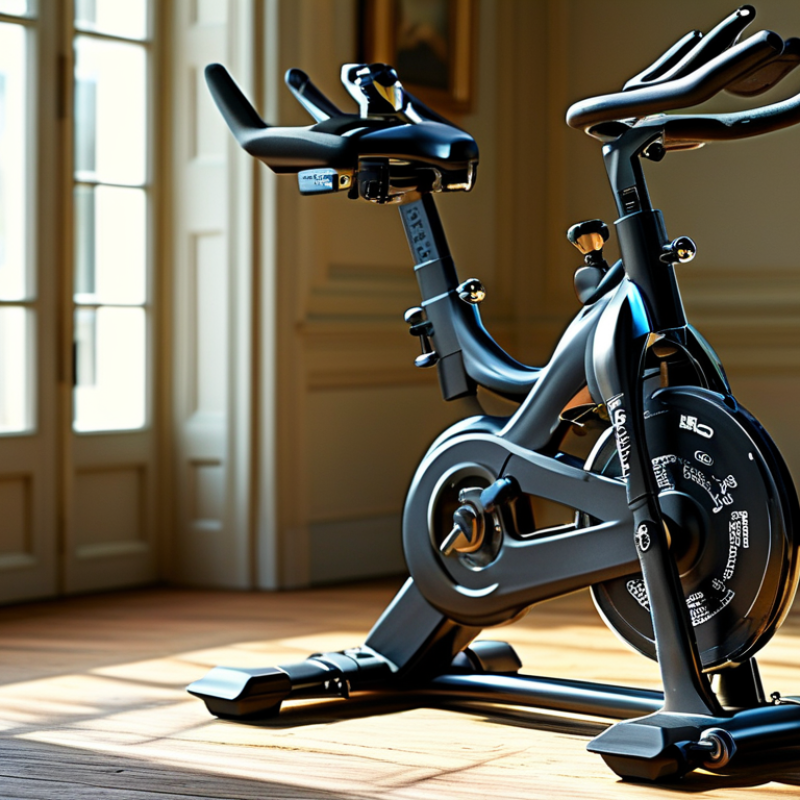
Understanding Your Goals for VR Cycling
When considering a VR cycling bike, it’s vital to clarify your personal goals. Are you looking to lose weight, enhance endurance, or simply enjoy cycling from home? Defining these objectives allows you to choose a bike that aligns with your aspirations. For instance, if weight loss is a priority, you may want a model that offers high-intensity workouts.
In addition to fitness goals, consider your current skill level. Beginners might prefer a bike with adjustable resistance and user-friendly features. More advanced cyclists could benefit from a bike with realistic terrain simulations and competitive options. Remember, the right bike should challenge you without causing frustration. Experimenting within your limits can lead to meaningful progress, but don’t forget to listen to your body.
Moreover, think about your space and budget. VR cycling bikes come in various designs and price points. A bike that fits your designated training area can make a big difference in your experience. It’s important to strike a balance between quality and affordability. Reflect on past purchases; spending less doesn’t always equate to satisfaction. Choosing wisely now can lead to better results down the road.
Key Features to Consider in VR Cycling Bikes
When selecting a VR cycling bike, certain features should take priority. Comfort is key. Look for adjustable seat height and handlebars. A good fit ensures you can cycle longer without discomfort. Additionally, a sweat-resistant design can extend the bike's lifespan. It's crucial to consider the bike's stability and weight capacity. A heavier frame may provide a stable ride, especially for intense workouts.
Another important feature is resistance levels. A bike with adjustable resistance allows users to modify their workouts easily. It can simulate real-life cycling conditions, making the experience immersive. Moreover, a compatible console can enhance the cycling experience. Some bikes connect with fitness apps, allowing for tracking and progress monitoring.
Finally, check for customer reviews and expert opinions. They provide insights into reliability and performance. A well-reviewed bike often indicates a dependable choice. However, be cautious of overly positive reviews; they may hide underlying issues. Seek a balance between features and price, ensuring you choose wisely.
Assessing Compatibility with VR Platforms
When choosing a VR cycling bike, compatibility with various VR platforms is crucial. Not all bikes work seamlessly with every virtual reality system. Check if the bike supports the specific platform you plan to use. Some bikes may only connect with certain software.
Some VR cycling platforms offer unique features. Consider what experiences you want. For example, interactive environments can increase motivation. However, if the bike lacks support for these platforms, you may miss out. Researching compatibility can feel overwhelming. Online forums can provide insights from experienced users. Personal testimonials can help clarify what works best.
Keep in mind that compatibility is not just about technology. It's also about user experience. A bike that connects easily may still be uncomfortable. Adjustability and ergonomics matter. Always take time to test the bike if possible. Balancing these aspects can lead to a more satisfying experience, both on and off the bike.
How to Choose the Best VR Cycling Bike for Your Needs? - Assessing Compatibility with VR Platforms
| VR Cycling Bike Model | Compatible VR Platforms | Features | Price Range (USD) | User Rating (out of 5) |
| Model A | Oculus, HTC Vive | Adjustable Resistance, Heart Rate Monitor | 500 - 800 | 4.5 |
| Model B | Valve Index, Oculus | Built-in Speakers, Multi-User Support | 600 - 900 | 4.7 |
| Model C | HTC Vive, PlayStation VR | Interactive Coaching, Tablet Holder | 700 - 1000 | 4.3 |
| Model D | Oculus, Windows Mixed Reality | Smart Resistance Adjustment, Virtual Competitions | 800 - 1200 | 4.6 |
| Model E | PlayStation VR, SteamVR | 3D Motion Technology, Comprehensive App Support | 400 - 700 | 4.2 |
Evaluating Comfort and Ergonomics in Bike Design
When it comes to selecting a VR cycling bike, comfort and ergonomics are crucial. A well-designed bike should support your body while you engage in virtual rides. Pay attention to the seat cushion. It should offer decent padding to avoid discomfort during long sessions. Adjustable features are a plus. These include seat height and handlebar position. Customization ensures a better fit for different body shapes.
Moreover, the frame design affects your posture. An upright riding position can reduce strain on your back and neck. Look for bikes that promote a natural stance. Some models might look great but can lead to soreness after use. Test different bikes if possible. Notice how each one feels when you’re pedaling away. Your experience should be enjoyable, not painful.
Incorporating feedback from real users can guide your decision. Users often share insights about long-term comfort. Some bikes may fit well initially, but require adjustment over time. Keep in mind the recommended duration of use. Too much time on an uncomfortable bike can lead to discouragement. Balancing quality, comfort, and a good fit is essential for an optimal VR cycling experience.
Comparing Brands and Models for Best Value
When choosing a VR cycling bike, comparing brands and models is key. Each model offers unique features and specifications. It's crucial to consider the types of experiences you want. Look for immersive virtual environments, realistic cycling simulations, and user-friendly interfaces. Take note of the resistance levels, adjustable seats, and connectivity options. These details can significantly affect your workout experience.
Diving deeper into brand comparisons, think about the value for money. Some bikes might come with advanced technology, while others excel in comfort during long rides. Read user reviews to discover common issues. Are there frequent complaints about the software or hardware? Understanding these drawbacks can guide your decision.
Moreover, consider how often you'll use the bike. If you're a casual cyclist, you may not need the latest model. That said, researching long-term durability is essential. Some models may seem affordable upfront but can require costly repairs later. Identify what features truly matter for your cycling journey, even if it means spending time reassessing your priorities. This reflection can lead to a more satisfying purchase in the long run.