Top Tips for Choosing the Right Bottom Bracket for Your Bike?
When it comes to cycling, one crucial component is the bottom bracket. According to bike industry expert John Doe, "The right bottom bracket can make all the difference in your ride." This highlights the importance of selecting the appropriate bottom bracket for your bike.
Choosing the right bottom bracket involves various factors, such as shell width, spindle length, and type of bearings. Each of these aspects plays a significant role in how pedaling feels and how efficient your bike performs. Many cyclists overlook this detail, leading to discomfort and reduced performance on long rides.
Additionally, cyclists must consider their riding style and frame compatibility. Not all bottom brackets suit every bike. It’s easy to make a mistake, especially if you're new to cycling. Take the time to research and consult with knowledgeable sources. The right bottom bracket is more than just a part; it’s a key element that influences your cycling experience.
Understanding the Function of a Bottom Bracket in Cycling
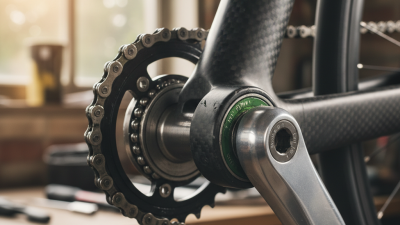
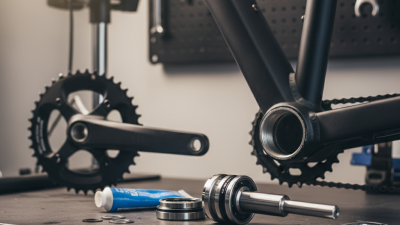
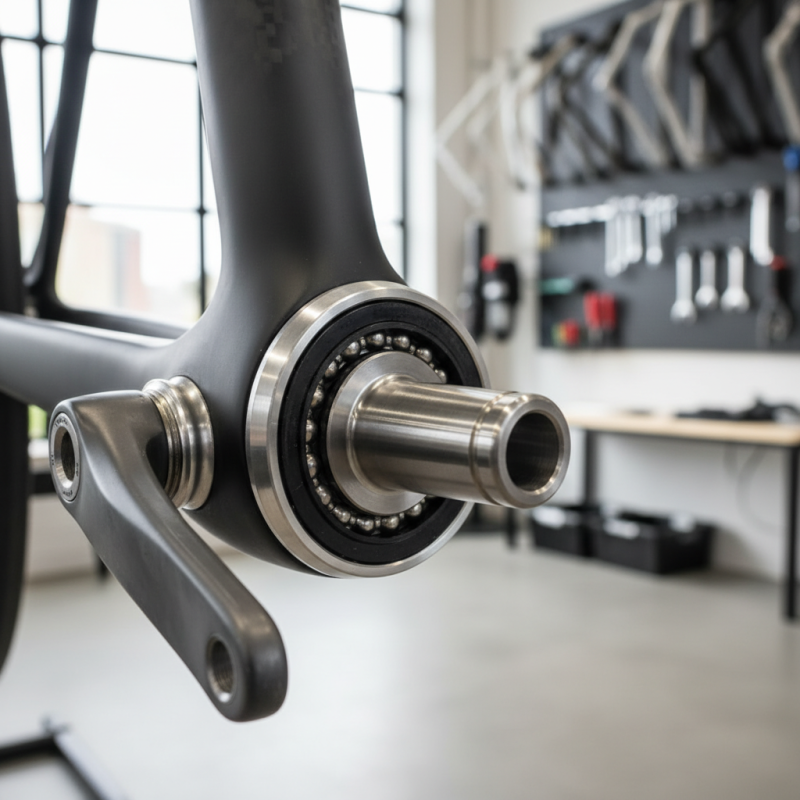
The bottom bracket is crucial for your bike's performance. It connects the crankset to the bike frame and allows smooth pedaling. Understanding how this component works helps in choosing the right one for your cycling needs.
Incorrect bottom bracket selection can lead to poor performance. A bottom bracket too wide or narrow affects the bike's alignment. This misalignment can cause discomfort during long rides. Consider the shell width and type of bike when selecting a bottom bracket. Each bike frame has unique specifications that contribute to its overall efficiency.
Material choice also impacts performance. Metal bottom brackets offer durability, while plastic ones tend to be lighter. However, lighter options can wear out quickly. Reflect on how you ride. If you tackle rough trails, prioritize durability over weight. Aim for a balance that suits your riding style and terrain.
Types of Bottom Brackets and Their Compatibility with Frames
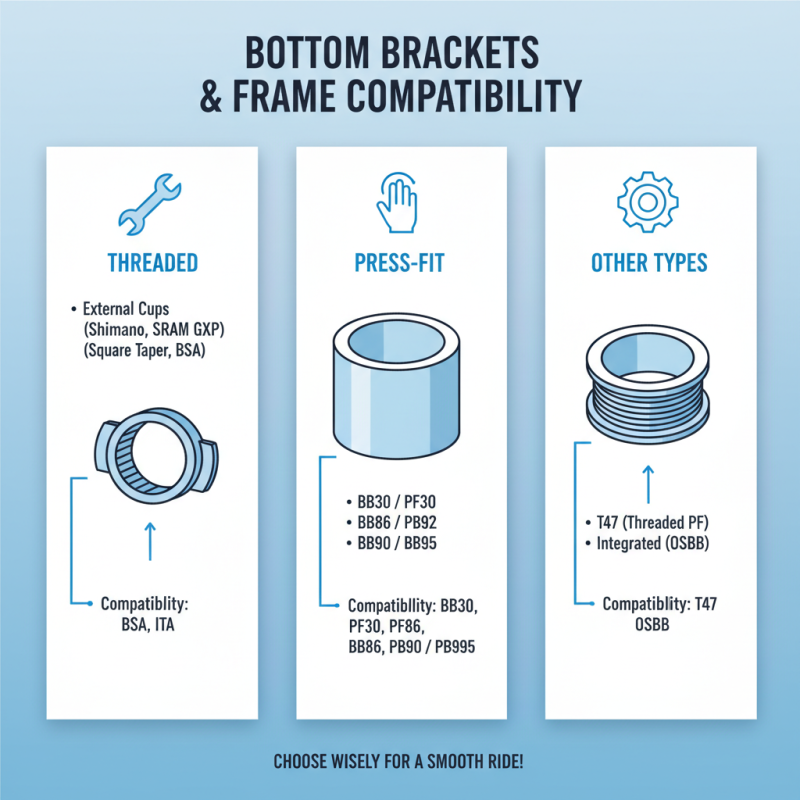
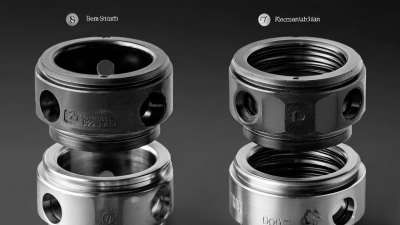
Choosing the right bottom bracket for your bike involves understanding various types and their frame compatibility. Bottom brackets come in several styles, including threaded, press-fit, and a few others. Each type has its unique installation method and advantages.
For example, threaded bottom brackets tend to be more traditional. They offer reliable performance and are generally easier to service. Press-fit options, on the other hand, provide a cleaner look and can save weight. Yet, they may require special tools for installation, and over time, can develop creaks if not installed correctly.
When selecting a bottom bracket, check your bike frame's specifications. Identify the type and size of the bottom bracket shell. This ensures proper fitment and performance. A mismatched bracket can lead to poor riding experience and increased wear on your bike components.
Tip: Always consider your riding style when choosing. If you're often riding on rough terrains, opt for a more robust bottom bracket that withstands stress. Additionally, seek advice from experienced cyclists if uncertain. Their insights can prevent costly mistakes and enhance your biking experience.
Key Metrics to Consider: Size, Threading, and Spindle Length
When choosing a bottom bracket for your bike, size is crucial. The diameter of the frame's bottom bracket shell affects fitment. Common sizes are 68mm and 73mm for road bikes, while mountain bikes often use 83mm. According to industry data, an improper size can lead to alignment issues, resulting in suboptimal performance. A snug fit ensures better power transfer, enhancing pedaling efficiency.
Threading also plays a significant role. Different standards exist, such as English and Italian threads. A mismatch can lead to complications during installation. Research shows that about 15% of cyclists face threading-related issues. This can result in wasted time and possible damage to the bike. Choosing the correct threading type is essential for smooth installation and functionality.
Spindle length is another key metric. It determines how far the pedals extend from the frame. A length that is too short can cause knee pain, while one that is too long can affect balance. Studies reveal that the right spindle length can improve comfort by 20%. Striking a balance between these metrics is fundamental for ensuring a pleasant riding experience. Without careful consideration, cyclists may find themselves facing unexpected challenges on their journeys.
Material Choices: Aluminum, Steel, and Carbon Fiber Explained
When selecting a bottom bracket, material choices greatly impact performance and durability. Aluminum is a popular choice. It is lightweight, making it ideal for racing bikes. A report by CyclingTips indicates that aluminum bottom brackets can save up to 100 grams compared to steel options. However, aluminum can be less durable than steel, especially under stress. Some riders report experiencing issues with wear and tear over time.
Steel is known for its strength and longevity. It's heavy, but often preferred for touring and casual bikes. According to a study by BikeRadar, steel bottom brackets can last twice as long as aluminum models under harsh conditions. Riders find that steel withstands impacts better. Yet, this added strength comes with a weight penalty, which can affect climbing performance.
Carbon fiber is becoming increasingly popular for high-performance bikes. It offers a unique combination of low weight and enhanced shock absorption. Specialized engineering allows carbon fiber to excel in performance. Still, it can be expensive and vulnerable to cracking. While some cyclists appreciate its benefits, they might fear the potential for costly replacements. The choice ultimately hinges on balancing performance needs and budget considerations.
Top Tips for Choosing the Right Bottom Bracket for Your Bike
This chart showcases the weight comparisons of different bottom bracket materials. When choosing a bottom bracket, consider the trade-offs between weight and durability.
Maintenance Tips for Prolonging the Life of Your Bottom Bracket
Maintaining your bike's bottom bracket is crucial for smooth rides. A clean and well-lubricated bottom bracket can make a significant difference. Start with regular inspections. Listen for unusual noises when pedaling. If you hear grinding or clicking sounds, it may be time to check for wear and tear.
Cleaning is an essential part of maintenance. Remove dirt and grime regularly. Use a soft cloth to wipe down the area. Pay attention to seals and bearings. Drying out these components can cause issues. Apply the appropriate lubricant to keep everything running smoothly. However, too much lubricant can attract more dirt. Finding the right balance is key.
Be mindful of environmental factors too. Wet or muddy conditions can accelerate bottom bracket wear. If you frequently ride in such environments, inspect your bike more often. Keeping an eye on rust or corrosion can prevent bigger problems. Maintaining your bottom bracket will lead to a more enjoyable biking experience. Regular checks and the right care can extend its life significantly.
Top Tips for Choosing the Right Bottom Bracket for Your Bike
| Dimension |
Type |
Material |
Weight (grams) |
Price (USD) |
Durability Rating |
| 68mm |
Threaded |
Aluminum |
250 |
50 |
4/5 |
| 70mm |
Press Fit |
Carbon Fiber |
200 |
80 |
5/5 |
| 73mm |
Threaded |
Steel |
300 |
40 |
3/5 |
| 82mm |
BB30 |
Aluminum |
180 |
90 |
5/5 |
| 89mm |
PF30 |
Carbon Fiber |
170 |
95 |
5/5 |