How to Choose the Right Bottom Bracket Tool for Your Bike?
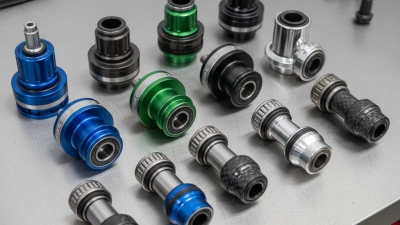
Choosing the right bottom bracket tool is crucial for any bike enthusiast. As expert mechanic Jane Doe puts it, "A proper bottom bracket tool can save you time and effort." With so many options available, it can be overwhelming to select the best one. Each bike has unique needs, and the right tool can make all the difference.
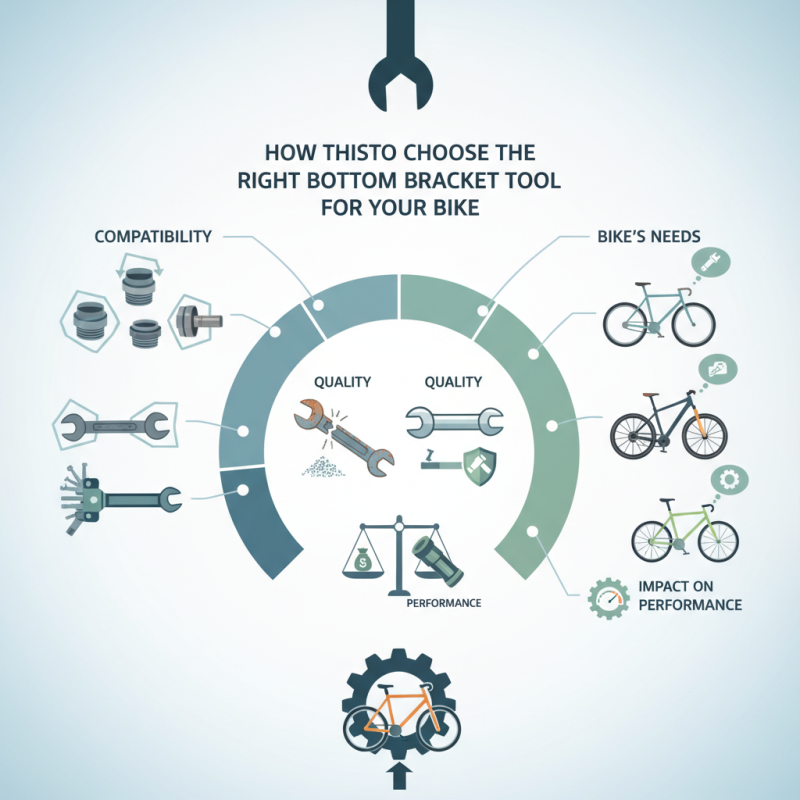
When considering a bottom bracket tool, one must think about compatibility. Not all tools fit every bottom bracket type. Some tools are universal, while others specialize in specific models. It's essential to know your bike's requirements. Often, beginners overlook this aspect, leading to frustration during installation.
Quality matters as well. A sturdy bottom bracket tool can endure the test of time. Cheaper tools may break or strip threads, causing issues down the line. However, investing in high-quality tools shouldn't mean overspending. Finding a balance is key. Remember, the bottom bracket tool you choose will directly impact your bike's performance and maintenance routine.
Understanding Bottom Bracket Types: An Overview of Standards and Sizes
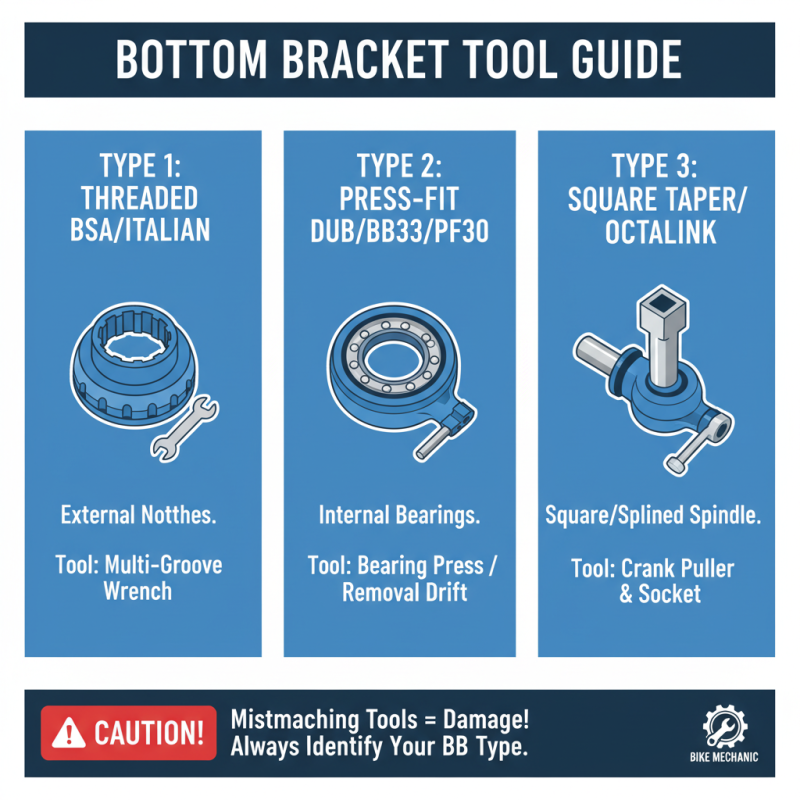
When it comes to bottom brackets, one size does not fit all. Knowing the different types and standards can simplify your bike maintenance. There are threaded, press-fit, and semi-press-fit options. Each type has its own specifications. For example, threaded bottom brackets screw into the bike frame. They are easier to replace but can sometimes get corroded. Be aware: not all frames support threaded designs.
Sizing is crucial. From BSA to Italian and BB30, each has unique dimensions. Understanding these specifics will help you avoid costly mistakes. Compatibility with your bike's frame and crankset is vital. Measure carefully. Sometimes a mistaken measurement can lead to headaches during installation. Ongoing maintenance is also essential. Regular checks can prevent long-term issues.
Choosing the right bottom bracket can be frustrating. Many feel overwhelmed by the variety. Reflection is key here. Think about your riding style. How often do you ride? What terrain do you cover? These factors should guide your decision. Don't rush. Take your time to understand what your bike needs.
Assessing Compatibility: How to Match Tools to Your Bottom Bracket
When choosing the right tool for your bottom bracket, compatibility is key. Not every tool fits all types of bottom brackets. You must know what type you have installed. Some bottom brackets require specific tools, while others need a more universal approach. If you mix them up, you risk damaging both the tool and the bracket.
Tips: Check online resources or manuals. They can help you identify your bottom bracket type. If possible, bring your bike to a local shop for guidance. A clear understanding avoids frustration later.
Another consideration is the tool's design. Some tools are simple and straightforward. Others may require a learning curve. Don't be afraid to experiment, but be cautious. Improper use could lead to stripped threads or worse.
Tips: Practice with a spare component if available. If you're uncertain, seek advice from experienced cyclists. Their insights can save you time and effort. Understanding your tool's mechanism will serve you well in the long run.
Key Features of Bottom Bracket Tools: What to Look For
Choosing the right bottom bracket tool is essential for bike maintenance. When selecting a tool, consider its compatibility with your bike's bottom bracket type. Different systems exist, such as threaded or press-fit designs. Your tool must match this specification for effective installation and removal.
Look for comfort in the tool's grip and handling. A tool that feels good in your hand reduces fatigue during long tasks. Consider the material as well. A sturdy, high-quality material ensures longevity and performance. Cheaper tools may break easily, leading to frustration.
Tip: Check online forums or bike clubs for user reviews. Real-world experiences can shine a light on durability and efficiency.
Pay attention to the tool's design. Some tools offer multi-functionality, which can be handy. However, a complex design may lead to confusion and mistakes. It's crucial to find a balance between versatility and ease of use.
Tip: Always practice with a new tool on a spare bottom bracket. This will help you gain confidence and skill. Reflect on your experiences, and you will improve over time.
Popular Brands and Models: A Comparative Analysis of Top Tools
Choosing the right bottom bracket tool can be tricky. Many options exist, and each has unique features. Some tools are designed for specific models, making compatibility a key consideration. If you own multiple bikes, a versatile tool could be beneficial.
When comparing popular tools, look for ease of use. For example, some tools may have ergonomic handles that provide a better grip. Others might include multiple adapters for different types of bottom brackets. You might find it frustrating if a tool doesn’t fit well. It’s crucial to read user reviews for real-life experiences.
Another point to consider is the build quality. Some tools withstand wear and tear better than others. Over time, cheaper tools may wear out, leading to poor performance. Investing in a slightly more expensive tool might save you money in the long run. Reflect on your needs and usage frequency before making a decision. An informed purchase can enhance your bike maintenance experience.
Comparison of Bottom Bracket Tool Effectiveness
Maintenance Tips: Ensuring Longevity of Your Bottom Bracket Tool
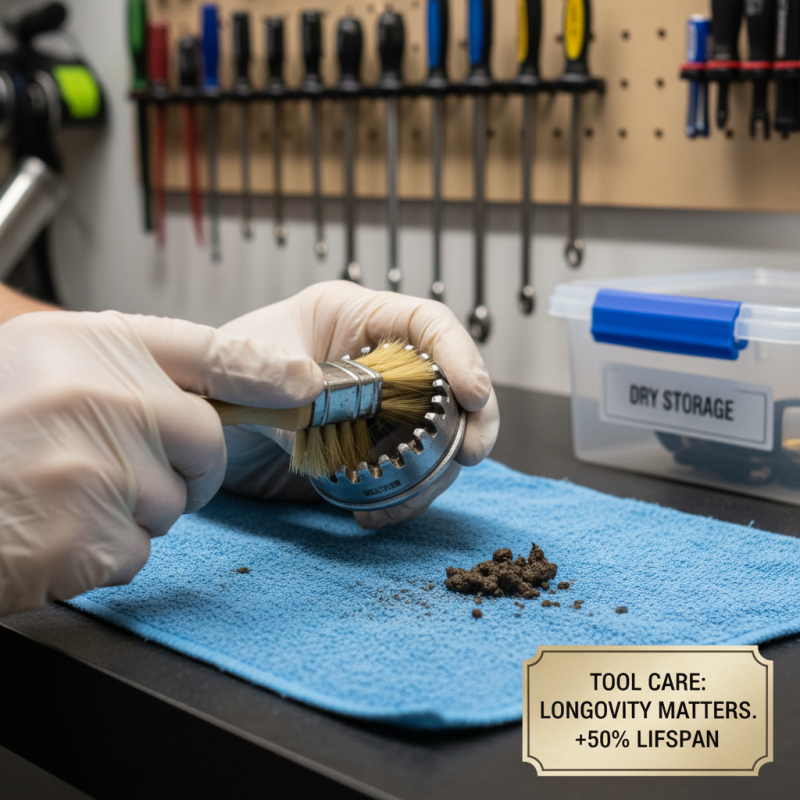
Maintaining your bottom bracket tool is essential for longevity. A well-cared tool can serve you for years, saving you money and effort. Research shows that proper maintenance can extend tool lifespan by up to 50%. Regular cleaning is crucial. Dust and grease buildup can damage your tool, leading to early wear and tear. Use a soft brush for routine cleaning and store your tools in a dry place.
Inspect your bottom bracket tool frequently. Look for signs of wear, like chipped edges or rust. Any damage can affect your bike's performance. A poorly maintained tool may trip you up during repairs, causing frustration. A recent survey indicated that 30% of cyclists reported issues due to inadequate tool care.
Using the right lubricants can make a significant difference as well. Avoid heavy greases; they can attract dirt. Lightweight oils are preferable. Remember, not all tools are created equal. Some may require more attention than others. Keeping a maintenance log could help track your tool's performance and care routine. Regular reflection on your practices will guide you in making the right adjustments.