Why Is Choosing the Right Euro Bottom Bracket Important?
Choosing the right euro bottom bracket is crucial for optimal bike performance. The euro bottom bracket contributes to the overall efficiency of your cycling experience. A well-chosen bottom bracket ensures smooth pedaling and enhances power transfer.
Not all euro bottom brackets are created equal. They vary in quality, material, and compatibility. A wrong choice may cause poor fit, leading to issues like squeaking or premature wear. These problems can interrupt your ride and are frustrating for any cyclist.
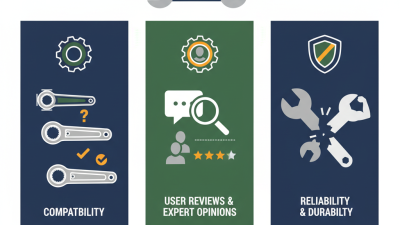
Engaging with the right expertise when selecting a euro bottom bracket can make a significant difference. Trustworthy reviews and professional opinions provide valuable insights. Missteps in this area warrant reflection, as they can affect your cycling journey. Prioritizing the right euro bottom bracket is worth the effort for any serious cyclist.
The Role of Bottom Brackets in Cycling Performance and Efficiency
Bottom brackets play a critical role in cycling performance. They connect the bike frame to the crankset, impacting how efficiently power transfers from the rider's legs to the wheels. A well-chosen bottom bracket can improve your pedaling efficiency significantly. However, cyclists often overlook this component. Many focus solely on handlebars or wheels.
Choosing the right bottom bracket affects the bike's handling. It can influence the overall ride quality, stability, and responsiveness. A bottom bracket that is too heavy can slow you down. Conversely, a lightweight option may sacrifice durability. These trade-offs can affect long rides and racing strategies. Riders may need to weigh performance against comfort and reliability.
The installation process also matters. A poorly installed bottom bracket can lead to creaking sounds and decreased performance. Regular maintenance is essential for optimal function, but many cyclists forget this. Being mindful of these details can enhance your cycling experience. Pay attention to your bottom bracket selection, and you may notice a difference in your ride.
Overview of Euro Bottom Bracket Standards and Compatibility Issues
Understanding Euro bottom bracket standards is crucial for cyclists. Compatibility issues often arise due to different standards. Choosing the correct bottom bracket ensures optimal performance and reliability. A mismatch can lead to poor cycling experience.
Euro bottom brackets come in various types, such as BSA and ITA. Each has unique specifications. This diversity can complicate compatibility. For instance, the width and threading differ across models. Newer cyclists may struggle to identify the right type. An incorrect choice can affect bike stability.
Factors like crankset compatibility play a significant role. Many cyclists overlook this detail. Additionally, not all frames accommodate every bottom bracket type. Take the time to research specific needs. This knowledge can prevent future headaches. It’s essential to evaluate every aspect carefully. When in doubt, consulting with a professional can be a wise step.
Impact of Bottom Bracket Material on Weight and Stiffness
The material of a bottom bracket plays a crucial role in cycling performance. A lightweight material can enhance agility and responsiveness. Typically, aluminum or carbon fiber is preferred for serious cyclists. These materials provide a favorable strength-to-weight ratio. Steel, on the other hand, is heavier but often prized for its durability. Each material brings different benefits. Choosing the right one can be a matter of personal preference.
Stiffness is another essential factor. A stiffer bottom bracket enhances power transfer during pedaling. Riders often notice a tangible difference in performance when switching materials. However, too much stiffness can lead to discomfort on long rides. Balancing weight, stiffness, and comfort is an ongoing challenge. Riders must reflect on their needs and preferences when making a choice.
In the end, each rider’s experience shapes their decision. Not every material will suit every cyclist. Some may favor a lightweight design, while others prioritize comfort or durability. The ideal choice should reflect the rider's cycling style, terrain, and personal preference. Understanding these dynamics can significantly influence cycling efficiency.
How Proper Installation Affects Longevity and Maintenance of Bottom Brackets
Choosing the right Euro bottom bracket is often overlooked, yet it is vital for performance. Proper installation plays a significant role in longevity and maintenance. A well-installed bottom bracket helps minimize friction, allowing smoother pedaling. When components are aligned correctly, wear and tear on bearings decrease significantly.
Improper installation can lead to significant issues over time. Misalignment can cause uneven wear on the bearings. This may result in early failure or the need for replacements. A poorly installed bottom bracket might also lead to noise and reduced efficiency. Regular checks and maintenance can prevent these problems.
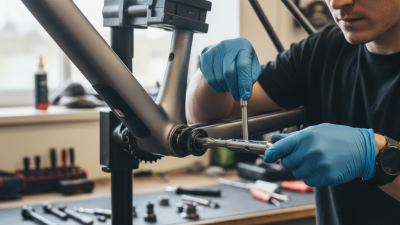
Attention to detail during installation is key. Ensure the threads are clean and free of debris. Torquing to the manufacturer's specifications can also prevent future headaches. A few minutes spent on proper installation can extend the life of your bottom bracket significantly. The investment of time pays off in better performance and less frequent repairs.
Comparative Analysis of Popular Euro Bottom Bracket Brands and Models
Choosing the right Euro bottom bracket is crucial for optimal cycling performance. Numerous brands and models exist, each with unique features. Some bottom brackets focus on weight savings, while others emphasize durability. Popular materials include aluminum and composite, depending on rider preferences.
It’s important to thoroughly research each option. Pay attention to compatibility with your frame and crankset. Some bottom brackets offer sealed bearings, which improve longevity. Others use cartridge systems for easy maintenance but may require more frequent replacements.
Tips: Consider your riding style. If you're a competitive cyclist, lightweight models might serve you better. For casual riders, durability could take priority. Don’t hesitate to reach out to experienced riders for recommendations. Online reviews can also provide valuable insights. Balancing performance and longevity will lead to a satisfactory choice.