The Ultimate Guide to Choosing the Right Mountain Bike Bottom Bracket
When it comes to mountain biking, selecting the right components can significantly affect your performance and enjoyment on the trails. One of the most crucial parts of a mountain bike is the bottom bracket, which connects the crankset to the bike and allows for smooth pedaling efficiency. As noted by renowned mountain biking expert Dr. Emily Carter, "The bottom bracket is the unsung hero of the bike; its choice can make or break your ride."
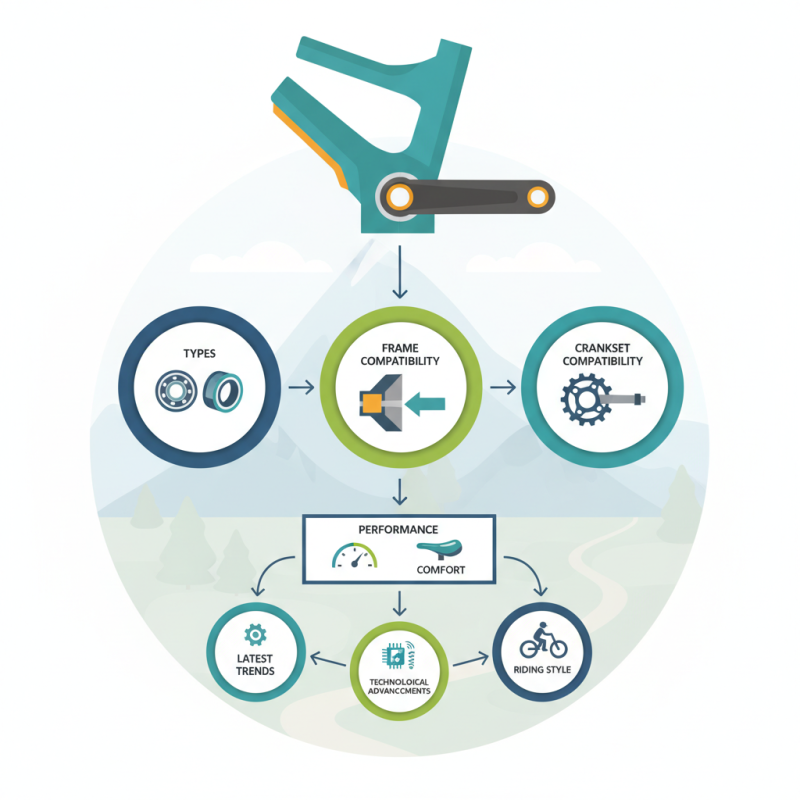
In this ultimate guide to choosing the right mountain bike bottom bracket, we'll delve into the factors that influence your decision process. From understanding different types of bottom brackets to assessing compatibility with your frame and crankset, it's essential to consider how these components interact to optimize your cycling experience. With the right knowledge and insights, you can make an informed choice that enhances both performance and comfort on the trails.
Join us as we explore the various options available in the market, shedding light on the latest trends and technological advancements in mountain bike bottom brackets. Whether you're an experienced rider or a beginner looking to upgrade, this guide will help you navigate through the complexities of bottom bracket selection, ensuring you find the perfect fit for your riding style and bike setup.
Understanding Mountain Bike Bottom Brackets: Types and Functions
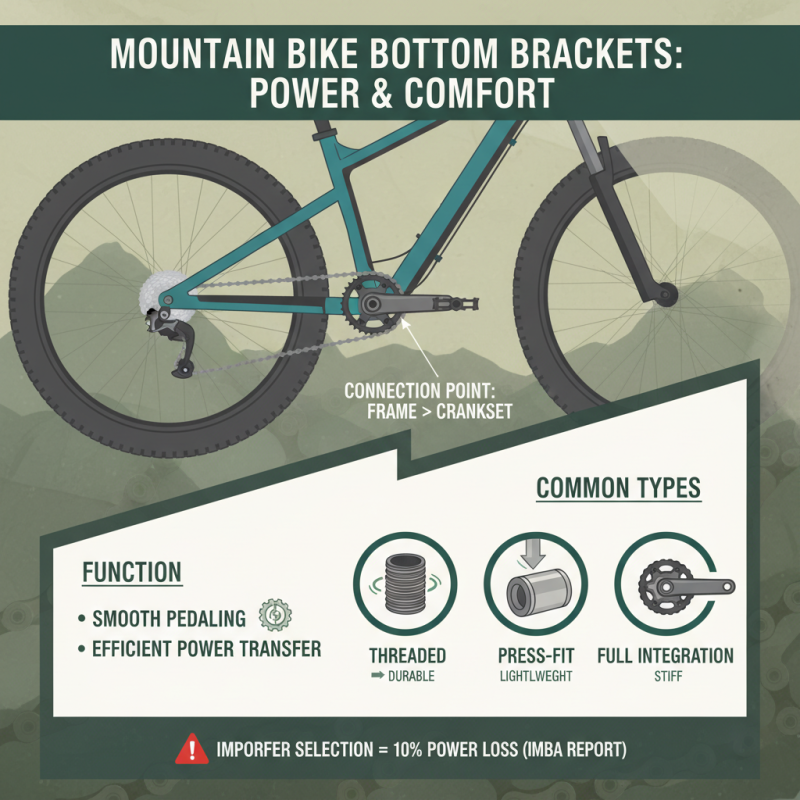
When choosing a mountain bike, understanding the function and types of bottom brackets is essential for optimizing performance and comfort. Bottom brackets serve as the connection point between the bike frame and the crankset, allowing for smooth pedaling and efficient power transfer. The common types include threaded, press-fit, and full integration models, each designed with specific attributes that can affect the bike's overall feel and ride quality. According to a report by the International Mountain Bicycle Association, improper bottom bracket selection can lead to significant power loss, with studies indicating that up to 10% of a cyclist's energy can be wasted due to inefficient drivetrain components.
When selecting a bottom bracket, consider the frame material and type of riding you plan to do. For instance, threaded bottom brackets are generally appreciated for their ease of installation and maintenance, while press-fit options can offer a lighter weight, which may be advantageous for competitive riders. Additionally, evaluating the bearing quality and shell width can lead to better longevity and performance.
**Tips:** Ensure you choose a bottom bracket that matches your crankset's specifications and frame design. A professional bike mechanic can assist in making the best choice tailored to your specific needs. Regular maintenance can also prevent premature wear, ensuring a smoother ride over time.
Key Factors to Consider When Choosing a Bottom Bracket
When selecting the right mountain bike bottom bracket, several key factors come into play. First and foremost, compatibility is crucial. It's essential to ensure that the bottom bracket fits your bike's frame and crankset. Different frames use various standards in terms of shell width and threading, making it vital to research and confirm these specifications before purchasing. Additionally, consider the type of crank you're installing, as this will also dictate the appropriate bottom bracket model.
Another significant factor is the material of the bottom bracket. Aluminum and plastic are common materials, each offering unique benefits in terms of weight, durability, and corrosion resistance. Aluminum provides strength and a lightweight option, while plastic is often more affordable and can reduce overall bike weight. Opting for sealed bearings can significantly enhance durability, especially in rough terrains where exposure to dirt and moisture is inevitable.
Tips: Always check for the bottom bracket's bearing type; the right choice can greatly affect your bike's performance and longevity. Furthermore, think about the maintenance aspect—some models require more upkeep than others, so selecting a low-maintenance option can save time and effort in the long run. Lastly, don’t overlook the installation process; ensuring you have the right tools or professional help can prevent damage and ensure optimal performance.
Compatibility: Matching Your Bike Frame and Crankset
When selecting the right bottom bracket for your mountain bike, understanding compatibility between your bike frame and crankset is crucial. Research indicates that approximately 50% of bike maintenance issues stem from improper component matching, leading to reduced performance and potential damage. The two primary considerations are the bottom bracket shell width and the flavor of the bottom bracket standard, such as BSA, PressFit, or Italian. Each type has specific dimensions and threading, which must correspond with both your bike frame and crankset specifications to ensure optimal performance.
Tips for ensuring compatibility include measuring the bottom bracket shell width accurately. Most modern mountain bike frames have shell widths ranging from 68mm to 92mm. Additionally, pay attention to the crank spindle diameter; common sizes include 24mm and 30mm. Using a caliper for measurements can significantly enhance precision and save time during installation.
Knowing your bike's intended use can also guide your choice. For aggressive trail riding, a stiffer bottom bracket may enhance power transfer, whereas a lighter option could benefit cross-country cyclists looking for efficiency. Regular checking and maintenance can ensure your bottom bracket remains compatible and functions smoothly, contributing to a more enjoyable riding experience and extending the life of your components.
Installation and Maintenance Tips for Bottom Brackets
Installing and maintaining a mountain bike bottom bracket is crucial for optimal performance and longevity of your bike. According to the Cycling Industry Institute, nearly 25% of all bike maintenance issues stem from improperly installed or maintained bottom brackets. To begin with, ensuring that you have the correct tools is essential. A bottom bracket tool designed specifically for your bike's bracket type will simplify the installation process. When installing, ensure that the surface is clean and free of debris to prevent any misalignment that could lead to issues down the road.
Once installed, regular maintenance is key to preserving the function of your bottom bracket. A study by the International Bicycle Fund highlights that cyclist-endorsed routine checks every six months can significantly increase the lifespan of your bottom bracket by up to 50%. During these checks, inspect for any play in the crank arms, which may indicate wear or improper installation. Additionally, it’s advisable to clean and lubricate the threads to prevent corrosion. By adhering to these installation and maintenance tips, you'll ensure a smoother ride and extend the life of this integral bike component.
Common Issues and Troubleshooting with Bottom Brackets
When it comes to mountain bike maintenance, the bottom bracket is often an overlooked component, yet it's crucial for smooth pedaling and overall bike performance. Common issues with bottom brackets can include creaking noises, stiffness in the pedal rotation, or a wobbling crankset. These problems can arise due to wear and tear, dirt accumulation, or improper installation. Regular inspections can help identify these issues early on, preventing more significant damage and ensuring a reliable ride.
Tips for troubleshooting a creaking bottom bracket include first ensuring the cranks are properly tightened. Loose components can cause noise that mimics a failing bottom bracket. Additionally, it’s important to clean the bottom bracket area with a degreaser to remove any built-up grime. If the issue persists, checking the alignment and condition of the bearings might be necessary to determine if replacement is needed.
Another common issue is the accumulation of dirt and moisture, which can lead to rust or corrosion. To combat this, consider regularly applying a protective grease to the threads and sealing areas. This simple maintenance step can significantly enhance the longevity of your bottom bracket, helping to keep your bike running smoothly on rugged terrains.
The Ultimate Guide to Choosing the Right Mountain Bike Bottom Bracket - Common Issues and Troubleshooting with Bottom Brackets
| Bottom Bracket Type |
Shell Width (mm) |
Common Issues |
Troubleshooting Tips |
| Threaded |
68mm - 73mm |
Loosening, creaking sounds |
Check tightness, apply threadlocker |
| Press Fit |
86.5mm - 92mm |
Excess play, noise |
Inspect seals, re-install with proper tools |
| BSA (British) |
68mm - 70mm |
Corrosion, stiffness |
Clean threads, use grease |
| Italian |
70mm |
Misalignment, wear |
Check alignment, replace if worn |
| BB30 |
68mm |
Play or movement |
Ensure proper fit, check for wear |