Top 2025 Tips for Choosing the Right Wheels and Bottom Bracket for Your Bike
Choosing the right wheels and bottom bracket for your bike is crucial for achieving optimal performance, comfort, and efficiency on the road or trail. With an array of options available in the market, it can be daunting to navigate through the specifications and features that might suit your individual riding style. Whether you're a casual commuter, a weekend warrior, or a competitive cyclist, understanding how these two components work together can significantly enhance your cycling experience.
Wheels and bottom bracket are often overlooked during the bike selection process, yet they play vital roles in the overall effectiveness of your ride. The wheels determine the bike's responsiveness, speed, and stability, while the bottom bracket affects pedaling efficiency and power transfer. By considering factors such as material, design, and compatibility, you can tailor your bike to meet your specific needs and preferences. In this article, we will explore essential tips and insights to help you make informed decisions when selecting the perfect wheels and bottom bracket for your biking adventure.
Factors to Consider When Selecting Bicycle Wheels
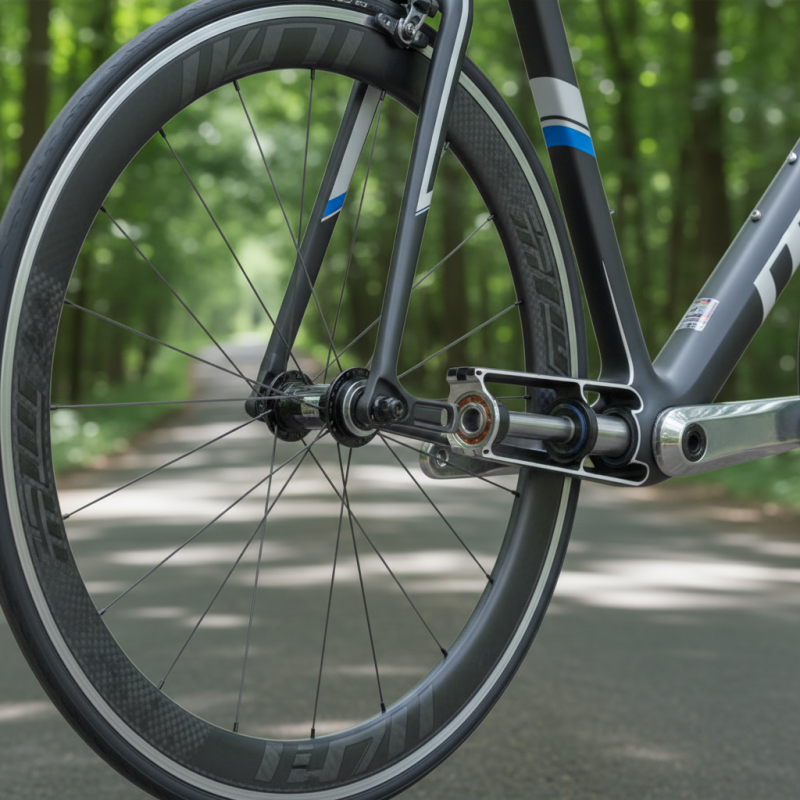
When selecting bicycle wheels, several critical factors come into play. First, consider the wheel size, as it significantly impacts ride characteristics and overall performance. According to a report from the International Cycling Union, common wheel sizes include 26 inches, 27.5 inches, and 29 inches, each serving different riding styles, from cross-country to downhill. Understanding your cycling discipline will help you make an informed decision that aligns with your needs.
Another essential aspect is the wheel material. Most high-performance wheels are made of aluminum or carbon fiber, each offering unique benefits. A study published in the Journal of Sports Engineering indicates that carbon wheels are lighter and provide better aerodynamics, making them ideal for racing. However, aluminum wheels tend to be more robust and cost-effective, serving recreational cyclists well.
**Tip:** When choosing wheels, assess your riding style and budget to determine the right material and size for your needs. Additionally, don't overlook the role of wheel weight; lighter wheels can enhance acceleration but may sacrifice durability.
Lastly, the wheel's internal width also affects tire performance. A wider rim allows for a larger tire volume, which improves traction and comfort. Industry statistics reveal that cyclists using wider rims are often able to run lower tire pressures, resulting in a smoother ride.
**Tip:** Experiment with different rim widths to find the best balance between speed and comfort tailored to your riding conditions.
Factors to Consider When Selecting Bicycle Wheels
Understanding Different Types of Wheels for Cycling
When selecting wheels for your bike, it's essential to understand the different types available, as they can significantly impact your cycling experience. Road bike wheels, for example, are typically lightweight and aerodynamic, designed for speed on smooth surfaces. They often feature a deep rim profile, which minimizes drag and enhances performance during long rides or races. In contrast, mountain bike wheels are sturdier and wider, built to withstand rough terrain and absorb shocks. These wheels ensure stability and control, allowing riders to tackle challenging trails with confidence.
Another important consideration is the material of the wheels. Aluminum is a common choice for many cyclists due to its balance of weight and durability, while carbon fiber wheels offer superior performance and weight savings for competitive cyclists. However, they tend to come at a higher price point. Additionally, rim depth plays a crucial role in the wheel's performance; deeper rims can enhance aerodynamics but may also increase wind resistance in crosswinds. Understanding these variations will help you make an informed decision based on your cycling style and the types of rides you plan to undertake.
Top 2025 Tips for Choosing the Right Wheels and Bottom Bracket for Your Bike
| Wheel Type |
Diameter (inches) |
Weight (grams) |
Material |
Best For |
| Aluminum |
26 |
1800 |
Aluminum Alloy |
Mountain Biking |
| Carbon Fiber |
29 |
1500 |
Carbon Composite |
Cross-Country Racing |
| Hybrid |
27.5 |
2000 |
Aluminum + Steel |
Commuting |
| Road |
700 |
1600 |
Aluminum |
Road Racing |
| Fat Wheel |
26 |
2200 |
Aluminum |
Snow and Sand Riding |
The Importance of Choosing the Right Bottom Bracket
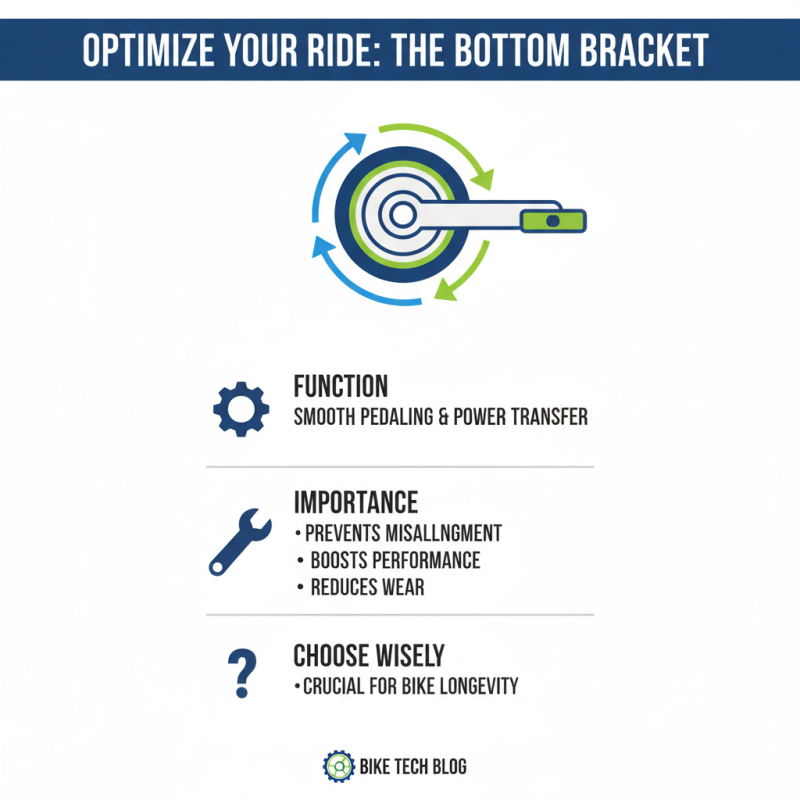
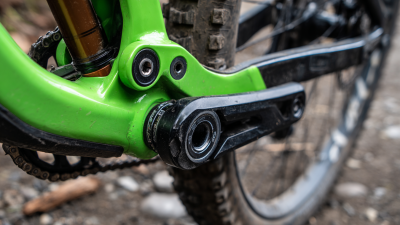
When it comes to optimizing your biking experience, the choice of the bottom bracket is pivotal. This often-overlooked component plays a crucial role in ensuring that your pedals turn smoothly and that the power generated by your legs is transmitted efficiently to the wheels. An inappropriate bottom bracket can lead to misalignment, reduced performance, and increased wear on the bike, emphasizing the need for careful consideration during the selection process.
One essential tip for choosing the right bottom bracket is to consider its compatibility with your frame and crankset. Different bikes have varying specifications, including the width of the bottom bracket shell and the type of crank interface. Make sure to carefully measure and confirm these specifications to avoid compatibility issues that can affect your ride. Additionally, be aware of the different standards available, as this can greatly impact performance and durability.
Another helpful tip is to evaluate the material and type of bottom bracket you decide to use. Options vary from traditional threaded units to modern press-fit designs, each with its advantages and disadvantages. Materials such as aluminum, steel, or polymer can affect the weight and longevity of the component. Choosing wisely based on your riding style and preference will ensure improved efficiency and enjoyment on the trails or roads ahead.
Compatibility Between Wheels and Bottom Brackets
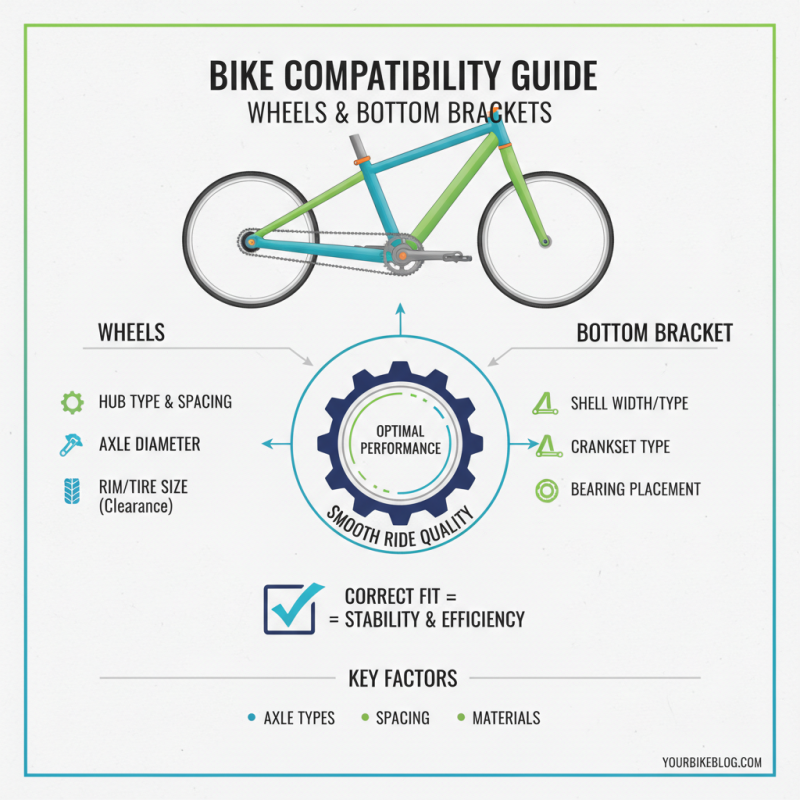
When selecting wheels and bottom brackets for your bike, compatibility is paramount. The interplay between these two components affects not only the bike's performance but also its overall ride quality. Ensuring you have the right fit means closely examining factors such as axle types, spacing, and construction materials. For instance, the hub dimensions of the wheels must align with the bottom bracket specs to avoid any issues during installation or while riding. This alignment helps maintain the integrity of the bike's drivetrain and wheel stability, leading to a smoother cycling experience.
Another crucial aspect is understanding the standards that govern wheel and bottom bracket compatibility. Different bikes utilize various standards that define spacing and sizing, such as the type of crankset employed and the width of the rear dropouts. Riders should familiarize themselves with these specifications to prevent mismatches that could hamper performance or cause mechanical failures. Additionally, considering the intended use of the bike—whether for racing, commuting, or mountain biking—can guide appropriate choices in wheels and bottom brackets, ensuring that they work synergistically for the desired cycling experience.
Maintenance Tips for Your Wheels and Bottom Bracket
Maintaining your bike's wheels and bottom bracket is essential for ensuring a smooth ride and prolonging the lifespan of your components.
Regular inspections are key. Check your wheels for any signs of damage,
such as bent rims or loose spokes, and tighten any loose spokes promptly to maintain wheel integrity. Keeping your wheels clean will
prevent dirt and debris from causing premature wear on the bearings.
Another critical aspect of maintenance is the bottom bracket. Regularly lubricating the bottom bracket can prevent rust and ensure
smoother pedaling. Listen for any unusual noises when pedaling, as this could indicate an issue with the bottom bracket.
If you hear creaking or grinding, it may be time for a thorough cleaning and re-greasing,
or possibly even a replacement.
Tip: Establish a routine maintenance schedule, ideally every few months, to check your wheels and bottom bracket.
A consistent approach not only keeps your bike in top shape but also helps you catch
potential problems early. With proper care, your bike will deliver the performance you expect on every ride.