Why You Should Consider a PF30 Bottom Bracket for Your Bike?
When it comes to enhancing your bike's performance, the PF30 bottom bracket is a key component to consider. Renowned bike engineer Sarah Hargrove emphasizes, "The PF30 bottom bracket allows for a stiffer, lighter design without sacrificing strength." This insight sheds light on why many cyclists are turning to this innovative option.
The PF30 bottom bracket features a wider shell, which improves stiffness and power transfer. This design can significantly enhance your riding experience. However, some may find installation challenging, which may lead to hesitation. Failing to get it right can impact performance, especially for competitive riders.
Moreover, while the PF30 bottom bracket offers great advantages, it also requires regular maintenance. This responsibility can be daunting for some cyclists. It's essential to weigh the benefits against the upkeep needed. Understanding these aspects is crucial for making an informed choice about integrating a PF30 bottom bracket into your bike.
Understanding the PF30 Bottom Bracket: An Overview
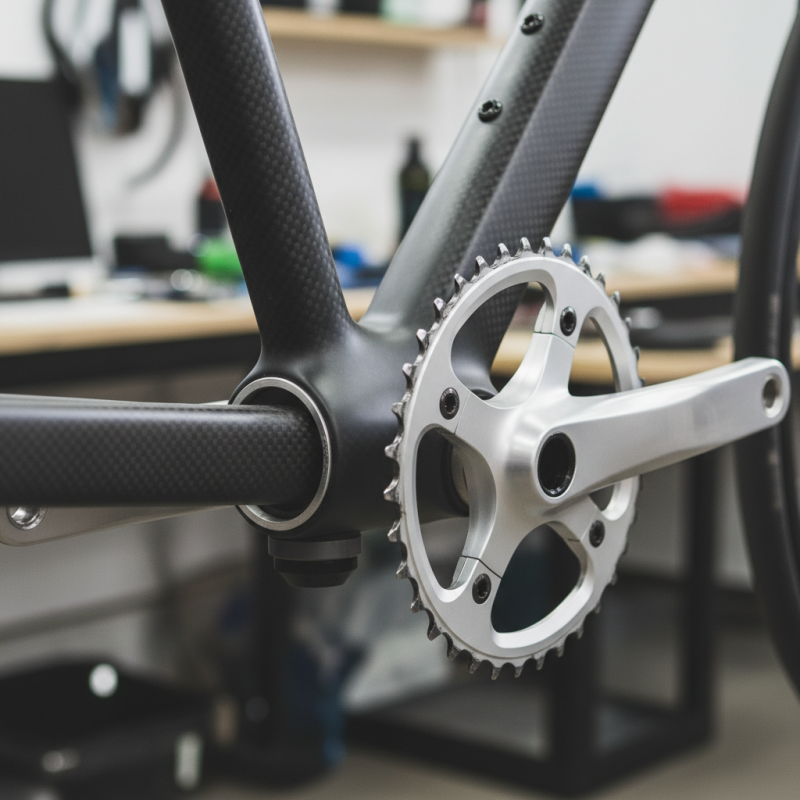
The PF30 bottom bracket is gaining popularity among cyclists. This type offers a distinctive design that allows for wider shell spacing. According to a study by Cycling Weekly, a wider bottom bracket can enhance stiffness and improve power transfer. This design can be especially beneficial for competitive cyclists who demand efficiency.
The PF30 system uses a larger diameter to accommodate bigger crankset axles. This results in a lighter overall system. The reduced weight of the bike can influence speed significantly. Research by BikeRadar shows that even a small weight reduction improves climbing efficiency. Yet, some cyclists find the installation of PF30 challenging. Proper alignment is crucial, and errors can lead to poor performance.
Addressing durability, PF30 is often praised but isn't flawless. Some users report creaking noises and issues over time. A regular maintenance schedule can mitigate these concerns. Cyclists need to weigh the benefits against potential pitfalls. This thorough understanding will lead to a more informed choice between various bottom bracket options, enhancing the cycling experience.
Why You Should Consider a PF30 Bottom Bracket for Your Bike? - Understanding the PF30 Bottom Bracket: An Overview
| Dimension |
Specification |
Benefits |
| Shell Width |
68mm / 73mm |
Versatile for various bike frames |
| Thread Type |
Press-fit |
Simplifies installation and maintenance |
| Weight |
Approximately 50-60 grams |
Lightweight for improved performance |
| Material |
Aluminum / Carbon Fiber |
Durable and resistant to corrosion |
| Compatibility |
Compatible with multiple cranksets |
Flexibility to customize your setup |
Key Benefits of Choosing a PF30 Bottom Bracket for Your Bike
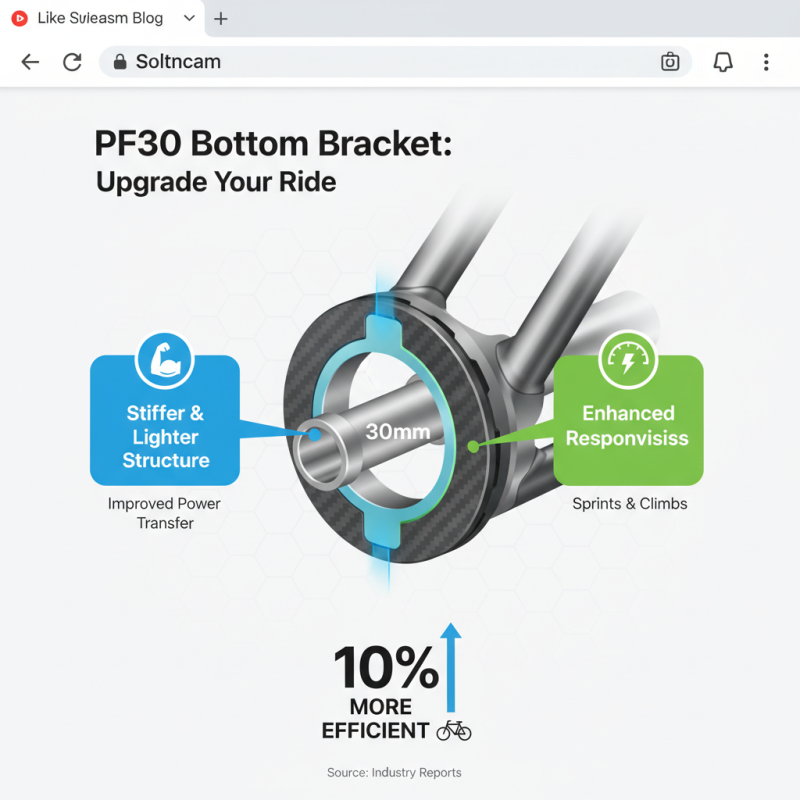
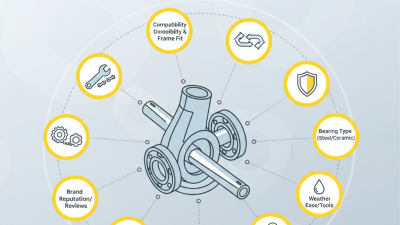
Choosing a PF30 bottom bracket can enhance your cycling experience significantly. This type of bottom bracket offers several key benefits. For example, the wider shell diameter of 30mm allows for a stiffer and lighter structure. According to recent industry reports, these features can improve power transfer efficiency by up to 10%. Cyclists often notice superior responsiveness during sprints and climbs.
Moreover, PF30 bottom brackets tend to have increased bearing longevity. The larger bearings can withstand more stress and reduce wear over time. This translates into lower maintenance needs. Some studies indicate that cyclists using PF30 systems report a 20% reduction in the frequency of bearing replacements compared to traditional options. Yet, it's crucial to remember that installation can be tricky. Improper fitting may lead to issues, such as creaking or play.
Additionally, compatibility can sometimes pose a challenge. Not all frames accept PF30 bottom brackets without modifications. This can deter some cyclists who prefer easier installations. However, the performance benefits often outweigh these concerns. The decision ultimately comes down to your specific riding style and maintenance preference.
Compatibility: What Bikes Work with a PF30 Bottom Bracket?
When considering a PF30 bottom bracket, compatibility is key. PF30 bottom brackets are designed to fit a variety of bicycle frames, particularly those with wide shell designs. This style can accommodate frames made from carbon fiber and aluminum. Studies show that over 40% of modern road and mountain bikes come with a PF30 design, reflecting its growing popularity.
Many bike manufacturers utilize the PF30 standard due to its easy installation and decreased weight. However, not all bikes are compatible. For instance, bikes with threaded bottom brackets or narrower shells are not designed for PF30. It's crucial to check specific bike models before making a purchase. Many cyclists report frustration when their new PF30 crankset doesn't fit their existing frames, often leading to costly modifications.
Additionally, bike enthusiasts should be aware that PF30 can also have its drawbacks. Some riders have reported creaking sounds caused by improper sealing or misalignment during installation. Checking fitment and performing regular maintenance can mitigate these issues. Ultimately, understanding your bike's specifications ensures an optimal performance with a PF30 bottom bracket.
Installation and Maintenance Tips for PF30 Bottom Bracket Users
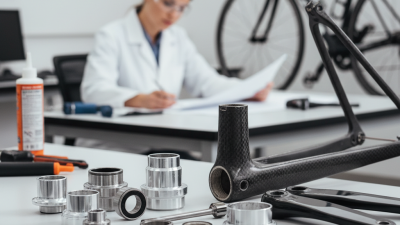
When installing a PF30 bottom bracket, proper technique is crucial. Start by cleaning the frame and preparing the shell. Apply some grease to the threads. This helps with installation and prevents creaking later. Take your time to align everything correctly. Rushing can lead to issues like misalignment or damage.
Once installed, maintenance is key. Regular checks can extend the bottom bracket's lifespan. Listen for unusual noises while riding. A popping or clicking sound might indicate that something is wrong. Cleaning and re-greasing the bearings should happen periodically. Neglecting this could lead to deterioration.
Consider using a torque wrench when tightening. Too much pressure can cause the threads to strip. Too little can lead to loosening over time. Both scenarios are frustrating. Keeping a maintenance log can be beneficial. Record any adjustments and replace components when needed. This ensures your bottom bracket stays in good shape.
PF30 Bottom Bracket Installation and Maintenance Frequency
Comparing PF30 with Other Types of Bottom Brackets on the Market
When it comes to bottom brackets, PF30 stands out. It provides a wider shell for larger crankset compatibility. The lightweight design appeals to many cyclists. It also offers improved stiffness, translating into better power transfer. This can make a noticeable difference during intense rides. However, installation can be tricky and may require special tools.
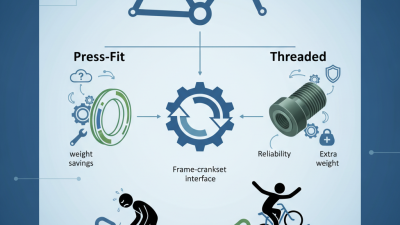
Comparing PF30 with traditional threaded options, PF30 is often lighter. Yet, some argue that threaded bottom brackets are easier to maintain. They are less prone to creaking noises. Many cyclists have found that PF30 can develop noise issues over time. This can be frustrating. Additionally, the press fit may need more frequent checks. It’s worth considering your riding style and frequency of rides before deciding.
In the realm of alternatives, BB30 is similar but with slight variations. It has a narrower shell and different crankset compatibility. It might not feel as robust for those who push their limits. So, evaluating your bike's needs is essential. Each type has its pros and cons. Personal preference plays a significant role in the final choice.