10 Tips for Buying Shoulder Decoration Plush Globally?
Buying shoulder decoration plush across borders looks simple until small details affect quality, safety, and delivery. A soft mascot may appear charming in a product photo, yet its stitching, filling, attachment method, and weight can differ greatly in person. Global buyers need more than attractive designs. They need reliable evidence from suppliers, clear product specifications, and practical checks before placing an order.
This guide presents 10 useful tips for comparing Shoulder Decoration Plush from international manufacturers and wholesalers. It considers fabric feel, embroidery accuracy, clasp strength, odor, packaging, sample approval, and supplier communication. Ask for close-up photographs and a physical sample when possible. Request material details, production records, and test documents relevant to the destination market. Requirements can vary by country, so buyers should confirm current rules with qualified local authorities or customs professionals. Do not rely on a supplier’s general promise of compliance.
Small details matter. A plush charm that weighs too much may pull on clothing. A weak clip may fall during daily movement. A loose thread can spoil an otherwise excellent batch. Shipping costs, minimum order quantities, currency changes, and return terms also deserve careful review. Even experienced buyers miss hidden costs sometimes. That is why written quotations and staged quality checks remain valuable. The advice here combines practical purchasing experience, supplier evaluation methods, and risk-aware planning. It is not perfect, but it can help buyers make calmer, better-informed decisions when selecting Shoulder Decoration Plush globally.
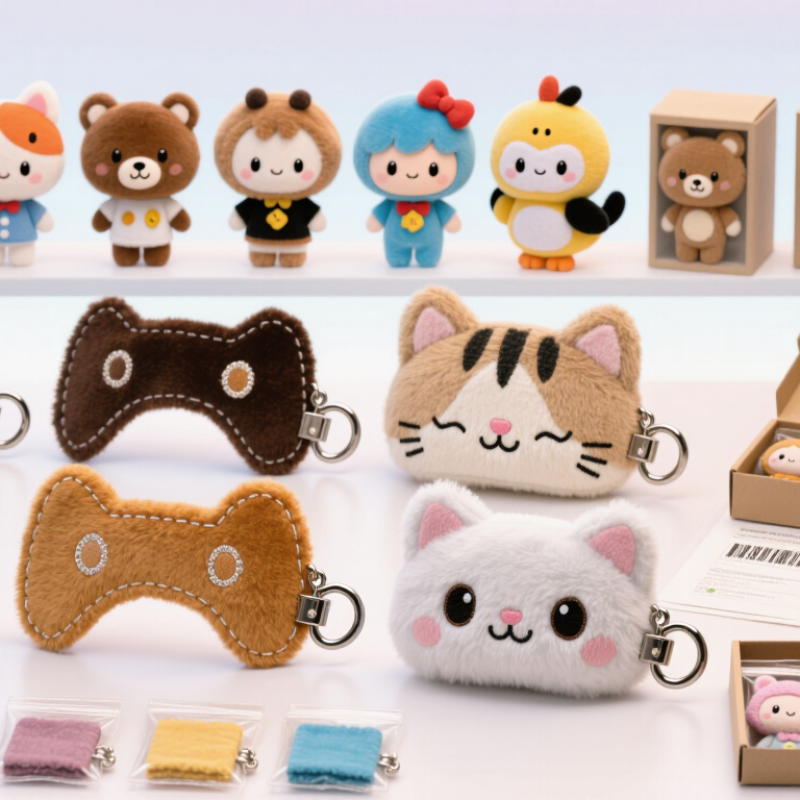
Define the Purpose and Style of Shoulder Decoration Plush
Define the Purpose and Style of Shoulder Decoration Plush
Before comparing fabrics or prices, decide what the plush should do. Is it a costume accent, a bag accessory, a collectible, or a soft comfort item? Each purpose changes the ideal size, attachment method, and filling. A costume piece may need a lightweight clip and firm stitching. A comfort plush needs softer fabric and fewer hard components. Small details matter.
Style should match the user’s setting. A pastel animal may suit casual clothing, while a compact fantasy figure may work better for conventions or themed events. Grand View Research estimates that the global plush toys market will expand steadily through 2030, supported by collectible demand and character-focused designs. However, popularity does not guarantee usefulness. A large plush can look impressive online but pull down a shoulder strap in daily use.
Check the silhouette from the side. Does it block movement? Can the clip open with one hand? The International Trade Administration notes that toy buyers increasingly consider safety, labeling, and age suitability in cross-border purchasing. Review fiber content, attachment strength, and care instructions before ordering. Avoid vague descriptions. A common mistake is choosing appearance over comfort. That choice may feel disappointing after one afternoon of wear. Even a charming design needs practical testing, and product photos cannot show every weak seam.
Compare Materials, Craftsmanship, and Safety Standards
10 Tips for Buying Shoulder Decoration Plush Globally
Material choice affects comfort, durability, and safety. Polyester plush usually dries quickly and keeps its shape after repeated handling. Cotton feels breathable, but it may shrink or hold moisture. Recycled fibers can reduce virgin material use, yet their quality varies by supplier. Ask for fiber composition, colorfastness results, and cleaning instructions. A soft surface can mislead.
Inspect the stitching closely. Seams should be even, dense, and free from loose threads. Check straps, clips, eyes, embroidery, and stuffing access points by hand. Small detachable parts can create serious risks. The U.S. Consumer Product Safety Commission recorded about 231,900 toy-related emergency-room injuries among children under 14 in 2023. That figure makes construction details impossible to ignore. My own mistake was trusting attractive photos before checking attachment strength.
Request evidence against relevant standards, such as ASTM F963, EN 71, or ISO 8124, according to the destination market. These frameworks address mechanical hazards, flammability, migration of certain chemicals, and accessible components. The European Commission’s Safety Gate reports repeatedly place toys among frequently notified product categories, showing why paperwork matters. Look for batch-specific test reports, not only a general certificate. Verify the laboratory, testing date, product code, and age grading. Recheck packaging translations and warning labels. Standards differ. They also change.
Typical Moisture Regain of Common Plush Materials
Moisture regain indicates how much moisture a fiber can absorb relative to its dry weight. Polyester is commonly used for shoulder decoration plush because it absorbs little moisture and dries quickly, while cotton and wool require more careful drying and storage. Material performance does not confirm product safety: buyers should also request applicable compliance documentation such as EN 71, ASTM F963, or ISO 8124 test reports.
Reference values: typical textile-fiber moisture regain figures reported in standard textile engineering references; values can vary by fiber treatment and environmental conditions.
Check International Shipping, Taxes, and Import Requirements
Buying a shoulder decoration plush internationally requires more than comparing prices. Check whether the seller ships to your exact country and postal code. Delivery to a capital city may differ from delivery to a rural address. Ask for tracked shipping, estimated transit time, and the carrier’s handling fees. Keep records.
Taxes can change the final price. Customs authorities may collect import duty, value-added tax, or regional sales tax. These charges are often separate from checkout costs. Request a clear commercial invoice showing the item description, quantity, value, and shipping fee. A vague description can delay clearance. Small item, complicated route.
Confirm the correct customs classification with the seller and your local customs office. Rules may depend on the plush’s fabric, filling, attached parts, and intended use. Check labeling requirements, especially fiber content and care instructions. Some destinations also require safety information for products worn near children, even when the item is decorative. Policies change, so consult official government sources rather than relying only on a marketplace message. I once focused too closely on shipping speed and overlooked return costs; that was an expensive lesson. Review the return procedure before paying, including who handles duties after rejection or damage. Save screenshots of the listing, invoice, and delivery promise. If the seller cannot explain import documents clearly, pause the order and verify the details independently.
Verify Quality Through Samples, Reviews, and Clear Policies
When buying shoulder decoration plush across borders, treat a sample as evidence, not decoration. Request close photos of the fabric, seams, clips, and stuffing. Ask for a physical sample when the order value is significant. Check whether the clip holds firmly on a jacket or backpack strap. Rub the surface lightly to notice shedding, loose threads, or color transfer. Measure the item yourself. Product photos can make small plush decorations look larger than they are.
Reviews should show practical use, not only cheerful comments. Look for recent buyer photos taken in daylight. Pay attention to uneven stitching, flattened filling, weak attachments, and differences in size. A review mentioning careful packaging can be more useful than a perfect rating. I once trusted polished images and ignored repeated complaints about loose threads. That was a mistake. Review patterns matter more than one impressive comment.
Clear policies protect both sides. Confirm the accepted payment methods, production time, shipping estimate, and tracking process. Ask who handles damage reported after delivery. Check the return window, refund conditions, and responsibility for international delivery charges. Confirm whether personalized items can be returned. Keep written answers and inspect the parcel before removing labels. Policies may sound clear until something goes wrong. A simple question before payment can prevent an expensive misunderstanding.