Why Are Kids Games Important for Development and Learning?
Kids Games play a crucial role in children's development and learning. According to the American Academy of Pediatrics, play is essential for cognitive, social, and emotional growth. Engaging in games helps children enhance critical thinking and problem-solving skills. Expert Dr. John W. McCarthy, a leading child development specialist, emphasizes, "Kids games are not just fun; they are foundational for a child’s learning journey."
Research from the National Institute for Play highlights that through games, kids learn cooperation and communication. These skills are vital in building relationships and navigating social settings. However, some parents overlook the importance of playtime, focusing instead on conventional education. This approach can hinder children's holistic development.
In a world increasingly driven by technology, balancing screen time with physical games is essential. Kids need to engage in activities that stimulate their creativity and imagination. While digital games can offer benefits, traditional kids games still provide unmatched opportunities for interaction. We must remember the importance of creating opportunities for play in our children's lives.
The Role of Play in Early Childhood Development
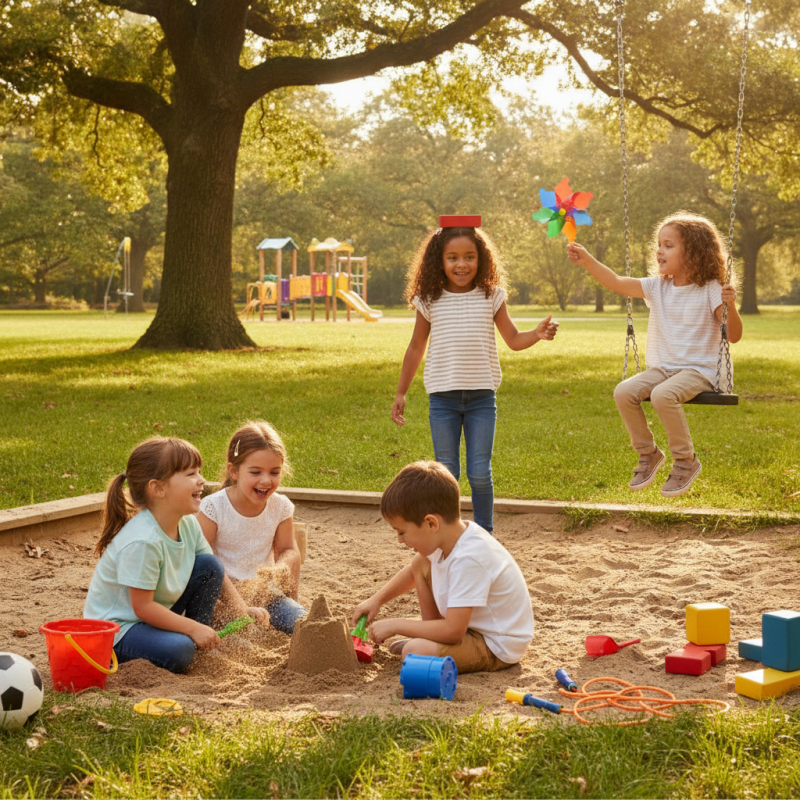
Play is a vital part of early childhood development. Research shows that approximately 90% of a child’s brain develops by age five. During this formative stage, children learn critical skills through play. They explore the world, test their boundaries, and develop social connections.
Engagement in games enhances cognitive abilities. According to a study by the American Academy of Pediatrics, play-based learning boosts problem-solving skills and fosters creativity. Activities like role-playing or building blocks encourage abstract thinking. Children learn to collaborate, share, and resolve conflicts during these interactions. However, access to unstructured playtime is decreasing in some communities, raising concerns about developmental delays.
Physical play is equally important. The World Health Organization recommends at least one hour of active play each day for children aged 3 to 5. This promotes not only physical health but also improves emotional well-being. Yet many children are spending more time in front of screens. This shift could limit their development and increase anxiety.
Through games, children learn to navigate their emotions, understand empathy, and seek solutions. Yet, too much structured activity can stifle creativity. Child development experts advocate for a balance of guided and free play. Encouraging this balance can help ensure children develop resilience and adaptability.
Types of Games that Foster Learning in Kids
Kids games play a crucial role in their development. Through gameplay, children learn critical skills. Different types of games target various aspects of learning. Role-playing games encourage creativity and social skills. Kids step into different roles and explore new perspectives. It can be enlightening, but some children may struggle with collaboration.
Another effective type of game is board games. These require strategic thinking and problem-solving. Children learn to plan their moves and think ahead. The interaction with peers also enhances communication skills. Yet, not all kids enjoy these games. Some may find them too complex or frustrating, leading to disengagement.
Physical games are equally important. Activities such as tag or obstacle courses improve motor skills. They also promote teamwork and physical health. However, safety is a concern. Kids may get hurt if they do not understand the rules. Balancing fun with safety is essential for effective learning.
Overall, the right kinds of games foster learning and development in various ways. Each game has its strengths and weaknesses. Encouraging children to explore different game types can help them discover their interests.
Cognitive Benefits of Engaging in Games
Engaging in children's games has significant cognitive benefits. Studies show that play enhances problem-solving skills and critical thinking. According to the American Academy of Pediatrics, kids learn best through play. The interactive nature of games encourages active learning and creativity.
Games improve memory and attention span. A report from the National Association for the Education of Young Children indicates that children involved in structured play demonstrate better focus in school. For instance, a child who plays strategy games often develops skills in planning and foresight. These skills are critical in academic settings.
However, not all games are equally beneficial. Excessive screen time can have negative effects on social skills and emotional health. Balance is key; kids need a mix of active, engaging games and downtime. Parents should scrutinize the games their children play, ensuring they are developmentally appropriate.
Importance of Kids Games for Development and Learning
Social Skills Development through Group Play
Group play is essential for children’s social skills development. According to a report from the American Academy of Pediatrics, children learn to communicate, collaborate, and resolve conflicts during these interactions. Through games, they practice sharing and taking turns, which builds empathy and trust among peers. These experiences are invaluable for their social growth.
Moreover, studies show that children who engage in regular group play demonstrate better emotional regulation. The Journal of Educational Psychology found that collaborative activities enhance problem-solving skills and creative thinking. During play, kids often face challenges that require teamwork, leading to a stronger sense of belonging. It also fosters resilience, as children learn to cope with wins and losses.
However, not all group play experiences foster positive development. Poorly structured play can lead to frustration or exclusion. It is crucial that caregivers and educators create an inclusive environment. They need to monitor interactions and encourage healthy communication. Reflecting on the dynamics of play can help improve these experiences, ultimately aiding children’s growth in social competencies.
Physical Health and Motor Skill Acquisition in Children's Games
Children's games play a crucial role in physical health and motor skill development. Engaging in active play helps kids build strength and coordination. Running, jumping, and climbing enhance their body awareness. These physical activities also contribute to cardiovascular health. However, many kids today face challenges in maintaining active lifestyles.
In games, children refine essential motor skills like catching, throwing, and balancing. For instance, playing tag requires quick reflexes and agility. Despite their importance, not all children have equal access to safe play spaces. Urban environments may lack adequate parks. This can hinder opportunities for outdoor play. Moreover, the rise of screen time affects their physical activity levels.
Despite these challenges, the benefits of play cannot be overstated. Playful interactions foster social skills, too. Kids learn teamwork and communication while engaging in group games. However, caretakers often underestimate the value of unstructured play. Making time for regular physical play should be a priority. Encouraging outdoor activities can significantly impact children's overall well-being.
Why Are Kids Games Important for Development and Learning? - Physical Health and Motor Skill Acquisition in Children's Games
| Game Type | Key Skills Developed | Physical Benefits | Age Group | Social Interaction |
| Tag Games | Speed, Agility, Coordination | Improves cardiovascular health | 3-8 years | Encourages teamwork and communication |
| Ball Games | Hand-eye Coordination, Balance | Strengthens muscles and bones | 5-12 years | Builds friendships and social skills |
| Obstacle Courses | Problem Solving, Coordination | Enhances physical fitness and flexibility | 4-10 years | Promotes collaboration |
| Dancing Games | Rhythm, Coordination, Self-expression | Enhances cardiovascular health | 3-12 years | Encourages social bonding |
| Team Sports | Strategy, Teamwork, Discipline | Boosts endurance and strength | 6-14 years | Fosters leadership skills |