Why Do You Need the Right MTB Bottom Bracket for Your Bike?
Selecting the right MTB bottom bracket can significantly impact your cycling experience. Renowned bike mechanic Tom Baugh emphasizes, "The bottom bracket is the heart of your bike's performance." This truth underlines the importance of choosing a quality MTB bottom bracket for optimal efficiency.
A compatible MTB bottom bracket not only ensures proper fit but also enhances power transfer during rides. Without this, riders may experience unnecessary friction or lack of stability. For instance, while a budget option might seem tempting, it often leads to more frequent replacements. This scenario can compromise your bike's overall performance.
Additionally, consider that different riding styles demand specific bottom bracket types. Trail riders might prioritize durability, while racers need lightweight options. It's essential to reflect on your riding needs, as the wrong choice can lead to regrettable rides. A well-chosen MTB bottom bracket can elevate your cycling experience, while a poor selection could hinder it.
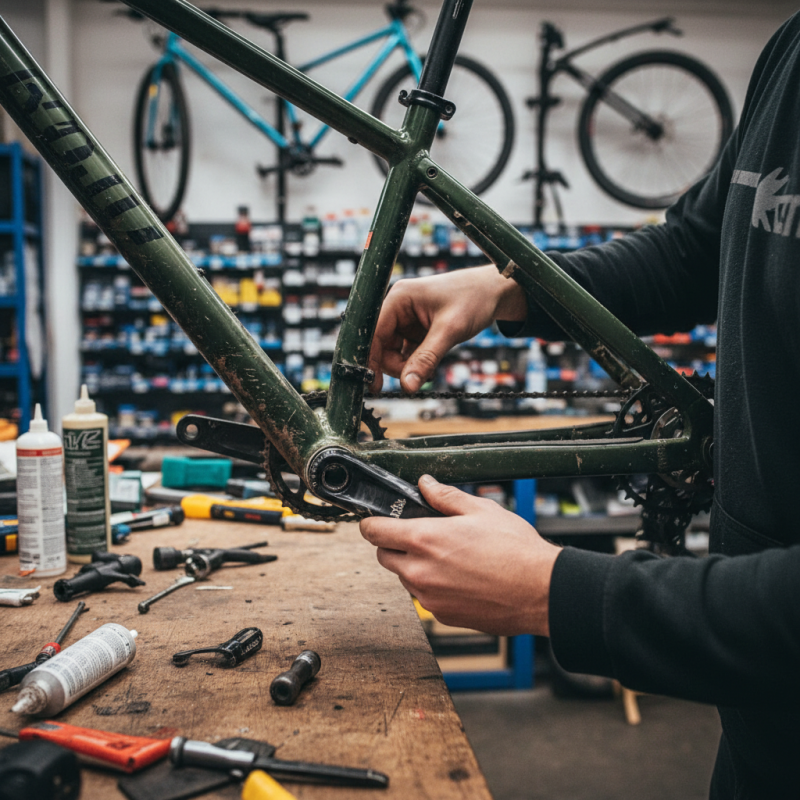
Understanding the Functionality of MTB Bottom Brackets
MTB bottom brackets play a crucial role in the overall performance of your bike. They connect the pedal assembly to the bike frame and allow the crank to rotate smoothly. Understanding their functionality can greatly enhance your riding experience. A strong, reliable bottom bracket ensures efficient power transfer from your legs to the pedals. When this connection is compromised, it can lead to discomfort and decreased control while riding.
Different types of bottom brackets suit various riding styles and conditions. For instance, some are designed for lightweight performance, while others provide durability for rough terrains. A wrong choice may cause issues like creaking sounds or premature wear. Regular checks can help identify signs of failure. Even the best components require maintenance. This aspect of biking often gets overlooked, leading to frustrating rides.
Fitting the right bottom bracket can be a complex task, influenced by frame design and crank specifications. Riders may overlook these details, leading them to make uninformed decisions. Researching and consulting with experts can help avoid these pitfalls. Each ride offers lessons, and sometimes, the choice made isn’t the best. Embracing this uncertainty is part of being a cyclist.
Types of MTB Bottom Brackets Available on the Market
Choosing the right mountain bike (MTB) bottom bracket is crucial. Different types are available, each influencing your bike's performance. Understanding these types helps riders make informed choices.
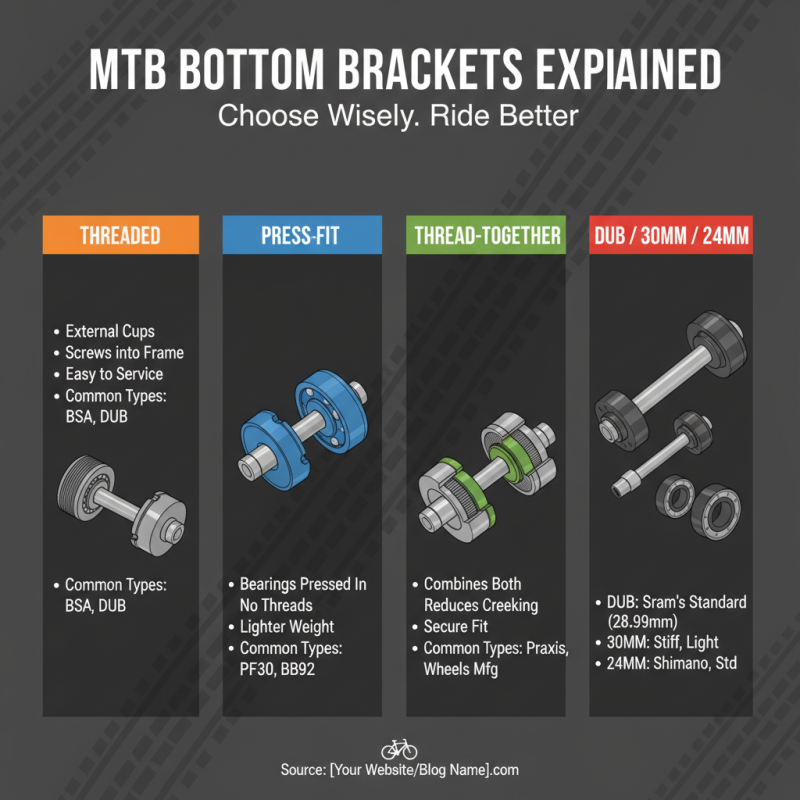
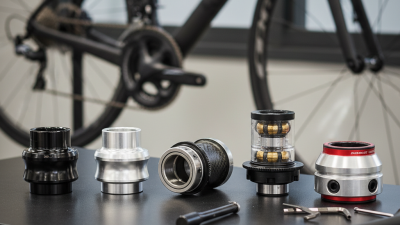
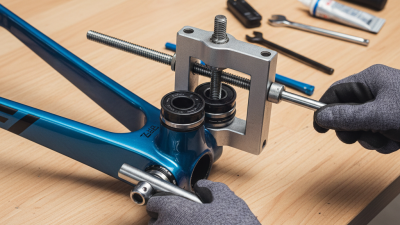
There are a few common varieties of MTB bottom brackets. Threaded bottom brackets are popular for their ease of installation and maintenance. They screw directly into the bike frame, which often leads to a secure fit. Press-fit bottom brackets, on the other hand, offer a weight-saving advantage. They require a special tool for installation but provide a stiffer feel during rides. Each design has benefits, but also potential drawbacks.
Not every bike suits every bottom bracket type. Some riders may find issues with compatibility. An improper fit can lead to creaking or excess play in the pedals. This can be frustrating, affecting ride quality. It's wise to consider these factors when selecting a bottom bracket. Make sure to do your research. Your riding style and preferences matter greatly in this decision.
Impact of Bottom Bracket Choice on Bike Performance
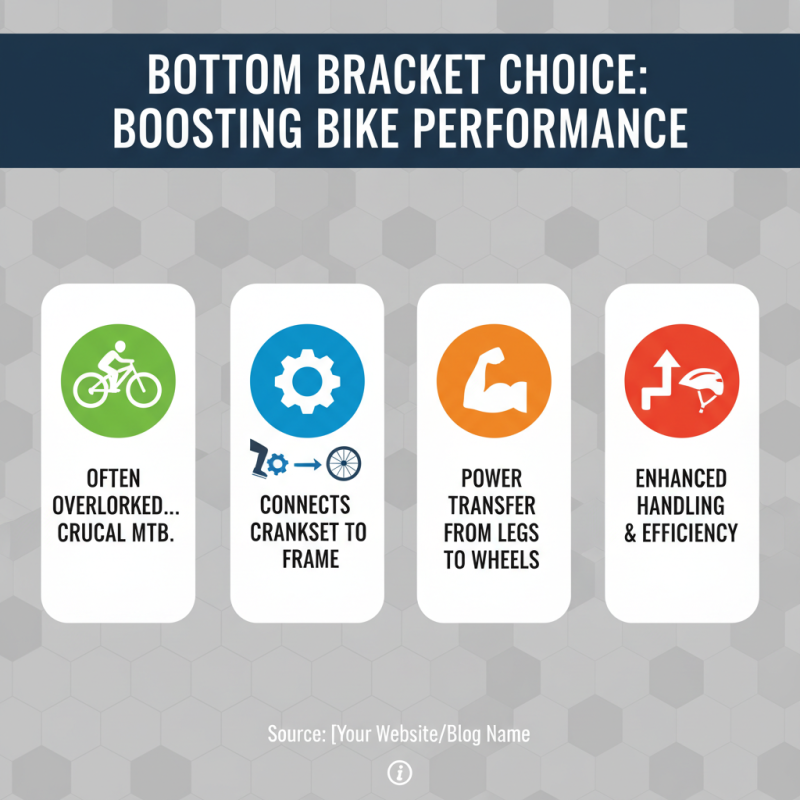
When discussing mountain biking, the bottom bracket is often overlooked. However, it plays a crucial role in performance. A well-chosen bottom bracket can enhance bike handling and efficiency. It connects the crankset to the bike frame. This connection affects how power is transferred from your legs to the wheels.
Different types of bottom brackets exist, each influencing ride dynamics. A wider or stiffer bottom bracket can improve power transfer. This might lead to faster climbs and better descents. But, a bottom bracket that’s too heavy or poorly aligned can hinder performance. It’s essential to find a balance. Sometimes, the perfect fit may not exist, leading riders to experiment with several options.
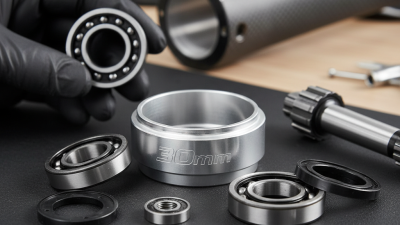
Riders often underestimate the impact of bearing quality. High-quality bearings can reduce friction and increase durability. However, they also require maintenance. Ignoring this can lead to wear over time. Finding the right bottom bracket requires patience and knowledge. This choice affects riding experience significantly. So, invest time in understanding your options.
Key Factors to Consider When Selecting a Bottom Bracket
Selecting the right mountain bike (MTB) bottom bracket is crucial for your riding experience. Several key factors come into play when making this decision. The bottom bracket type should match your bike frame and crankset. Compatibility ensures a smooth ride and reliable performance. Dimensions, such as shell width and inner diameter, are vital for fit.
When choosing, consider the material of the bottom bracket. Aluminum is lightweight, while steel offers durability. Each material has pros and cons based on your riding style and terrain. A heavier component may affect performance. Think about your bike's intended use. Every ride can demand different qualities.
Tip: Always measure your bike's specifications before making a purchase. A quick check can save you time and money.
Additionally, consider the installation process. Some bottom brackets may require special tools. This could lead to troubleshooting headaches. It’s wise to reflect on your mechanical skills before diving in.
Tip: If you're unsure, consult with a local bike shop. Experts can guide you based on your needs and preferences. Don't rush this choice; it can greatly impact your biking experience.
Why Do You Need the Right MTB Bottom Bracket for Your Bike? - Key Factors to Consider When Selecting a Bottom Bracket
| Factor |
Description |
Importance |
Examples |
| Compatibility |
Ensure the bottom bracket fits the bike frame and crankset specifications. |
High |
Threaded, Press-fit |
| Material |
The material affects weight, durability, and stiffness. |
Medium |
Aluminum, Steel, Carbon |
| Bearing Type |
Different bearings can change the ride feel and maintenance needs. |
High |
Sealed, Hybrid |
| Weight |
The weight of the bottom bracket influences the overall bike weight. |
Medium |
Lightweight options, standard options |
| Maintenance |
Some bottom brackets require more frequent service than others. |
High |
Easier to maintain vs. complex systems |
Maintenance Tips for Prolonging the Life of Your Bottom Bracket
Maintaining your mountain bike's bottom bracket is crucial for optimal performance. Regular checks can identify wear and tear before it leads to major issues. Start by inspecting for unusual noises or irregular movements. If you notice these symptoms, it might be time to clean or replace components.
Cleaning is not just a quick wipe down. Use degreasers and brushes to remove grime. Pay attention to the seal area; dirt accumulates there often. After cleaning, apply a suitable bike lubricant. This helps reduce friction and protects against corrosion. Remember, it’s not just about the inner workings; the way your bottom bracket interacts with the frame is just as important.
Don’t skimp on periodic professional inspections. Even the best maintenance at home can overlook specific issues. A mechanic can provide insights that may not be obvious to you. Go for a full check at least once a year. This small investment can prolong your bottom bracket’s life significantly. Even well-maintained, components may need replacing after extensive use. Keeping your bike in top shape is an ongoing journey.
Importance of Maintenance for MTB Bottom Brackets