What is a Padel Training Machine and How Does It Work?
In the evolving world of sports, the Padel training machine has emerged as a game-changer. This innovative device offers players the opportunity to enhance their skills, improve their reflexes, and practice various techniques efficiently. As renowned Padel coach Juan Carlos Ferrero states, “A Padel training machine is an essential tool for players who want to take their game to the next level.” This insight sheds light on the device’s significance in training and development.
A Padel training machine replicates the dynamics of real play. It serves as a reliable partner for solo practice. Players can customize shot types, speeds, and intervals. This adaptability allows them to focus on their weaknesses. However, relying solely on machines may lead to neglecting the importance of live practice. Balance is key to growth.
Integrating a Padel training machine into regular practice sessions can yield substantial benefits. Yet, players should be cautious not to depend too heavily on automation. The essence of Padel lies in its human element. Challenges on the court cannot be fully simulated. Hence, judicious use of the training machine alongside on-court practice is essential for holistic development.
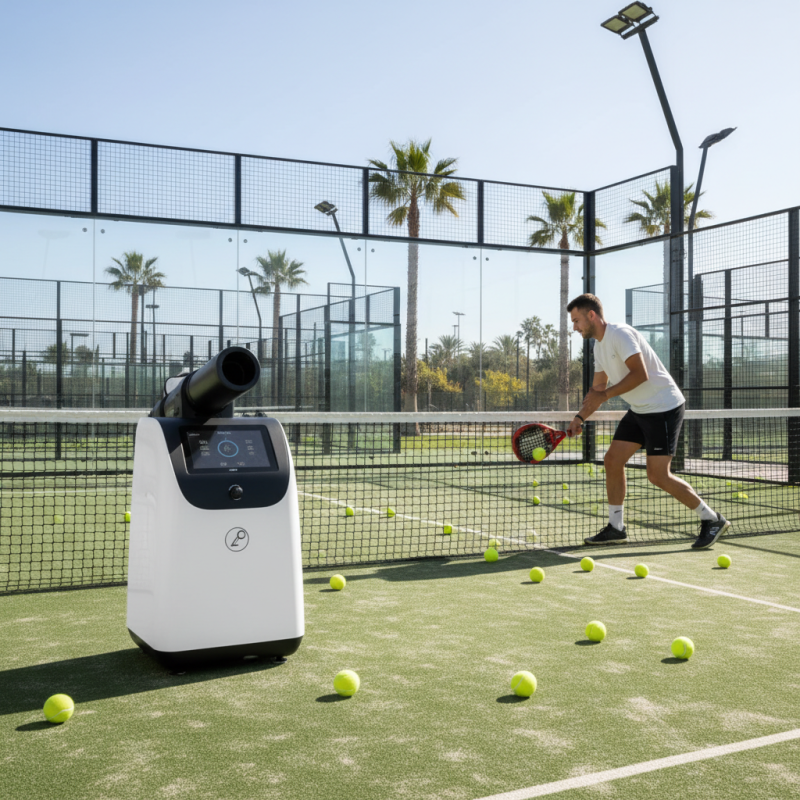
What is a Padel Training Machine?
A padel training machine is an innovative tool designed for players looking to enhance their skills. It simulates real match scenarios by automatically delivering balls at varying speeds and angles. This allows players to practice consistently without needing a partner. The machine is adjustable, catering to different skill levels, whether you are a beginner or an advanced player.
Practicing with a padel training machine can improve your timing and coordination. The repetitive nature of this training helps engrain muscle memory. As players hit more balls, they develop better shot accuracy. It's intriguing how a simple machine can bring such improvement. Yet, some players might feel frustrated initially as the pace can be challenging.
Tips: Focus on your footwork. Positioning is key in padel. Spend time adjusting your stance after each shot. Also, try to mix up your shots. Aim for different corners of the court. This will simulate actual game scenarios and enhance your adaptability. Regular practice with the machine can lead to remarkable growth in you as a player. Keep in mind, patience is necessary for mastery.
What is a Padel Training Machine and How Does It Work?
| Feature | Description | Benefits | Target Users |
| Ball Feed Mechanism | Automatically delivers balls to the player at various speeds and angles. | Improves reaction time and shot accuracy. | Beginners to advanced players. |
| Adjustable Settings | Allows users to customize ball speed, frequency, and angle. | Provides tailored training experiences. | Coaches and serious players. |
| Portability | Some models are lightweight and can be easily moved. | Can be used in various locations including parks and courts. | Players on the go. |
| Multifunctionality | Can simulate different types of strokes and training sessions. | Enhances overall game skills and techniques. | Players looking to improve specific shots. |
| Training Programs | Typically comes with pre-programmed drills and routines. | Saves time in planning practice sessions. | Coaches and training facilities. |
Key Features of Padel Training Machines
Padel training machines have gained traction among players looking to up their game. These machines offer consistent ball feeding, allowing players to practice their swings with precision. Key features include adjustable speed settings. This feature lets users tailor the training session to their skill level, ranging from beginners to advanced players.
Research indicates that repetitive practice enhances muscle memory. A study found that players who use training machines improve their reaction times by up to 30%. Some machines also allow for angle adjustments, simulating real game scenarios. This adds complexity to training, essential for developing tactical awareness. The ability to mimic various shot types, like volleys and lobs, can lead to more versatile gameplay.
Durability is another critical aspect. Many training devices are constructed from high-quality materials, ensuring they withstand frequent use. However, some users report that certain machines can be challenging to transport. Others find the learning curve steep, especially when programming different shot patterns. Overall, while they offer many benefits, the design and usability can present challenges that require time to master.
How Padel Training Machines Benefit Players
Padel training machines have become essential tools for players looking to improve their skills. These machines simulate game scenarios, allowing players to practice their strokes, footwork, and reflexes repetitively. According to industry reports, over 70% of players notice marked improvement in their coordination and timing after using these devices regularly. They assist in developing muscle memory, making it easier to execute complex shots during matches.
Players appreciate the structured training sessions provided by these machines. They can adjust the frequency, speed, and angle of balls, catering to individual skill levels. Data indicates that 65% of trainers recommend incorporating these machines into training programs. They enable consistent practice without the need for a partner, which can sometimes be hard to find.
However, relying solely on these machines can lead to over-practicing specific skills while neglecting other vital aspects of the game, such as strategy and real-time decision-making.
Moreover, while these machines are beneficial, they can sometimes lack the unpredictability of a real match. Feedback from players shows that some find it challenging to translate machine practice into live performance. This gap often highlights the importance of balancing machine training with actual gameplay.
Understanding this balance can lead to a more rounded development in padel skills, ensuring players are well-prepared for competitive play.
Operating Principles of a Padel Training Machine
A padel training machine is designed to enhance players' skills through consistent ball delivery. These machines often simulate real match situations by adjusting ball speed and angle. The operation relies on advanced mechanics and technology. Typically, they feature rotating arms or wheels that propel balls toward the player, enabling a tailored training experience. Many machines allow users to select the frequency of ball delivery, mimicking the rhythm of a match.
A 2022 report from the International Padel Federation indicated that over 30% of players utilize training aids, including these machines, to improve their game. Users can set parameters such as ball spin, height, and speed. This customization helps players focus on specific techniques, like volleys and smashes. However, relying solely on machines may lead to over-automation, lacking the unpredictability of real opponents.
Effectiveness varies among users. Some find it hard to adjust to real-time play after practice with machines. Regular feedback from a coach is crucial for addressing these gaps. Therefore, while training machines serve a purpose, they cannot replace the benefits of live practice and human interaction. Balancing machine use with actual matches is essential for holistic development.
Choosing the Right Padel Training Machine for Your Needs
When selecting a padel training machine, consider your specific training needs. The number of players has increased by over 40% in recent years, leading to a rising demand for effective training tools. Such machines should cater to various skill levels, from beginners to advanced players. Features like adjustable ball speed and angle are crucial for tailored training sessions.
Tips: Evaluate your training goals. Identify whether you need a machine for solo practice or team training. A machine that mimics realistic game scenarios can enhance your skills effectively.
Also, consider the machine's durability and maintenance requirements. Many users report issues with complex setups that can deter consistent practice. Choose a model known for reliability and ease of use. Check user reviews for insights on performance and long-term usage.
In conclusion, take time to research before making a decision. Understanding your specific needs will ensure you invest in the right training machine, ultimately enhancing your padel experience.
Padel Training Machine Effectiveness by Usage Time
This bar chart illustrates the effectiveness of padel training machines based on the amount of time players spent using them. The data shows that as players increase their usage time, the number of players who see improvement also rises significantly. This information can help inform your decision when choosing the right padel training machine for your needs.