Top 10 Sports Cooler Bags for Travel and Outdoor Use

Choosing the right cooler can change an ordinary trip into a smoother outdoor experience. Sports Cooler Bags help travelers keep meals, drinks, and recovery snacks cold without carrying a bulky hard-sided box. On a beach morning, a dependable bag should hold ice beside sandwiches, fruit, and bottled water. It should also remain comfortable when the parking area sits far from the picnic table.

This guide examines the Top 10 Sports Cooler Bags for Travel and Outdoor Use. Each option is considered for insulation, storage capacity, leak resistance, portability, and cleaning convenience. We also look at shoulder straps, reinforced handles, exterior pockets, and practical weight. These details matter during road trips, hiking days, tailgating, camping, and children’s sporting events. A bag that performs well in a kitchen may feel awkward on a crowded train. Real travel exposes those differences.

No ranking is perfect. Personal needs vary. A cyclist may prefer a compact, lightweight design, while a family may need more space and stronger insulation. Some bags advertise impressive capacity but lose room around thick lining and rigid frames. That deserves attention. We focus on realistic use, not only manufacturer claims, and consider how each cooler handles warm weather, repeated opening, and uneven transport. The goal is simple: provide reliable guidance for selecting a cooler bag that suits your routine, budget, and destination. Before buying, check dimensions carefully. A useful cooler should fit your food, your vehicle, and your day.
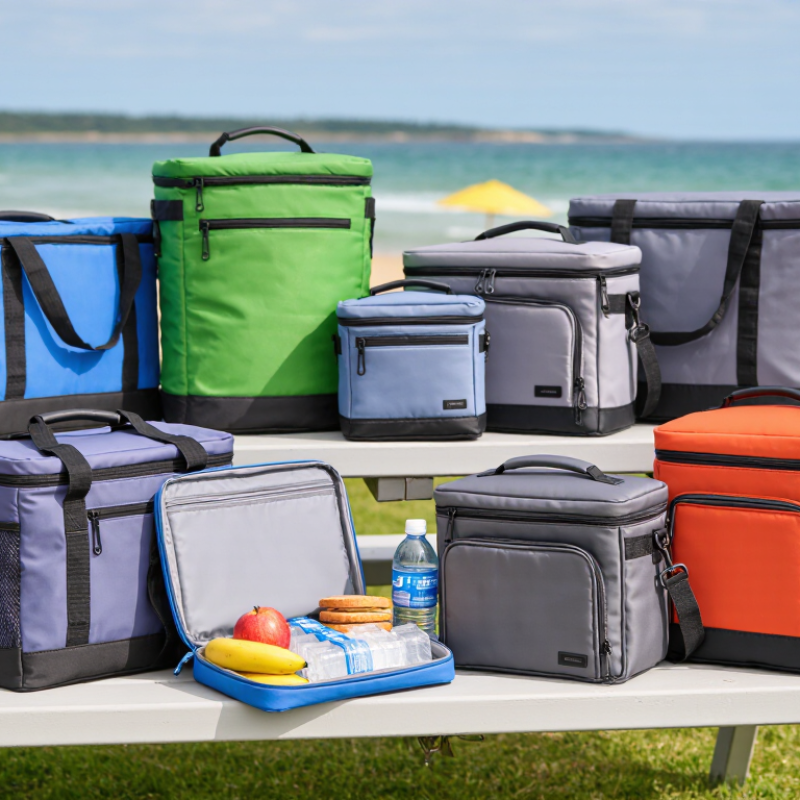
Top 10 Sports Cooler Bags for Travel and Outdoor Use

What Sports Cooler Bags Are and How They Support Outdoor Activities

Sports cooler bags are insulated carriers designed to protect food, drinks, and small essentials during movement. They usually combine thermal lining, foam insulation, leak-resistant fabric, and separate compartments. Their real value appears outdoors, where shade, refrigeration, and clean surfaces may be limited.

The Outdoor Industry Association’s 2024 Outdoor Participation Trends Report recorded 175.8 million American participants in outdoor recreation during 2023. That scale shows why portable food storage matters for hiking, camping, cycling, and field sports. A cooler bag can keep water cold beside a trail, protect sandwiches in a car, or separate wet towels from dry snacks.

The United States Department of Agriculture advises keeping perishables at 40°F or below. It also recommends discarding them after two hours above that temperature, or one hour above 90°F. Ice packs are essential.

Small details affect performance. Wide shoulder straps reduce pressure during long walks. Reinforced seams help prevent leaks. A firm base keeps containers upright. I once packed too much ice and too few meals. The bag stayed cold, but became awkward to carry. That mistake still influences my choices.

Capacity should match the activity, not the fantasy of carrying everything. Some bags also include washable interiors, bottle pockets, and compact designs for airports or day trips. However, insulation ratings are not always tested under identical conditions. Buyers should question vague claims and inspect construction carefully.

Key Factors for Comparing Insulation, Capacity, and Portability

Top 10 Sports Cooler Bags for Travel and Outdoor Use

Insulation should be judged by temperature retention, not marketing claims. The USDA Food Safety and Inspection Service advises keeping perishable food at 40°F (4.4°C) or below. For travel, choose thick foam walls, a tightly sealing zipper, and minimal heat transfer around seams. Laboratory claims can mislead when the bag is opened repeatedly. Test it at home with chilled water, frozen packs, and a thermometer for eight hours.

Capacity must match the trip, not your optimism. A compact bag may hold lunch for two, while a 20–30 liter model can support a day outdoors. The Outdoor Industry Association’s 2024 participation report counted 175.8 million U.S. outdoor participants in 2023. That scale reflects varied needs, from short hikes to long roadside journeys. Internal shape matters too. Tall bottles waste space in shallow compartments. Soft walls often provide more usable room, but they can collapse under heavy packing.

Portability becomes critical after several miles. Look for padded shoulder straps, reinforced handles, and balanced weight distribution. Empty weight matters. A cooler that weighs 2 kilograms before loading may become uncomfortable quickly. Water resistance is useful, but “waterproof” claims deserve careful checking. Zippers, stitching, and drainage points often fail first. I would compare loaded comfort, not just catalog dimensions. That test is less tidy, but more honest.

Top 10 Sports Cooler Bags for Travel and Outdoor Use - Key Factors for Comparing Insulation, Capacity, and Portability

A practical comparison of soft-sided cooler bags based on capacity, insulation construction, carrying comfort, storage efficiency, and outdoor usability.

Rank Cooler Bag Type Nominal Capacity Approx. Empty Weight Approx. External Size Insulation Construction Expected Cooling Duration* Portability Features Leak-Resistant Liner Best For Overall Score
1 Premium Backpack Cooler 24 L 1.25 kg 45 × 32 × 20 cm 20 mm closed-cell foam with reflective foil lining Up to 24 hours with sufficient ice packs Adjustable padded shoulder straps, sternum strap, top grab handle Yes Hiking, cycling, and hands-free travel 9.2
2 Large Soft-Sided Picnic Cooler 30 L 1.45 kg 48 × 34 × 24 cm 20 mm foam insulation with reinforced thermal barrier Up to 24 hours with pre-chilled contents Padded shoulder strap, dual carry handles, wide opening Yes Family picnics and day trips 9.0
3 Structured Car-Seat Cooler 18 L 1.10 kg 39 × 30 × 25 cm 15–20 mm high-density foam with rigid base panel Approximately 18–24 hours with ice packs Seat-belt pass-through, removable shoulder strap, firm base Yes Road trips and organized vehicle storage 8.8
4 Compact Day-Hike Cooler 12 L 0.75 kg 36 × 25 × 18 cm 15 mm foam insulation with foil-backed interior Approximately 12–18 hours with frozen packs Breathable shoulder straps, sternum strap, exterior pockets Yes Short hikes and personal lunches 8.6
5 Collapsible Tote Cooler 20 L 0.85 kg 42 × 29 × 22 cm 10–15 mm foam insulation with reflective lining Approximately 10–16 hours with ice packs Folds flat, shoulder-length handles, removable base insert Yes Shopping, beach visits, and easy storage 8.4
6 Insulated Lunch and Gear Bag 10 L 0.60 kg 32 × 23 × 17 cm 10 mm foam insulation with wipe-clean lining Approximately 8–12 hours with frozen packs Top handle, detachable shoulder strap, compact profile Yes Work lunches and short outdoor activities 8.1
7 Roll-Top Adventure Cooler 26 L 1.35 kg 46 × 31 × 23 cm 15 mm foam insulation with welded waterproof seams Approximately 18–24 hours with adequate ice packs Roll-top closure, padded shoulder strap, side compression straps Yes Boating, camping, and wet environments 8.0
8 Personal Crossbody Cooler 6 L 0.42 kg 28 × 20 × 14 cm 8–10 mm foam insulation with thermal liner Approximately 6–10 hours with frozen packs Adjustable crossbody strap, quick-access front pocket Mostly Commuting and single-person outings 7.8
9 Hybrid Cooler Duffel 35 L 1.70 kg 55 × 35 × 27 cm 15 mm foam insulation with reinforced base and liner Approximately 18–24 hours with pre-chilled contents Dual handles, padded shoulder strap, large luggage-style opening Yes Group travel and sports events 7.7
10 Ultra-Light Foldable Cooler 8 L 0.35 kg 30 × 22 × 15 cm 8 mm foam insulation with lightweight reflective lining Approximately 6–10 hours with frozen packs Folds flat, short carry handle, very low transport weight Mostly Air travel, day excursions, and emergency storage 7.5

Note: Cooling duration depends on ambient temperature, pre-chilling, ice-pack quantity, how often the bag is opened, and how fully it is packed. Dimensions and weights are approximate representative specifications for comparable soft-sided cooler designs.

Top 10 Sports Cooler Bags for Travel and Outdoor Use

Top 10 Sports Cooler Bags for Travel and Outdoor Use

The top 10 sports cooler bags should balance insulation, comfort, and usable space. Outdoor Industry Association reported 175.8 million Americans joined outdoor recreation in 2023. That participation figure shows why portable food storage matters during travel, hiking, and sports days. A good bag should keep lunch cold without feeling like a heavy suitcase.

Look for thick insulation, sealed seams, and a stable base. A 12–20 liter capacity suits one or two people. Wider openings make it easier to reach fruit, sandwiches, and ice packs. Shoulder straps help during stadium walks, while padded handles work better for short transfers. USDA Food Safety and Inspection Service guidance says cold food should stay at 40°F or below. Perishables should not remain unrefrigerated for over two hours. In hot weather, the limit drops to one hour. I have found that a cooler can look spacious but lose comfort when fully packed. That design mistake deserves more attention.

Tips: Pre-chill the bag before loading it. Use several slim ice packs instead of one large block. Place delicate food in rigid containers. Check the zipper after packing. A leakproof lining is useful, but not always truly leakproof. Test it at home first. For flights or long drives, choose a compact shape that fits under seats or beside luggage. A cooler bag should support the trip, not become another item to manage.

Best Cooler Bag Features for Different Sports and Trips

Top 10 Sports Cooler Bags for Travel and Outdoor Use

Best Cooler Bag Features for Different Sports and Trips

A useful sports cooler bag should match the activity, not just the meal size. For hiking, choose a lightweight design with padded shoulder straps and durable, water-resistant fabric. Runners may prefer a compact waist or crossbody bag for chilled drinks and small snacks. Team sports require wider openings, stronger handles, and separate pockets for utensils or personal items.

For beach trips and long drives, insulation matters most. Look for thick lining, leak-resistant seams, and a firm base that stays upright in the car. Reusable ice packs should fit without crushing sandwiches. A bag with exterior pockets can hold keys and sunscreen, but those pockets should remain separate from cold storage. I once packed a soft bag that lacked structure. It tipped over easily, which was a frustrating mistake.

Tips: Test the zipper before buying. Check whether the lining wipes clean. Measure your usual bottles, not an imaginary load. For cycling, avoid bulky shapes that affect balance. For children’s games, choose bright interiors so small items are easier to find. Do not rely on insulation alone; pre-chill the bag and food. A drainage-free design may seem convenient, but trapped water can create odors. Ventilation is not always helpful, either. It can reduce cooling performance. A careful fit usually matters more than extra features.

Cleaning, Storage, and Safe Food Handling Guidelines

A sports cooler bag works best when cleaning becomes part of every trip. After returning, I empty it immediately and remove crumbs from seams. I wash the lining with warm water and mild dish soap. A soft brush reaches the zipper track without damaging the fabric. Then I rinse away soap residue and wipe the exterior. Keep it dry. Moisture trapped overnight can create odors and encourage mold. I leave every pocket open until the interior feels completely dry. This takes longer than expected, especially in humid weather.

Safe food handling starts before packing. I wash my hands and use clean containers with tight lids. Raw meat stays sealed in a separate leakproof container, below ready-to-eat foods. I pack the bag with frozen gel packs, not loose ice near uncovered food. A small thermometer helps keep the interior at 4°C (40°F) or colder. Perishable food should not remain warm for more than two hours, or one hour in hot conditions above 32°C (90°F). If food smells unusual, feels slimy, or has warmed too long, I discard it. Do not guess.

During travel, I keep the cooler shaded and closed between uses. I avoid placing it on hot pavement or inside a sunlit vehicle. At the campsite, clean utensils stay separate from used plates and raw-food tools. I wipe spills quickly, but rushed cleaning can miss bottom corners. A second inspection matters. Before storage, I air-dry every part and keep the bag loosely open in a cool, dry cupboard. I once compressed mine tightly, then wondered why it smelled stale. That mistake changed my routine.

This website uses cookies to ensure you get the best experience possible. Learn more.