10 Tips for Choosing Unique Candle Jars?
Choosing Unique Candle Jars involves more than finding an attractive shape or unusual color. A jar must support safe burning, reliable production, and a convincing customer experience. Thick glass, stable bases, and suitable heat resistance matter as much as visual appeal. A beautiful jar can still fail.
This guide explores ten practical tips for selecting Unique Candle Jars for handmade collections, retail products, and custom gifts. It considers glass clarity, wall thickness, opening size, lid fit, label space, and compatibility with different waxes. A narrow vessel may create an elegant silhouette, but it can complicate wick placement and fragrance testing. A wide jar may burn evenly, yet require more wax and stronger packaging.
Real testing should guide every decision. Experienced makers often conduct burn tests, inspect soot levels, and check whether the container becomes uncomfortably hot. Supplier documentation can also confirm material quality, manufacturing consistency, and relevant safety testing. Small details matter. A lid that closes loosely may allow fragrance to fade during storage. A slightly uneven base can affect presentation and stability. These issues are easy to overlook when photographs dominate the buying process.
Some recommendations may not suit every brand. That is the point. Budget, shipping distance, target customers, and production volume can change the best choice. A premium jar is not automatically the most practical option. Careful comparison, sample orders, and honest review of failed tests can lead to a stronger final selection.
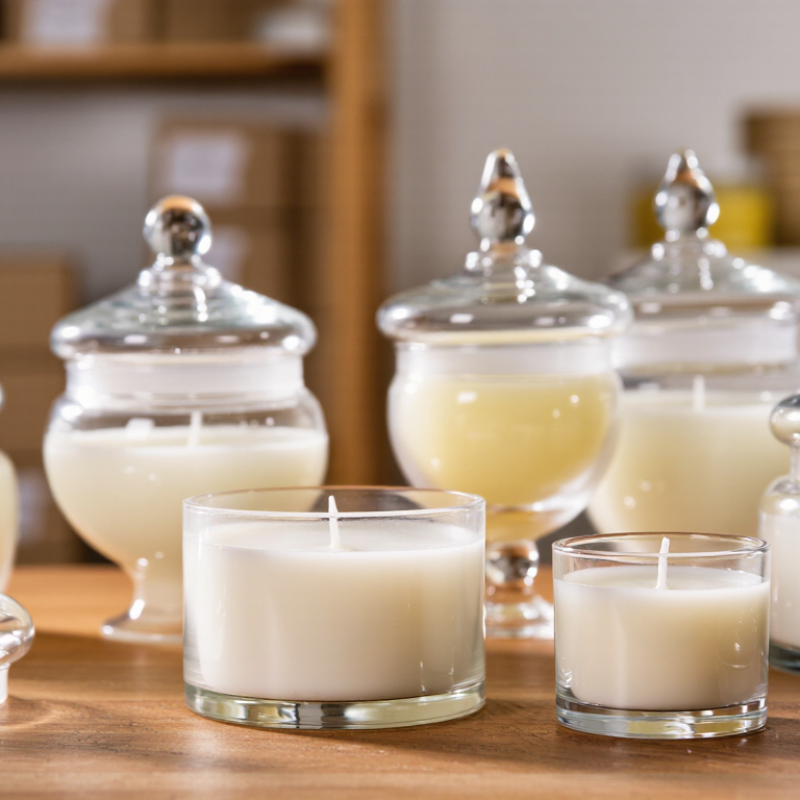
Define the Candle’s Purpose, Size, and Burning Format
Choosing a unique candle jar starts with purpose, not decoration. A bedside candle needs a different form from a large centerpiece. For quiet evening use, a short, wide jar feels stable and spreads light evenly. A travel candle may need a compact vessel with a secure lid. Outdoor use demands extra caution, because wind can heat some materials unevenly. I once preferred a tall jar for its elegant silhouette. It looked beautiful, but the narrow opening made trimming and cleaning awkward. That mistake changed my selection process.
Estimate the wax volume and expected burn time before selecting the jar. Leave sufficient headspace above the wax, and keep the wick centered. A jar that is too deep may produce a weak flame or dark inner walls. A jar that is too wide may create excessive heat near the sides. Test one filled sample before ordering many pieces. Observe the melt pool after two, four, and six hours, following professional wick guidance. Stop testing if the vessel becomes unusually hot, cracked, or unstable. The burning format also matters. Single-wick candles suit smaller diameters, while multi-wick layouts need careful spacing and heat testing. Choose heat-resistant glass with no chips. Ceramic requires consistent thickness and a stable base. Reuse is appealing, but hidden cracks can compromise safety. Measure twice. Then question the design.
Select Heat-Resistant Materials for Safe Candle Use
10 Tips for Choosing Unique Candle Jars?
Select Heat-Resistant Materials for Safe Candle Use
A distinctive candle jar should look attractive without sacrificing thermal safety. Borosilicate glass handles temperature changes better than ordinary thin glass. Tempered glass may also work, but it still requires suitable candle-vessel testing. Stoneware and heat-rated ceramic offer a heavier, handmade appearance. Avoid drinking glasses, recycled containers, and jars with fragile walls. They can crack when the wax pool becomes hot. Heat-resistant does not mean fireproof.
Check the jar’s base, rim, and wall thickness carefully. Uneven walls can create hot spots during burning. A narrow opening may also trap excessive heat near the flame. Before using a new design, conduct controlled burn tests with the intended wax and wick. Observe the jar every hour. Look for cracks, discoloration, unusual heat, or wax leakage. Test several units, not just one. Manufacturing differences matter.
A jar should survive repeated heating and cooling without visible damage. Let it cool naturally. Never place a hot jar on a cold stone surface.
I once underestimated how quickly a dark glaze absorbed heat; it looked perfect but became uncomfortable to handle. That mistake changed my inspection process.
Now, I check the exterior temperature, measure the remaining wax, and photograph each test stage. A small imperfection in shape may be acceptable. A structural weakness is not. Choose documented materials and request supplier testing information when available.
Compare Jar Shapes, Colors, Textures, and Lid Designs
10 Tips for Choosing Unique Candle Jars
Compare Jar Shapes, Colors, Textures, and Lid Designs
When selecting a candle jar, start with the shelf, not the mood board. Jar shape changes perceived value, storage efficiency, and flame visibility. Straight-sided cylinders stack well and suit clean, modern displays. Low bowls feel generous, but they need wider labels and careful wick testing. Amber glass softens light, while clear glass shows wax color and surface imperfections. That honesty can work. The National Candle Association reports that seven in ten U.S. households use candles, so familiar forms may reduce purchase hesitation.
Color should support the fragrance story, not compete with it. Warm white, smoke gray, and muted green photograph consistently across natural and retail lighting. Batches shift. Request production samples before approving a large run. Texture adds touch appeal through ribbed, frosted, speckled, or lightly hammered surfaces. Deep grooves also collect dust. Grand View Research valued the global candle market at USD 12.88 billion in 2022. It projected 5.7% annual growth through 2030, increasing pressure for visual differentiation.
Test the lid. Wooden lids add warmth, metal lids sharpen the silhouette, and snug glass lids suggest premium protection. Check threading, clearance, odor transfer, and heat behavior. A rattling lid feels cheap. One practical lesson is easy to miss: the prettiest combination may be difficult to manufacture consistently. Ask suppliers for tolerance ranges, color cards, and drop-test evidence. Then compare the jar in a real room. Studio lighting lies.
Match the Jar’s Appearance With Your Brand and Décor
10 Tips for Choosing Unique Candle Jars
Match the Jar’s Appearance With Your Brand and Décor
Your candle jar is a silent salesperson. Before touching the wax, shoppers read its color, silhouette, finish, and label space. That visual language should fit both your brand and the room where the candle will live. Amber glass can suggest warmth and craft, while clear glass feels lighter and more contemporary. Matte ceramic adds weight, but it may compete with a crowded shelf. Color speaks quietly.
PwC’s 2024 Voice of the Consumer Survey found that 80% of consumers were willing to pay more for sustainably produced goods. The survey reported an average acceptable premium of 9.7%. McKinsey’s 2023 packaging research also found that 60–70% of consumers may pay more for sustainable packaging. Therefore, recycled glass, refillable formats, and low-waste closures deserve careful attention. Their appearance must still feel intentional, not merely responsible.
I test jar samples beside wood, stone, metal, and fabric before approving a design. Store lighting can change the glass dramatically. A jar that looks elegant online may appear dull under warm bulbs. I once favored a heavy, dark vessel that photographed beautifully, but it disappeared on a crowded shelf. That mistake changed my process. Compare the jar with your actual décor, label colors, and shipping box. Then test it again.ikwalaho
10 Tips for Choosing Unique Candle Jars
Match the Jar’s Appearance With Your Brand and Décor
Use visual contrast as a practical starting point when selecting jar colors. The chart shows calculated WCAG 2.1 contrast ratios between common décor backgrounds and neutral candle-jar colors. Higher ratios create stronger visual separation, while lower ratios produce a softer, more blended look.
Contrast ratios are calculated from the displayed HEX color values using the WCAG relative-luminance formula. A ratio of 1:1 indicates no contrast; 21:1 is the maximum possible contrast.
Assess Sustainability, Cost, Sourcing, and Product Testing
Unique candle jars should be judged beyond appearance. I test the lid fit, glass thickness, and base stability before approving a sample. A beautiful jar can still crack under heat or waste material during shipping. The U.S. Environmental Protection Agency reported 82.2 million tons of packaging waste in 2018. That figure makes material efficiency difficult to ignore.
Tip: Compare recycled glass, refillable designs, and lightweight shapes. Ask suppliers for recycled-content percentages, energy data, and independent documentation. McKinsey’s 2023 packaging survey found that 60–70% of consumers may pay more for sustainable packaging. However, willingness can fall when the price increase becomes obvious. Sustainability needs evidence, not green wording.
Cost and sourcing require uncomfortable questions. Request minimum order quantities, sample fees, production timelines, and freight estimates in writing. A low unit price may hide expensive molds, high breakage, or slow replacement shipments.
I also inspect three production samples, not just one. They may differ slightly. That inconsistency deserves investigation. Choose suppliers with traceable material sources and documented quality controls.
Test filled jars for heat resistance, adhesion, soot, and burning behavior. ASTM F2417 and ASTM F2058 provide useful candle safety references, but testing should match the final wax, wick, fragrance, and vessel combination. A jar that passes an empty-container check may fail during a full burn test.