Top 10 30mm Bottom Bracket Options for Global Buyers?
When exploring the vast world of cycling components, the 30mm bottom bracket stands out as a popular choice among serious riders. This essential part connects the bike's crankset to the frame, ensuring a smooth and efficient pedaling experience. However, not all 30mm bottom brackets are created equal. The materials, design, and compatibility with various bike frames can greatly influence performance.
Choosing the right bottom bracket can feel overwhelming due to the sheer number of options available. With brands continuously innovating, it's crucial to find a reliable solution that meets your cycling needs. Factors such as durability and ease of installation are vital. Some users struggle with premature wear or compatibility issues. Learning from others’ experiences can guide new purchases.
In this article, we will delve into the top 10 30mm bottom bracket options for global buyers. Each choice is evaluated based on performance and user feedback. This guide aims to empower riders to make informed decisions, enhancing their cycling adventures.
Overview of 30mm Bottom Bracket Types and Compatibility
When exploring 30mm bottom brackets, it's essential to understand the various types available. Two popular types are threaded and press-fit. Threaded installations offer ease of maintenance. Press-fit designs provide a cleaner look and often reduce weight.
Compatibility is a critical factor. Not all frames are suited for every bottom bracket type. Frame standards vary, which can lead to complications during installation. Always verify measurements before purchasing.
Tips: When selecting a bottom bracket, consider your crankset type. Match the bottom bracket to the specific crank for optimal performance. It's also wise to check your frame specifications closely. Remember, not considering compatibility can lead to frustrating results.
Don't overlook the importance of materials. Aluminum and steel options exist. Aluminum is lighter but may wear out faster. Steel often lasts longer but adds weight. Reflect on what matters most for your riding style. Whether you value weight savings or durability, make an informed decision. Ultimately, your choice impacts your cycling experience significantly.
Factors to Consider When Choosing a 30mm Bottom Bracket
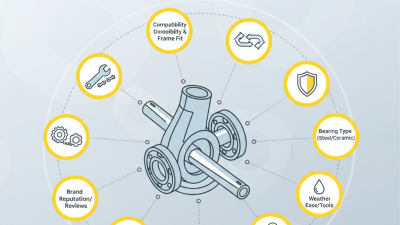
When choosing a 30mm bottom bracket, several key factors come into play. Material is essential; aluminum offers lightweight strength, while steel provides durability. Think about your riding style too. A heavier rider may need a sturdier option. Weight distribution plays a crucial role in performance.
Compatibility matters significantly. Ensure the bracket fits your crankset and frame type. A mismatch can lead to performance issues or installation headaches. Installation difficulty varies. Some may require specific tools, while others allow straightforward setups.
Also, consider bearing quality. High-quality bearings can reduce friction and improve efficiency. However, pricier options don't always guarantee better performance. Reflect on expected usage and terrain conditions. For example, rougher trails may call for more rugged options.
Ultimately, balance between cost, quality, and your unique needs is vital.
Top 10 Recommended 30mm Bottom Brackets for Various Needs
When exploring the world of 30mm bottom brackets, various needs and preferences come into play. A professional report by Cycling Industry Journal notes that the demand for 30mm options has grown significantly. Today's cyclists seek lighter, stiffer, and more reliable components. An ideal bottom bracket minimizes friction while maximizing durability. Industry experts suggest that selecting the right material and design can drastically affect performance.
Different riders may value different features. Some prioritize weight, looking for lightweight aluminum or carbon composite shells. Others focus on ease of maintenance, preferring designs that allow for quick service without special tools. According to a study by BikeRadar, almost 70% of riders report some level of frustration with difficult-to-service models. This reflects a growing trend among cyclists who value straightforward solutions.
Compatibility is crucial. As bikes evolve, bottom bracket standards also change. Technical reports reveal that misalignment often occurs, leading to inefficient power transfer. Ensuring that a bottom bracket fits properly is essential for any rider looking to enhance performance. New technologies are making it easier to find compatible options, but discrepancies still exist in the market. Thus, taking the time to research and confirm specifications can prevent future headaches.
Top 10 Recommended 30mm Bottom Brackets for Various Needs
| Model |
Material |
Weight (g) |
Sealing Type |
Compatibility |
Price ($) |
| Model A |
Aluminum |
90 |
Labyrinth |
Shimano |
50 |
| Model B |
Steel |
110 |
Contact |
SRAM |
60 |
| Model C |
Carbon |
95 |
Seal |
Campagnolo |
70 |
| Model D |
Aluminum |
100 |
Labyrinth |
FSA |
55 |
| Model E |
Steel |
115 |
Contact |
Shimano |
65 |
| Model F |
Carbon |
85 |
Seal |
SRAM |
75 |
| Model G |
Aluminum |
98 |
Labyrinth |
Campagnolo |
58 |
| Model H |
Steel |
108 |
Contact |
FSA |
68 |
| Model I |
Carbon |
80 |
Seal |
Shimano |
78 |
| Model J |
Aluminum |
102 |
Labyrinth |
SRAM |
62 |
Installation Tips for 30mm Bottom Brackets in Bicycles
Installing a 30mm bottom bracket can be straightforward but requires careful attention. First, ensure you have the right tools. A bottom bracket tool is essential for proper installation. Without it, you risk damaging the components. Align the bottom bracket correctly to the frame’s threading. Misalignment can lead to a poor fit and performance issues.
Another critical step involves applying the right lubricant. A thin layer on the threads helps prevent creaking noises and improves ease of installation. However, add too much and it can attract dirt. Keep the area clean and dry before inserting the bottom bracket. Wipe off any excess grease; it’s easy to overlook this detail.
Finally, double-check the tightness of all connections. Many cyclists skip this, assuming their work is complete. Over time, a loose connection can cause wear and tear. If unsure, consult a professional. Taking the time to ensure everything is done correctly can save money and hassle in the long run.
Maintenance and Care for Longevity of Bottom Brackets
Proper maintenance of a bottom bracket is essential for optimal performance and longevity.
Regular cleaning and lubrication can prevent rust and ensure smooth operation. A simple wipe-down with a cloth can remove dirt and grime that accumulates over time.
During cleaning, pay close attention to the seals to avoid any damage. If dirt gets trapped inside, it might lead to unnecessary wear.
Checking for play or looseness is crucial. A bottom bracket that feels off can impact your ride quality.
Tightening bolts to the manufacturer’s specifications can help maintain structural integrity. However, be cautious not to overtighten, as this can cause damage.
Explore different options if your bottom bracket shows persistent issues.
As with many components, usage matters. If you ride frequently in wet or muddy conditions, you'll need to maintain your bottom bracket more often.
Identify signs of wear, such as a creaking noise or increased resistance when pedaling. Reflect on your riding habits and adjust maintenance routines accordingly.
Keeping a consistent schedule can prolong the life of your bottom bracket significantly.