China Top Scuba Pants Manufacturers Wholesale?
China has become a major sourcing base for Scuba Pants, offering flexible production, competitive pricing, and broad material options. Buyers can find neoprene leggings, thermal diving pants, spearfishing bottoms, and customized water-sports designs. Yet low prices alone do not prove reliable manufacturing.
Industry equipment reviewer John Bantin offers a useful principle: “Comfort is not a luxury underwater; it is part of safety.” This idea matters when comparing Chinese wholesale suppliers. A strong factory should explain neoprene thickness, seam construction, lining, waistband recovery, and size grading clearly. Samples should feel smooth against the skin. Stitching should remain flat after repeated stretching. Small details matter.
A practical sourcing review should examine factory experience, production capacity, quality-control records, and customization support. Ask whether the supplier can provide material specifications, inspection reports, and consistent pre-shipment testing. Responsible buyers should also confirm labeling, packaging, environmental claims, and destination-market requirements. A factory may offer a low minimum order, but inconsistent sizing can create expensive returns. That risk is easy to overlook.
Wholesale negotiations need more than a price sheet. Discuss sample fees, mold charges, payment terms, lead times, replacement policies, and shipping responsibilities. Factory photographs can help, but they are not proof. Video audits are useful, though imperfect. I may sound cautious, but sourcing decisions deserve caution. The best Scuba Pants manufacturer combines dependable construction, transparent communication, and repeatable quality. This guide compares those practical factors for buyers seeking trustworthy Chinese suppliers.
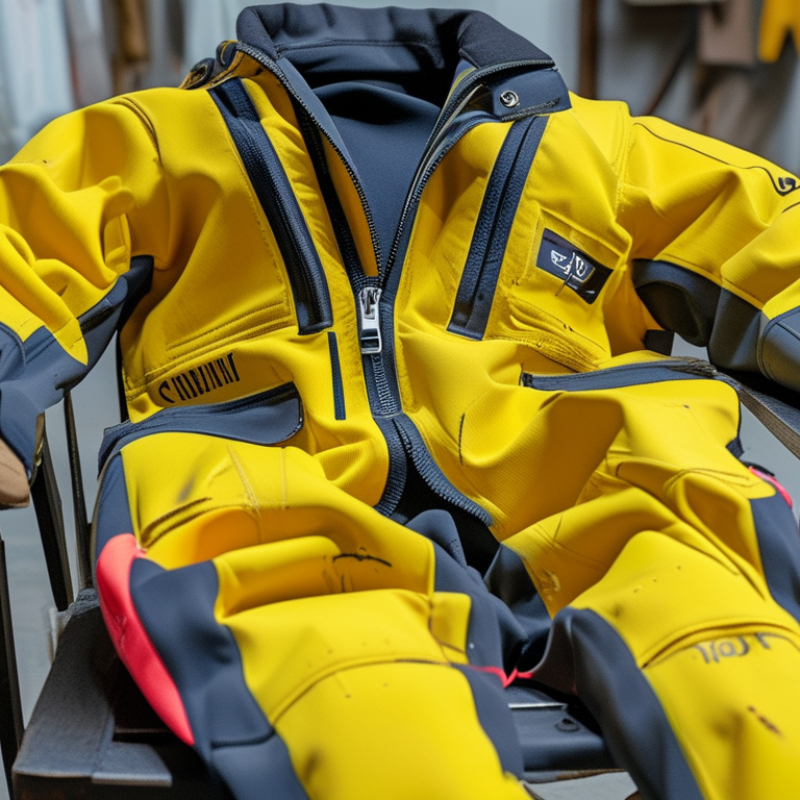
Scuba Pants: Materials, Features, and Common Applications
Scuba pants are usually made from neoprene, a flexible synthetic rubber that traps a thin layer of water. That layer helps reduce heat loss. NOAA states that water removes body heat about 25 times faster than air, making thermal protection essential underwater.
Common thicknesses include 1.5 mm 3 mm 5 mm. Thicker neoprene offers better warmth, but it may reduce flexibility around the knees and hips.
Features should match the diving environment. Flatlock seams suit warm water, while blind-stitched and glued seams reduce flushing in colder conditions. High-waist designs cover the lower back, and reinforced knee panels resist abrasion from rocks, boat decks, and repeated kneeling.
Nylon-lined neoprene dries faster and feels smoother against the skin. It can also feel less stretchy.
The broader wetsuit market was valued at approximately US$1.7 billion in 2023, according to IMARC Group’s industry analysis. This growth supports wider wholesale demand for scuba pants, especially in diving schools, resorts, snorkeling operations, and recreational equipment stores.
China-based manufacturers often provide custom thicknesses, size ranges, colors, and private packaging. Buyers should request material samples, seam photos, compression tests, and wash-cycle results.
I would not trust a low price alone. A cheaper panel can lose shape quickly, and that mistake becomes expensive.
How to Evaluate Scuba Pants Manufacturers in China
How to Evaluate Scuba Pants Manufacturers in China
China’s scuba pants sector serves diving schools, resorts, and outdoor retailers. Fortune Business Insights valued the global wetsuit market above US$1 billion in 2024. This demand attracts capable factories and inexperienced traders.
Check the factory, not only the catalog. Request a recent audit, business license, production photos, and export records.
A factory should explain neoprene density, thickness, stretch recovery, and lining composition clearly. Ask for test reports covering seam strength, colorfastness, and dimensional stability. Relevant ISO or ASTM requirements should match the pants’ intended diving conditions. Vague answers are warning signs.
Order samples from the same production line. Measure the waistband, ankle opening, and panel thickness yourself. Check whether flatlock seams feel smooth after repeated bending. Put the pants in water and inspect drying time, odor, and compression.
A polished sample can still mislead. Confirm minimum order quantity, monthly capacity, lead time, packaging, and replacement terms in writing.
The International Trade Centre’s trade data shows continued movement in textile and apparel products, but shipping volume does not prove technical quality.
Ask for lot-level material records and in-process inspection photos. I would also request a small pilot order before a large wholesale contract.
It costs more initially. That is sometimes the safer mistake.
Be careful with recycled or “eco” claims; require certificates, scope, and issuing dates, rather than trusting a printed label.
Top Manufacturing Regions and Supplier Capabilities
China’s scuba pants manufacturing base is concentrated in coastal regions with strong textile and export networks. Guangdong supports flexible production, bonded seams, and rapid sample development. Fujian is known for sportswear factories with skilled neoprene cutting and flatlock stitching. Zhejiang and Jiangsu offer broader material sourcing, including laminated fabrics, elastic panels, and molded accessories.
Supplier capabilities vary widely. Experienced factories can manage pattern grading, thickness options, reinforced knee zones, and chlorine-resistant linings. Some suppliers provide small trial orders, while others focus on large wholesale volumes. Ask for production photos, fabric test reports, and a clear measurement chart. A reliable manufacturer should explain shrinkage control, seam strength, and inspection procedures without vague promises. Still, a polished sample can hide weak bulk production. This is where buyers often misjudge risk.
Tips: Request one pre-production sample before approval. Test waist recovery, seam stretch, drying time, and color stability. Check stitching around the knees and ankle openings. Keep written specifications for neoprene thickness, size tolerance, packaging, and defect limits. Factory visits can help, but they do not replace independent inspection. Language gaps may also affect details. Use drawings and measured samples. Simple records prevent expensive confusion.
Wholesale Pricing, Minimum Orders, and Customization Options
China’s scuba pants manufacturers often quote wholesale prices by material thickness, order volume, and construction method. Basic neoprene pants may cost less than reinforced designs with durable knee panels. A realistic quote should include fabric, stitching, labels, packaging, and export preparation. Ask for tiered pricing at 100, 300, and 1,000 pieces. Prices change with currency and material markets. Confirm the quotation date.
Minimum order quantities vary widely. Some factories accept a small sample order before bulk production. Standard colors may require fewer units, while custom colors can increase the MOQ. Request one physical sample. Check waist tension, seam strength, size grading, and comfort when bending. A sample can expose problems that photos hide. Do not rely only on a catalog.
Customization may include 2mm or 3mm neoprene, high-waist cuts, flatlock seams, printed logos, woven labels, and retail packaging. Provide a measurement chart with tolerances, artwork in a clear file, and approved color references. Confirm prototype fees, mold charges, production lead time, and replacement terms in writing. Ask whether inspection occurs before shipment. Independent inspection helps with larger orders. Still, it is not perfect. A detailed contract and documented approvals reduce avoidable disputes.
Quality Control, Certifications, and Export Considerations
China’s scuba pants manufacturers serve diverse wholesale markets, but quality control should guide supplier selection. Grand View Research estimated the global wetsuit market at about USD 1.6 billion in 2023. That growth increases pressure on factories to reduce defects without weakening materials.
Request a documented inspection plan. It should cover neoprene thickness, seam strength, waist recovery, zipper performance, and color consistency. ISO 2859-1 sampling can structure batch inspections, while ISO 9001 certification shows a quality system, not automatic product quality. The ISO Survey 2022 recorded more than 1.2 million ISO 9001 certificates worldwide. A certificate alone is not proof. Factory records, test samples, and corrective-action reports matter more.
Export compliance also needs careful review. For European sales, EN 14225-1 testing may apply to wet diving suits, especially when thermal protection is claimed under the EU PPE Regulation 2016/425. REACH substance screening can reduce customs and customer risks. CE marking is not a universal export requirement. Requirements depend on product claims and destination. US buyers should verify labeling, material disclosures, and importer responsibilities before shipment.
Tips: Order pre-production samples. Measure every panel. Test after repeated stretching. Ask for recent reports, not templates. Confirm HS classification with a customs professional. I have seen good samples hide weak seam work in bulk orders. That mistake is expensive, and easily preventable.