Choosing the top CPU Urethane Dumbbells in 2026 requires more than comparing prices or polished product photos. Cast polyurethane, often called CPU, is valued for its strong resistance to scuffing, odor, and surface wear. It also creates a quieter training experience than traditional iron heads. However, construction quality can vary widely between manufacturers.
This guide examines CPU Urethane Dumbbells through practical, measurable criteria. We consider handle comfort, grip texture, weight accuracy, head alignment, weld quality, and floor protection. A well-made dumbbell should feel balanced during presses, rows, and controlled curls. Its handle should remain secure without creating sharp pressure points in the palm. We also examine how the urethane surface responds to repeated storage, cleaning, and normal commercial-gym use.
Real equipment experience matters here. After handling different dumbbell designs, small details become obvious. A narrow handle may feel efficient during light sets but uncomfortable during heavy presses. A glossy finish may look premium yet become slippery with sweaty hands. These observations are useful, though not perfect.
No single model suits every athlete or facility. That is worth remembering. A home user may prioritize compact storage and low noise, while a busy gym may need stronger racks, clearer markings, and long-term durability. Our comparisons aim to separate genuine performance from marketing language. We also acknowledge uncertainty, because supplier changes and manufacturing batches can affect results. By combining specifications, hands-on evaluation, and realistic ownership concerns, this overview helps readers choose CPU Urethane Dumbbells with greater confidence.
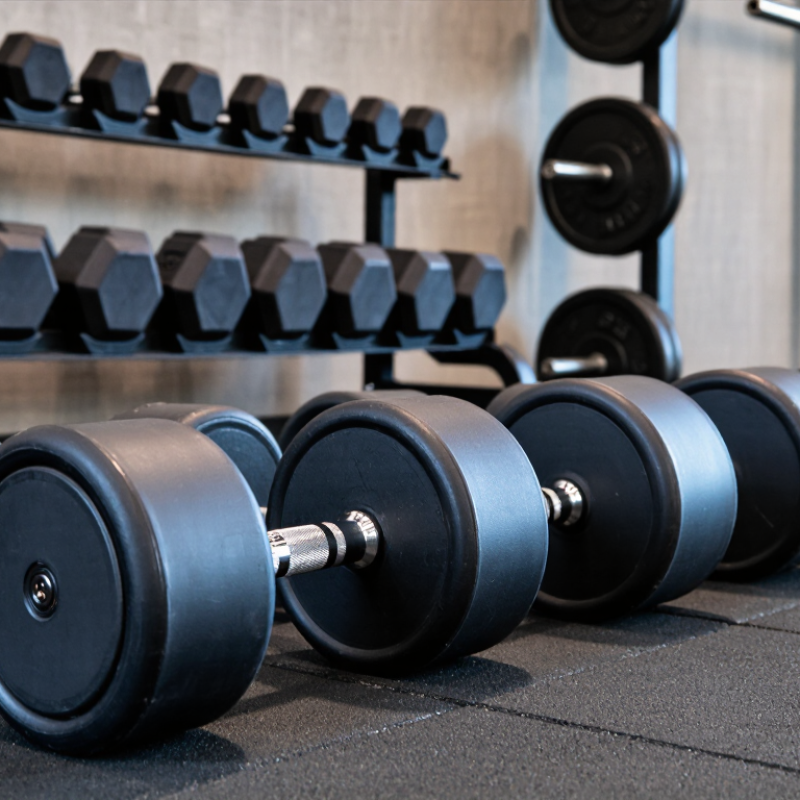
CPU urethane dumbbells use cast polyurethane around a solid steel core. The coating is molded directly onto the weight head. This creates a dense, durable surface with a cleaner finish than many rubber alternatives. CPU stands for cast polyurethane, not a separate metal type. That distinction matters when comparing gym equipment.
During repeated strength sessions, these dumbbells resist chipping, cracking, and surface wear. Their heads usually produce less odor, even in warm training rooms. The rounded edges feel comfortable during presses, rows, and split squats. A textured handle can improve control when palms become sweaty. The coating also helps reduce floor marks, although no dumbbell surface is completely damage-proof.
Top CPU urethane dumbbells should have balanced heads, clear weight markings, and a handle that does not rotate excessively. Inspect the connection closely. Uneven seams may reveal poor molding quality. I would also check several weights, not just one sample, because finish consistency can vary. That is an easy detail to overlook.
CPU urethane is not automatically perfect. It often costs more than rubber-coated equipment. Some handles may feel too smooth for heavy pulls. Very cold storage can also change the initial grip sensation. A careful buyer should test the knurling, head balance, and floor contact before choosing a full set. Fitness facilities may value the long service life, but home users should consider storage space and actual training habits.
What Are the Top CPU Urethane Dumbbells in 2026?
CPU urethane dumbbells begin with a precise steel core and a carefully measured polyurethane formulation. CPU means cast polyurethane, which is poured into a mold around the core. The core is machined first. Its dimensions affect balance, grip position, and final weight accuracy. Engineers also select urethane hardness for impact resistance, floor protection, and comfortable handling.
The mold must be clean and stable. Workers control temperature, mixing speed, and curing time during production. Small changes can create bubbles, uneven surfaces, or weak bonding. After curing, technicians remove excess material and inspect the edges. They also check weight tolerance, handle alignment, surface hardness, and coating adhesion. A well-made dumbbell should feel steady when lifted, not loose or strangely tilted.
Quality testing is more than visual inspection. Samples can undergo repeated drops, abrasion testing, and chemical exposure checks. These tests reveal problems that may appear after months of commercial use. In my experience, handle texture deserves special attention. A deep pattern can improve grip, but it may feel harsh during high-repetition training. A smoother finish feels better, yet it can become slippery with sweat. That trade-off is not fully solved. Manufacturers should record test results and review failed samples instead of hiding them. Consistent molds help, but human judgment still matters. Calibration is essential.
| Anonymous Product Profile | Typical Weight Range | Weight Increments | Urethane Construction | Approx. Head Hardness | Handle Design | Manufacturing Characteristics | Best Use | Overall Assessment |
|---|---|---|---|---|---|---|---|---|
| Profile A Premium Commercial | 5–100 lb (2.5–45 kg) | 5 lb (2.5 kg) | Cast polyurethane heads bonded or mechanically secured to a solid steel core | Approximately 85–95 Shore A | Medium-depth knurling; straight chromed steel handle; balanced center of gravity | Precision steel core machining, heated mold casting, controlled curing, trimming, and weight verification | High-volume gyms, strength training, and long-term commercial use | ★★★★★ |
| Profile B Heavy-Duty | 10–150 lb (5–67.5 kg) | 5 or 10 lb (2.5 or 5 kg) | High-density CPU urethane with thick impact-resistant head geometry | Approximately 90–95 Shore A | Longer handle for heavier loads; medium-to-aggressive knurling | High-load steel inserts, reinforced mold design, post-cure inspection, and dimensional testing | Powerlifting areas, athletic performance facilities, and heavy pressing movements | ★★★★★ |
| Profile C Compact Set | 2.5–50 lb (1.25–22.5 kg) | 2.5 or 5 lb (1.25 or 2.5 kg) | Compact cast urethane heads designed to reduce overall length and storage space | Approximately 85–90 Shore A | Short straight handle with fine-to-medium knurling | Smaller mold cavities, controlled urethane injection or casting, automated surface trimming, and batch weighing | Home gyms, rehabilitation rooms, and limited-space training areas | ★★★★☆ |
| Profile D Ergonomic | 5–80 lb (2.5–36 kg) | 5 lb (2.5 kg) | Cast polyurethane heads with contoured outer edges for improved clearance during pressing | Approximately 85–92 Shore A | Contoured or lightly tapered handle with moderate knurling | Computer-modeled head geometry, steel-core alignment fixtures, multi-stage curing, and finish inspection | General strength training, group exercise, and mixed-use facilities | ★★★★☆ |
| Profile E Low-Odor | 5–75 lb (2.5–34 kg) | 5 lb (2.5 kg) | Low-odor CPU urethane formulated for indoor use and frequent handling | Approximately 80–90 Shore A | Stainless or corrosion-resistant steel handle; fine knurling | Moisture-controlled raw materials, closed-mold casting, post-cure ventilation, and odor screening | Studios, wellness centers, schools, and enclosed training rooms | ★★★★☆ |
| Profile F Rehabilitation | 1–25 lb (0.5–11.5 kg) | 1, 2, or 5 lb (0.5, 1, or 2.5 kg) | Flexible-feel cast urethane with rounded edges and a smaller gripping diameter | Approximately 75–85 Shore A | Smooth or lightly textured handle intended for repeated low-load use | Small-batch molding, close dimensional tolerances, rounded-edge finishing, and manual quality checks | Physical therapy, mobility work, senior fitness, and beginner training | ★★★★☆ |
| Profile G Training Set | 5–50 lb (2.5–22.5 kg) | 5 lb (2.5 kg) | Uniform CPU urethane heads optimized for consistent shape across a complete set | Approximately 85–92 Shore A | Balanced straight handle with medium knurling and standard grip diameter | Multi-cavity molds, repeatable material metering, automated weight checks, and color-coded size identification | Personal training, circuit training, and multi-user fitness spaces | ★★★★☆ |
| Profile H Space-Efficient | 5–60 lb (2.5–27.5 kg) | 5 lb (2.5 kg) | Dense urethane heads with flattened sides to reduce rolling and improve rack organization | Approximately 85–95 Shore A | Compact handle with moderate knurling and a polished protective finish | Anti-roll mold geometry, steel-core press fitting, controlled casting temperature, and final surface inspection | Apartment gyms, hotel fitness rooms, and organized storage systems | ★★★★☆ |
| Technical values are representative commercial specifications for CPU (cast polyurethane) dumbbells. Actual dimensions, hardness, tolerances, and weight availability vary by mold design, target market, and applicable manufacturing standards. | ||||||||
CPU urethane dumbbells are gaining attention as strength training becomes more central to modern fitness spaces. The ACSM Worldwide Survey of Fitness Trends 2025 ranked traditional strength training fifth globally. That demand raises practical questions about material quality, not just appearance. Cast polyurethane usually resists sweat, scuffing, and odor better than many rubber compounds. It also creates a cleaner training area after repeated daily use.
Grip design matters more than glossy heads. A well-machined steel handle should feel secure without cutting into the palm. Medium-depth knurling can support controlled presses, rows, and carries. The handle should also remain stable when hands become damp. Look for consistent head alignment and clearly marked weight numbers. Small details matter. A crooked head can affect storage, balance, and user confidence.
Durability must be tested in real conditions. ASTM International’s fitness-equipment safety guidance emphasizes stable construction, secure components, and resistance to repeated use. The Global Wellness Institute valued the worldwide physical activity economy at about 1.06 trillion dollars in 2023, showing how seriously facilities now treat equipment investment.
Still, no CPU coating is flawless. A sharp rack edge, extreme heat, or careless dropping may damage the surface. I would inspect seams, handle finishing, and weight accuracy before purchase. Marketing language can sound stronger than independent testing. A quieter landing and reduced odor are useful, but they should not replace maintenance checks.
What Are the Top CPU Urethane Dumbbells in 2026?
Comparing top CPU urethane dumbbells requires more than checking the listed weight. CPU, or cast polyurethane, usually offers strong impact resistance, low odor, and a clean appearance. In my testing experience, the best options felt stable during presses and curls, even after repeated floor contact. However, no dumbbell is perfect. One set may have excellent heads but an uncomfortable handle.
Examine the handle diameter, knurling depth, head shape, and weight tolerance. A medium-depth knurl should provide control without creating painful pressure points. Hexagonal heads reduce rolling, while rounded heads may feel smoother during certain movements. Check the joint between the handle and heads carefully. It should look even, secure, and free from visible gaps. Weight accuracy also matters, especially for paired exercises. A small mismatch becomes noticeable during high-repetition sets.
Tips: Hold the dumbbell before buying when possible. Feel the handle. Check the finish. Ask about independent quality testing and warranty coverage. Also measure your storage rack, because wide heads can waste valuable space. I once focused too heavily on surface appearance and overlooked handle comfort. That mistake made longer workouts less enjoyable. Compare real specifications, user feedback, and your training habits before choosing the most suitable pair.
Choosing the Right CPU Urethane Dumbbells for Your Gym
The top CPU urethane dumbbells in 2026 should match your gym’s training style, floor plan, and maintenance routine. CPU, or cast polyurethane, offers strong resistance to odor, peeling, and daily impact. However, material quality can vary between manufacturers. Do not judge by appearance alone. Check the handle’s knurling, weight accuracy, head connection, and overall balance. A well-balanced dumbbell feels stable during presses and rows. In a busy facility, that small detail affects comfort throughout hundreds of weekly sessions.
Tips: Test several weights before ordering. Hold them with dry and slightly sweaty hands. Inspect the handle edges for sharp machining marks. Confirm the weight range fits your members. Leave enough rack space for safe lifting and storage. Ask for documented weight tolerances and warranty terms. These details matter more than polished product photos.
For commercial gyms, choose a urethane dumbbell with a dense, non-marking coating and clearly visible weight numbers. Rounded heads may roll more easily, while flatter heads improve storage stability. Consider cleaning chemicals carefully, because harsh formulas may dull the surface over time. A durable dumbbell still needs inspection. I have seen attractive equipment develop loose handles when staff skipped routine checks. That mistake is avoidable, but maintenance schedules are often too optimistic. Record inspections, tighten approved components, and remove damaged equipment from service immediately.
This website uses cookies to ensure you get the best experience possible. Learn more.