Top 10 PET Plastic Jar with Aluminum Lid Suppliers Worldwide
Choosing a reliable PET plastic jar with aluminum lid supplier requires more than attractive product photographs. This packaging combines a clear, lightweight body with a metal closure that signals quality. In this guide, we examine ten worldwide suppliers serving cosmetics, food, personal care, and general consumer packaging. The selection focuses on manufacturing experience, material consistency, customization, and communication. It is not merely a popularity contest.
We consider jar capacities, neck finishes, lid fit, liner options, surface treatment, and decoration capabilities. Practical checks matter: inspect sample walls, test torque, and observe whether the lid seals evenly. A supplier may offer a 250 ml jar, but its minimum order quantity can change the project economics. We also look for clear technical documents, batch traceability, quality testing, and realistic production schedules. These details often reveal more than a polished catalog.
The list is designed for buyers comparing regional strengths and international supply options. Some companies excel at rapid sampling; others provide stronger mold development or larger export capacity. Still, supplier information can change, and public claims are not always complete. That limitation deserves attention. Readers should confirm current certifications, pricing, lead times, and shipping terms directly. A careful comparison can reduce leakage, scratched surfaces, mismatched closures, and costly delays. The best choice is the supplier that fits the product, market, and production reality. That sounds obvious, but it is often overlooked.
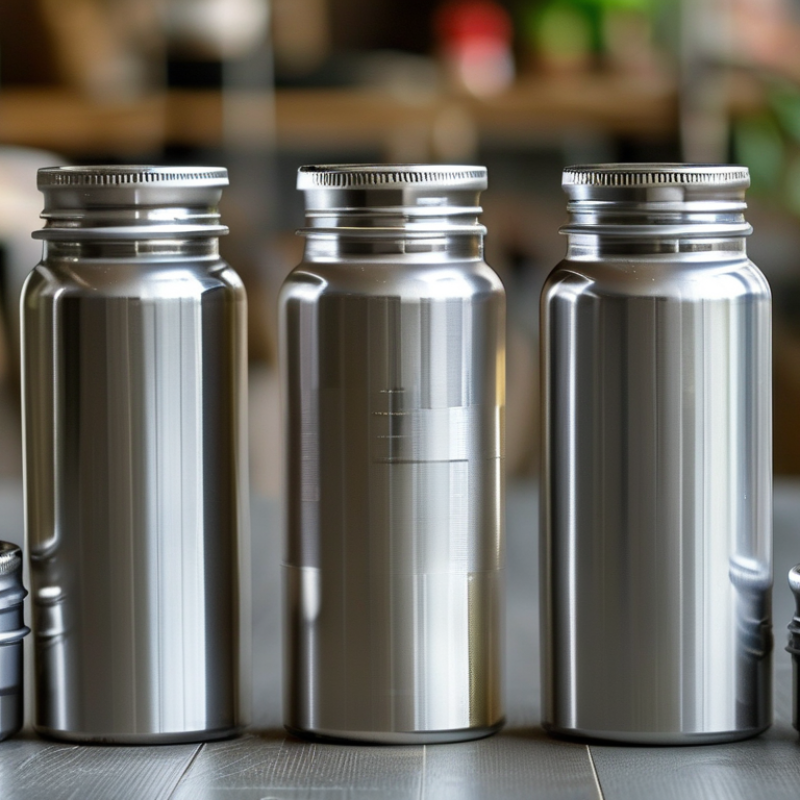
PET Plastic Jars and Aluminum Lids: Materials and Packaging Functions
PET plastic jars and aluminum lids serve different packaging functions. PET provides a lightweight, clear, and impact-resistant container. Its transparency helps buyers inspect color, texture, and fill level. It also resists many common formulations, although compatibility testing remains necessary. A formula may look stable at first, then soften the plastic after several weeks.
The aluminum lid adds a stronger barrier against light, moisture, and external odors. Its inner liner is equally important. A poor liner can weaken sealing performance or introduce unwanted interaction with the product. During packaging trials, check the jar neck, lid threads, liner pressure, and torque together. One component rarely performs well alone. Aluminum can also improve shelf appearance, but dents and scratches may affect customer perception.
Tips: Test filled samples under heat and humidity. Measure leakage, odor transfer, and lid opening force. Confirm that the jar remains stable during transport. Clear PET may need an external carton when light-sensitive contents are involved. Do not rely only on supplier specifications. Practical testing often reveals small problems early. Some packaging decisions remain imperfect, especially when cost, visibility, and barrier protection compete.
| Rank | Supplier Profile | Primary Supply Region | PET Jar Material and Grade | Typical Recycled PET Content | Typical Jar Volume Range | Common Neck Finishes | Aluminum Lid Material | Closure and Lining Options | Packaging Functions | Typical Production Capacity | Typical MOQ Range | Common End Uses |
|---|---|---|---|---|---|---|---|---|---|---|---|---|
| 1 | Supplier Profile 01 | East Asia | Food-contact PET; injection-stretch-blow molded; transparent or custom tinted | 0–100% rPET, subject to food-contact approval and application requirements | 30–1,000 ml | 38 mm, 45 mm, 53 mm, 63 mm continuous-thread finishes | Aluminum alloy 3003 or 8011; smooth or embossed surface | Pressure-sensitive, induction-compatible, or plastisol-lined closures | Lightweighting, product visibility, tamper evidence, moisture protection, and resealability | Approx. 20–120 million jars per year | 10,000–50,000 units | Powders, supplements, confectionery, cosmetics, and dry foods |
| 2 | Supplier Profile 02 | South Asia | High-clarity virgin PET with optional UV absorber and color masterbatch | 0–50% rPET, depending on clarity and regulatory requirements | 50–750 ml | 38 mm, 48 mm, 53 mm, 63 mm screw-neck finishes | Aluminum 8011-H14 or equivalent closure-grade alloy | EPE, pulpboard, plastisol, and induction-seal liner systems | Product protection, shelf presentation, tamper indication, and controlled dispensing | Approx. 15–80 million jars per year | 5,000–30,000 units | Herbal products, spices, nutraceuticals, personal care, and household powders |
| 3 | Supplier Profile 03 | Southeast Asia | PET suitable for wide-mouth jars; options for thick-wall and impact-resistant designs | 0–100% rPET for non-food applications; lower levels may be used for high-clarity formats | 100–2,000 ml | 53 mm, 63 mm, 70 mm, 89 mm wide-mouth finishes | Aluminum 3003 or 8011 with clear, colored, or printed coating | Foam, paperboard, plastisol, and pressure-sensitive liner options | High fill accessibility, stackability, impact resistance, oxygen and moisture barrier when sealed | Approx. 10–70 million jars per year | 10,000–40,000 units | Food ingredients, pet treats, vitamins, body scrubs, and industrial powders |
| 4 | Supplier Profile 04 | Western Europe | Food-contact PET with documented resin traceability and lightweight preform design | 25–100% rPET, depending on the required appearance and compliance route | 60–1,500 ml | 38 mm, 45 mm, 63 mm, 70 mm standard screw finishes | Recyclable aluminum alloy with water-based or solvent-based exterior coating | Plastic-free paperboard, EPE, induction, and tamper-evident liner configurations | Circular-material positioning, resealing, tamper evidence, and protection from contamination | Approx. 8–60 million jars per year | 20,000–100,000 units | Organic foods, premium supplements, cosmetics, and specialty ingredients |
| 5 | Supplier Profile 05 | North America | FDA-oriented PET packaging grades; clear, opaque, amber, and custom-color options | 0–100% rPET, subject to resin qualification and end-use requirements | 30–1,200 ml | 38 mm, 45 mm, 53 mm, 63 mm continuous-thread finishes | Aluminum 3003 or 8011 with anodized, coated, or printed finish | Induction seal, foam liner, plastisol liner, and tamper-evident configurations | Brand-neutral product protection, shelf appeal, dosage access, and tamper visibility | Approx. 12–100 million jars per year | 10,000–75,000 units | Sports nutrition, pharmaceuticals, food supplements, and cosmetics |
| 6 | Supplier Profile 06 | Eastern Europe | Virgin PET and rPET blends for rigid jars; optional thick-base designs | 0–50% rPET for high-clarity packaging; higher content available for selected uses | 100–1,000 ml | 48 mm, 53 mm, 63 mm, 70 mm screw-neck formats | Aluminum 8011 closure stock with plain, lacquered, or embossed finish | Foam, pulpboard, PE, and induction-seal liner choices | Rigid protection, moisture control, easy opening, and repeat closure | Approx. 6–45 million jars per year | 15,000–60,000 units | Confectionery, powdered foods, dietary supplements, and personal care |
| 7 | Supplier Profile 07 | Middle East | UV-stabilized PET and amber-tinted PET for light-sensitive products | 0–30% rPET when enhanced clarity or UV performance is required | 50–750 ml | 38 mm, 45 mm, 53 mm, 63 mm neck finishes | Aluminum alloy 3003 or 8011 with corrosion-resistant internal coating | Plastisol, EPE, induction, and pressure-sensitive sealing systems | Light protection, contamination control, tamper evidence, and transport durability | Approx. 5–35 million jars per year | 5,000–25,000 units | Botanical products, spices, supplements, cosmetics, and dry ingredients |
| 8 | Supplier Profile 08 | Latin America | General-purpose PET jars with transparent, translucent, and opaque color options | 0–50% rPET, depending on local availability and product-contact requirements | 60–1,000 ml | 45 mm, 53 mm, 63 mm, 70 mm continuous-thread finishes | Aluminum 8011 with plain, lithographed, or coated exterior | Paperboard, foam, induction, and tamper-evident liner options | Cost-efficient rigidity, product visibility, shelf stability, and resealable access | Approx. 5–30 million jars per year | 10,000–50,000 units | Coffee, spices, snacks, vitamins, and personal care products |
| 9 | Supplier Profile 09 | Oceania | Lightweight PET with recycled-content options and controlled wall-thickness distribution | 30–100% rPET for suitable non-sensitive or approved food-contact applications | 50–500 ml | 38 mm, 45 mm, 53 mm, 63 mm screw finishes | Recyclable aluminum 3003 or 8011 with low-impact coating options | Induction, pulpboard, EPE, and tamper-evident sealing systems | Material reduction, recyclability, product protection, and convenient reclosure | Approx. 3–25 million jars per year | 10,000–40,000 units | Health foods, supplements, cosmetics, and specialty dry goods |
| 10 | Supplier Profile 10 | Africa | Durable PET jars designed for ambient distribution and varied filling conditions | 0–50% rPET, subject to local resin supply and product requirements | 100–1,500 ml | 53 mm, 63 mm, 70 mm, 89 mm wide-mouth finishes | Aluminum 8011 or 3003 with plain, colored, or embossed finish | Foam, pulpboard, plastisol, and induction-compatible liners | Impact resistance, moisture protection, filling convenience, tamper indication, and reusability | Approx. 2–20 million jars per year | 5,000–30,000 units | Staple foods, spices, agricultural products, supplements, and household powders |
This website uses cookies to ensure you get the best experience possible. Learn more.