What Are the Top Private Label Body Care Products?
What makes a body care product worth placing under a private brand? The answer is rarely its label alone. The best Private Label Body Care products combine dependable performance, safe formulations, attractive presentation, and realistic pricing. Popular options include moisturizing lotions, exfoliating scrubs, nourishing body oils, creamy washes, hand creams, and deodorants. Each category serves a different daily need. A lightweight lotion may suit warm climates, while a richer butter may perform better during dry winters.
Reliable evaluation begins with the formula. Buyers should review the ingredient list, product texture, scent strength, skin feel, and shelf stability. Supplier documentation also matters. Look for batch records, safety assessments, stability testing, and clear manufacturing standards. Claims should remain honest and specific. “Helps soften dry skin” is more responsible than promising a permanent cure. Small details matter, too. A pump should not clog after repeated use. A scrub should rinse clean without leaving a greasy film. Packaging must protect the product, not merely look impressive.
Top products are not always the most luxurious or expensive. They are the ones that meet customer expectations consistently. Consumer feedback, sample testing, and repeat-purchase data can reveal weaknesses before launch. Sometimes, an appealing fragrance becomes tiring after daily use. A beautiful bottle may also be awkward in a wet shower. That is easy to overlook. Brands should remain open to revision, especially when early assumptions prove wrong. This guide examines promising product types through practical quality, consumer experience, supplier reliability, and responsible market positioning.
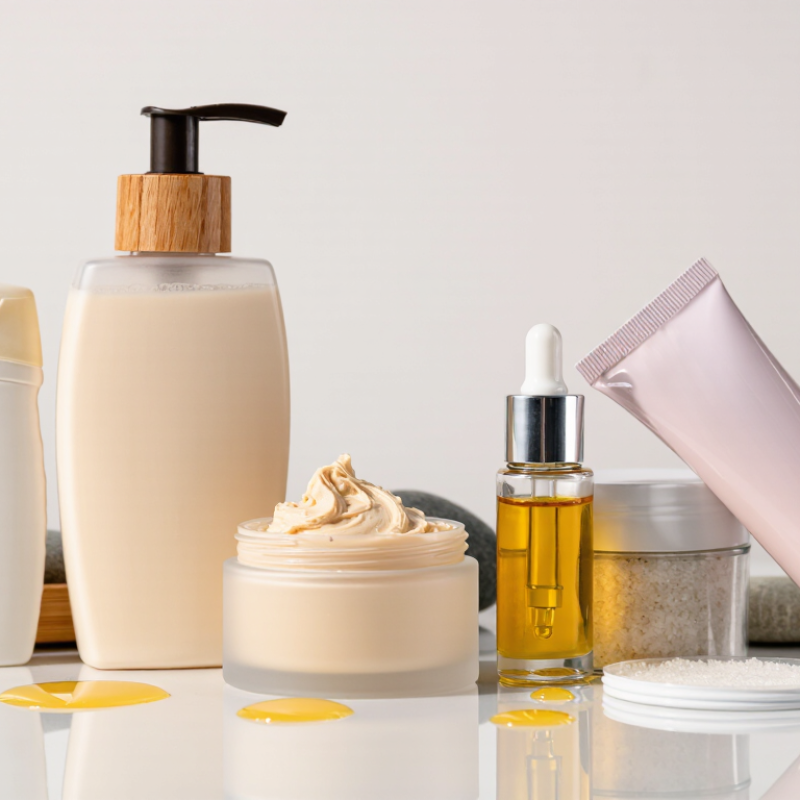
Definition and Scope of Private Label Body Care Products
Private label body care products are personal-care goods made by a specialist manufacturer and sold under another company’s label. The seller usually chooses the product type, fragrance, packaging, and target customer. The manufacturer manages formulation, production, filling, and quality checks. Ownership of the label does not always mean ownership of the formula.
The scope is broad. It can include body wash, hand soap, lotion, body butter, scrubs, deodorants, bath products, and basic shaving care. Some suppliers offer ready-made formulas with minor changes. Others develop custom products from a detailed brief. A reliable evaluation should examine ingredient lists, allergen information, stability testing, microbial controls, batch records, and packaging compatibility. Claims such as “gentle” or “moisturizing” also need evidence and careful wording.
Real-world quality depends on more than appearance. A thick cream may separate after temperature changes, while a beautiful package may protect the product poorly. Supplier audits, sample testing, and documented manufacturing practices reduce these risks. Regulatory requirements vary by market, so responsible sellers verify labeling, safety files, and permitted cosmetic claims before launch. The category is not perfectly fixed. Some products sit between cosmetics, hygiene goods, and wellness items, which can create confusion. A pleasant scent helps customer acceptance, but it cannot replace safe formulation or transparent documentation.
Key Product Categories in Private Label Body Care
What Are the Top Private Label Body Care Products?
Key Product Categories in Private Label Body Care
Private label body care works best when product categories match a clear daily routine. Body washes are a practical entry point, with creamy, gel, and fragrance-free textures. Customers often compare rinse feel, scent strength, and whether skin feels tight afterward. Lotions and body butters add moisture-focused options for dry, rough, or weather-stressed skin. A lighter lotion suits daytime use, while a richer butter supports evening routines. Simple details matter.
Body scrubs, hand creams, foot care, and deodorant products can widen the collection. Scrubs need careful particle selection and clear usage directions to reduce irritation risk. Hand and foot products benefit from targeted textures, such as quick-absorbing creams or protective balms. Deodorant development requires especially careful ingredient review and honest performance wording. Avoid promising medical results unless suitable evidence and regulations support the claim. That distinction protects trust.
From a professional sourcing perspective, each category should have stability, safety, and compatibility testing. Check preservative performance, packaging seals, batch consistency, and traceable raw material records. Consumer testing can reveal problems that a laboratory sample misses, including sticky residue or leaking pumps. Labels should match local cosmetic requirements and accurately describe the formula. One planning mistake is launching too many scents before confirming the core formula. A smaller range may be easier to improve, although it can feel less exciting. Review feedback honestly.
Top Ingredients and Formulation Considerations
Private label body care performs best when formulation choices match everyday skin needs. According to Grand View Research, the global personal care ingredients market was valued at over $30 billion in 2023. This signals strong demand for functional, recognizable ingredients. Glycerin remains useful for affordable hydration, while niacinamide can support the skin barrier and improve product positioning. Ceramides and panthenol also suit lotions designed for dry, sensitive skin.
Texture matters. A body lotion should spread quickly, absorb within minutes, and leave little residue on cotton clothing. Body washes need mild surfactants, such as betaines, rather than aggressive cleansing systems. Scrubs require careful particle selection; sharp particles can create unnecessary irritation. Preservatives are essential in water-based products, even when formulas contain botanical extracts. “Natural” does not automatically mean safe or stable.
Industry data reinforces this direction. A 2024 report from McKinsey estimated that wellness-related consumer spending continues to expand, with personal care closely linked to daily health routines. Meanwhile, Mintel research has repeatedly shown growing interest in sensitive-skin and skin-barrier claims. These claims require evidence, not attractive wording. Formulators should conduct stability, compatibility, microbiological, and human safety testing before launch. Packaging can also change performance; a wide-mouth jar may expose a cream to repeated contamination. Airless packaging may reduce that risk, but it raises cost. The difficult question is whether each premium ingredient improves measurable performance or merely decorates the label.
Factors for Evaluating Product Quality and Safety
When selecting private label body care products, quality starts with evidence, not attractive packaging. McKinsey’s 2023 beauty market report projects the sector could reach about $580 billion by 2027. That growth increases pressure on suppliers, but faster sales should never replace safety testing. Request ingredient specifications, allergen declarations, stability results, and microbiological reports before approval.
Check every formula under realistic conditions. A body lotion may sit in a warm warehouse, face repeated opening, or contact wet hands. ISO 22716 good manufacturing practices support controlled production, hygiene, batch records, and traceability. Suppliers should also provide preservative efficacy testing, often called a challenge test. Poor results can allow microbial growth. Nobody wants that.
Packaging deserves equal attention. Test pumps, caps, seals, and labels through transport simulation and temperature cycles. Review expiry dating against stability data, not guesswork. The FDA’s Modernization of Cosmetics Regulation Act expanded safety and facility responsibilities in the United States, making documentation more important than ever. However, compliance paperwork can still miss a weak formula or confusing label. Independent laboratory review adds credibility, though it costs more. That trade-off is worth examining carefully.
Choosing the Right Private Label Body Care Products for Your Brand
Choosing the Right Private Label Body Care Products for Your Brand
The right private label body care product should match your customer, price point, and daily routine. A rich body butter may suit dry-skin shoppers, while a quick-absorbing lotion fits busy professionals. Define the main use before reviewing formulas. Texture matters. Request samples and test them on clean, dry skin for several days. Note absorption time, fragrance strength, residue, and how the skin feels later. A formula can look elegant on paper and still feel sticky.
Review the ingredient list with a qualified cosmetic professional. Check the purpose of each key ingredient, potential sensitivities, and the clarity of product claims. Reliable suppliers should provide batch information, stability data, microbial testing, packaging details, and transparent minimum order quantities. Test the product inside its final container, not only in a laboratory sample jar. Packaging may leak, clog, or change the texture during storage. Test it twice. Ask how production quality is monitored from filling to shipment. Your first choice may still need adjustment after customer feedback. That is not failure; it is useful evidence. Avoid selecting products only because they are popular or inexpensive. A lower unit cost cannot repair poor spreadability, weak documentation, or inconsistent batches. Choose a supplier that answers specific questions clearly and supports compliant labeling for your target market. Reliability becomes part of the product experience.
What Are the Top Private Label Body Care Products?
Choosing the right private label body care products depends on repeat-purchase potential, formulation complexity, packaging flexibility, and opportunities for ingredient or claim-based differentiation.
The opportunity score is a transparent planning benchmark on a 10-point scale, combining everyday-use frequency, private-label suitability, product stability, and room for brand differentiation. It is not a market-share measurement.