Why Choose a Car Rooftop Tent for Camping?

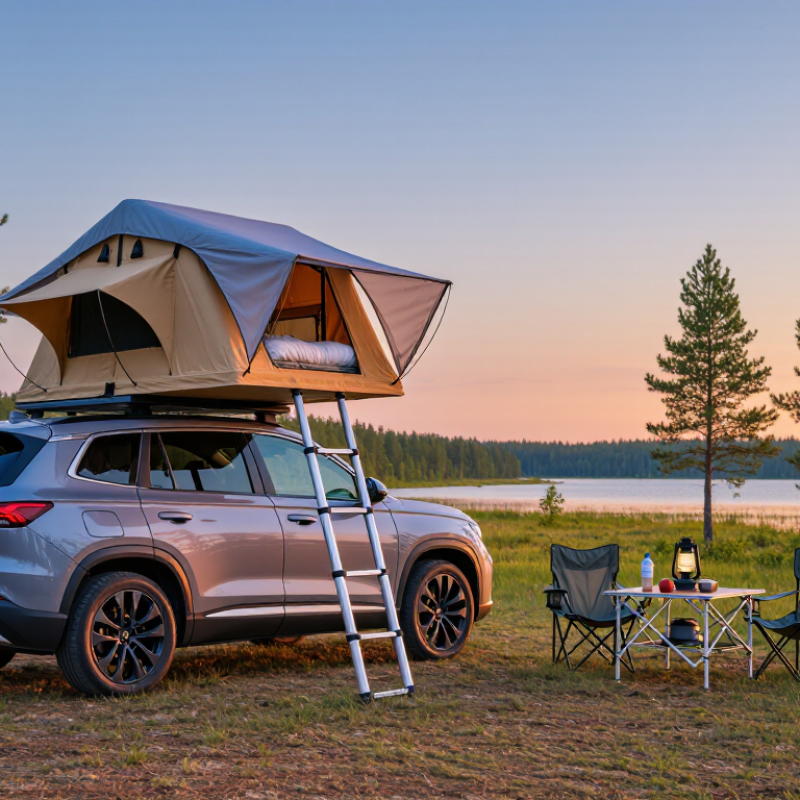
A campsite can feel very different when your bed is already above the ground. A Car Rooftop Tent turns a parked vehicle into a compact sleeping space, often with a mattress and built-in cover. You can leave the ground tent at home. That may mean less time searching for flat, dry soil and more time watching evening light settle across the campsite.

The appeal is practical, not magical. Setup can be quick after practice, and sleeping above muddy ground may feel more comfortable in wet conditions. Scott Brady, founder and publisher of Overland Journal, describes overlanding as “self-reliant travel to remote destinations where the journey is the principal goal.” A rooftop tent can support that kind of travel by keeping basic shelter close at hand. Still, the right choice depends on your vehicle, route, and camping habits.

There are trade-offs. A tent adds weight and height, which can affect vehicle handling, fuel use, and access to low-clearance parking. Climbing a ladder at night may also be inconvenient, especially with children or limited mobility. Check your vehicle’s roof-load limits and the tent’s mounting requirements before buying. Then consider how often you will actually use it. That part is easy to overlook. A rooftop tent is not automatically better than a ground tent; it is a different setup, with real advantages and a few awkward details.
Why Choose a Car Rooftop Tent for Camping?

What Is a Car Rooftop Tent?

A car rooftop tent is a fabric or hard-shell shelter secured to a vehicle’s roof rack. It opens into an elevated sleeping space, usually with a built-in mattress and a fold-down ladder. Soft-shell models unfold like a book; hard-shell versions typically lift from a compact roof box. Either way, the car becomes part of the campsite. Not a magic upgrade.

The setup can keep bedding off damp ground and free up space inside the vehicle. But fit matters: check the vehicle and rack manufacturers’ load limits, including both driving and parked conditions. Also consider ladder placement, opening clearance, and how much extra height the tent adds. The Outdoor Industry Association’s 2024 Outdoor Participation Trends Report estimates that 175.8 million Americans took part in outdoor recreation in 2023. That broad participation figure signals interest in outdoor trips, not rooftop-tent ownership specifically.

Tips: Before buying, measure your parked vehicle’s roof area and check the rack’s rated capacity. Practice opening and closing the tent at home; wrestling with a ladder after dark is no fun. A rooftop tent can be convenient, but it may add wind resistance and make a quick overnight stop less simple than expected. I would weigh those trade-offs against how often I actually camp.

How Is a Rooftop Tent Installed and Used?

A car rooftop tent can keep your sleeping area above wet grass, shallow puddles, and uneven ground. Getting it there safely takes more than lifting it onto the roof. Check the vehicle and roof-rack load limits, including whether each figure applies while driving or when parked. The tent, rack, and mounting hardware all contribute to the load. Small details matter.

Install the tent on level ground, with another person helping to lift and position it. Align its mounting channels with compatible crossbars, then fit and tighten every clamp as directed in the tent instructions. Do not guess at torque or substitute hardware. After a short, low-speed drive, stop somewhere safe and check that the mounts remain secure. It is easy to rush this part. That can be a mistake.

At camp, park on firm, reasonably level ground and set the ladder at a stable angle. Keep the entrance clear, and use the tent’s ventilation openings to limit condensation. Follow the instructions for opening, closing, and securing the fabric in changing weather. Before driving, stow bedding and loose items, close every panel, and confirm the ladder is secured. Packing a damp tent happens, but dry it fully at the next opportunity to reduce mildew and lingering odors.

What Camping Advantages Does a Rooftop Tent Offer?

A rooftop tent gives campers an elevated sleeping platform, keeping bedding off damp soil, small puddles, and crawling insects. On a rocky site, that can mean less searching for a flat patch and fewer stones pressing through the mattress. Setup is often quicker than pitching a ground tent, though raising and lowering the tent still takes effort. A level vehicle matters. So does checking the roof’s load limits and the tent’s total weight before travel.

The Outdoor Industry Association’s 2024 Outdoor Participation Trends Report estimates that 175.8 million Americans took part in outdoor recreation in 2023. The National Park Service recorded 325.5 million recreation visits that year. These figures do not prove that rooftop tents reduce campsite crowding, but they show why convenient camp setups appeal to many travelers. An elevated tent can also leave gear stored inside the vehicle and create a clear sleeping area above muddy ground. There is a trade-off: climbing a ladder at night is awkward, and wind or condensation can make the experience less comfortable. I would check the forecast, parking surface, and access to the ladder before settling in. Not every site suits one.

What Limitations and Safety Factors Should Campers Consider?

A rooftop tent saves ground space, but it raises the sleeping area and the vehicle’s center of gravity. That changes how the vehicle feels on uneven tracks and in crosswinds. NHTSA’s rollover safety guidance notes that rollovers account for nearly 30% of fatal crashes. This is not a tent-specific statistic, but it is a useful reminder: added roof equipment deserves careful loading and slower driving.

Check the owner’s manual for both dynamic roof-load limits and approved rack capacity. Include the tent, rack, and other roof cargo in your calculations. Federal Motor Vehicle Safety Standard 216a tests roof-crush resistance in a crash; it does not certify a roof to carry a tent and occupants while parked. The distinction is easy to miss. Secure every latch, inspect mounts for movement, and avoid overloading one side.

Weather and access matter, too. A gust can make a high-sided setup feel exposed, while wet ladder rungs become slick under muddy boots. Choose firm, level ground away from overhanging branches, and check forecast wind before climbing up. Measure the vehicle’s new height before entering garages or wooded routes. I would not assume a familiar campsite is automatically suitable; clearance and ground conditions can change.

Why Choose a Car Rooftop Tent for Camping? — What Limitations and Safety Factors Should Campers Consider?

Dimension Potential benefit Limitations and trade-offs Safety factors to consider
Setup and pack-down A rooftop tent can provide a ready-made sleeping area and may be quicker to set up than pitching some ground tents. Setup still takes time, and packing a wet tent can require drying it later to limit mildew. Roof access may be awkward for some campers. Follow the tent maker’s setup instructions. Secure all latches and covers before driving, and use the ladder as directed.
Sleeping location Sleeping above the ground can help avoid uneven, damp, or muddy surfaces and some ground-level crawling insects. It does not guarantee protection from insects, weather, wildlife, or condensation. A suitable parking spot is still essential. Choose a stable, legal parking area away from falling branches, flood-prone ground, and other hazards. Keep food stored appropriately.
Vehicle and roof compatibility The tent travels with the vehicle and can be useful where the vehicle can reach an appropriate campsite. Not every vehicle or roof-rack system is suitable. A tent adds weight and height, and may affect fuel economy, handling, and access to low-clearance areas. Check the vehicle and rack manufacturers’ load limits and installation requirements. Account for the tent, rack, and other roof-mounted equipment; do not assume one vehicle’s limit applies to another.
Load ratings A properly matched setup can support the tent during travel and use when installed within its specified limits. Dynamic roof-load ratings (while driving) and static ratings (when parked) are different. Limits vary by vehicle, rack, mounting method, and tent. Never exceed the lowest applicable rating in the vehicle, roof-rack, or tent instructions. Confirm whether the stated rating includes the rack and other accessories.
Access and mobility The elevated sleeping platform can keep bedding away from ground moisture and debris. Climbing a ladder can be difficult for children, people with limited mobility, or anyone getting up during the night. Access may be less convenient in bad weather. Place the ladder on firm, level ground and secure it as instructed. Use handholds, keep the access area clear, and supervise children.
Weather and exposure Some models include a rainfly or weather-resistant materials that help shelter occupants when used correctly. A rooftop tent is not a substitute for checking forecasts. Strong winds, heavy rain, lightning, and extreme temperatures can make camping unsafe or uncomfortable. Observe the tent’s weather limits and campsite guidance. Close openings as appropriate, ventilate to reduce condensation, and leave exposed areas when conditions become hazardous.
Driving and vehicle use The sleeping setup stays with the vehicle, which can simplify moving between campsites. The added height can make garages, branches, and other overhead obstructions hazardous. Extra roof weight may change vehicle behavior. Measure the vehicle’s total height with the tent packed. Drive cautiously, allow for changed handling, and recheck mounts and fasteners as directed by the manufacturers.
Cost, storage, and everyday use A tent that remains mounted can be convenient for frequent trips. Purchase, rack installation, maintenance, and storage can add cost. Leaving it mounted may be inconvenient for daily driving or vehicle storage. Inspect fabric, seams, hinges, mounting hardware, and ladder regularly. Remove or store the tent according to its instructions when required.

Planning reminder: Product specifications and vehicle load limits differ. Consult the manuals for the specific vehicle, roof rack, and tent before installation, travel, or use.

How Can Campers Choose the Right Rooftop Tent?

Why Choose a Car Rooftop Tent for Camping?

How Can Campers Choose the Right Rooftop Tent?

Start with your vehicle, not the tent’s sleeping capacity. Check the owner’s manual for the roof’s dynamic load limit, then include the rack and tent weights. Dynamic limits apply while driving; parked loads are different. Confirm that the rack is approved for your vehicle and installed correctly. A few extra kilograms matter. KOA’s 2024 North American Camping & Outdoor Hospitality Report estimated that 58 million North American households camped in 2023, reflecting broad interest in camping—but the best setup still depends on your own trips. Consider how often you will move campsites, too. A heavy tent may be tiring to install or remove.

Compare usable sleeping space, packed dimensions, setup time, and weather protection. Check whether the ladder reaches your chosen parking surface safely. Look for clear ventilation and rain-cover details, not just a high capacity claim. A tent that fits the vehicle can still feel cramped when bags and bedding fill the floor. No checklist removes every compromise.

Tips: Measure your roof and storage space before buying. Ask the seller for the tent’s exact weight and compatible rack requirements. Test the setup at home, then check every fastener before driving. A small mistake is easy to miss.

This website uses cookies to ensure you get the best experience possible. Learn more.