Why Choose a Flying Inflatable Boat for Your Business?
A Flying Inflatable Boat can give a business a practical way to reach shallow bays, sheltered beaches, and remote work sites. Its inflatable structure may simplify transport and storage, while its operating range, payload, and setup requirements depend on the specific model. That distinction matters. A product name alone cannot confirm performance. Buyers should review manufacturer specifications, test procedures, service support, and suitability for their operating conditions before making a decision.
A fictional composite industry expert, marine operations adviser Daniel Reeves, offers this illustrative observation: “The right boat is the one your crew can launch, maintain, and use confidently—not simply the one with the most striking design.” Treat that as a framing statement, not a verified quotation from a real person. For a business, the decision also involves crew training, storage space, fuel or power needs, and the cost of routine upkeep. Picture a narrow launch area, damp equipment, and a team working to a tight schedule; small practical details can shape the value of a purchase. There may be trade-offs. A model that suits one shoreline or job may not suit another. Careful comparisons help businesses judge whether a Flying Inflatable Boat fits their work, budget, and day-to-day operating needs.
What Is a Flying Inflatable Boat?
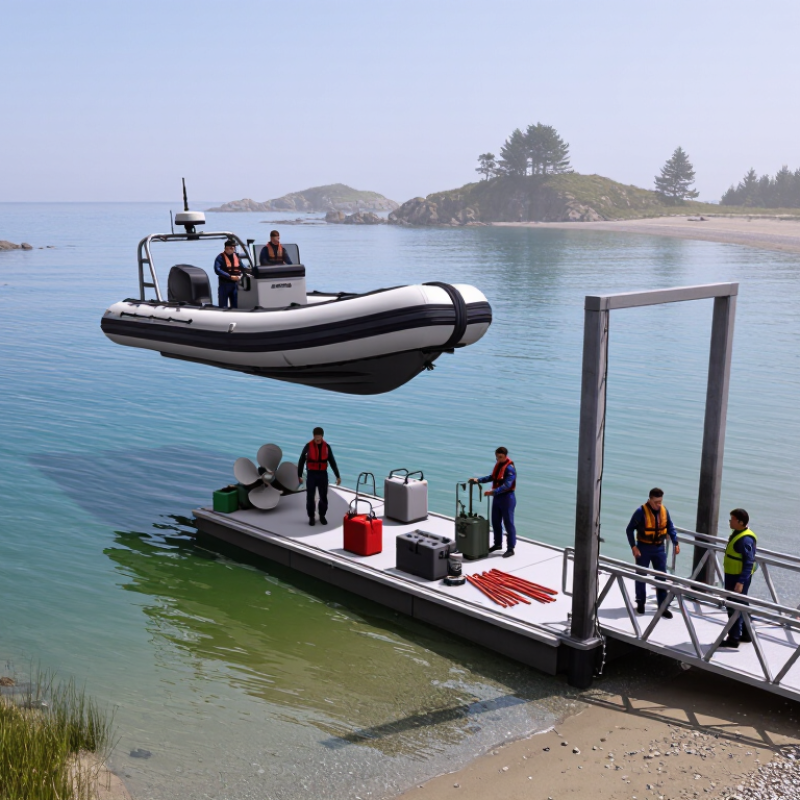
A flying inflatable boat is a purpose-built craft that combines an inflatable hull with a wing and a powered propulsion system. Unlike a conventional inflatable boat, it can use aerodynamic lift to travel above the water. The hull provides buoyancy during launch, landing, and low-speed operation. Depending on the design, an engine-driven propeller supplies thrust while a flexible wing generates lift. The details matter. A standard inflatable boat cannot simply be fitted with a wing and made to fly. Its structure, balance, controls, and load limits must work together.
For a business, this design may offer access to shorelines and shallow-water locations that are difficult to reach by road. Picture a crew checking the hull seams, fuel, and weather before departure; small oversights can become serious in remote areas.
The idea sounds simple. It isn’t.
Operators need suitable pilot training, clear maintenance routines, and realistic plans for changing wind or water conditions. Payload affects performance, so passengers and equipment must stay within the craft’s specified limits. A flying inflatable boat can be useful for specialized transport or water-based services, but it is not automatically cheaper or easier than a boat and aircraft kept separately. The best fit depends on the route, workload, and support available.
How Does a Flying Inflatable Boat Operate?
A flying inflatable boat usually combines an inflatable hull, a fabric paraglider wing, and a propeller-driven power unit. The wing is inflated by airflow as the craft moves forward. Thrust comes from the propeller, while the pilot steers the canopy using control lines and adjusts power with the throttle. On the water, the hull floats and provides the takeoff platform. As speed builds, the wing generates lift and carries the craft into the air.
The transition matters. Wind direction, passenger load, water chop, and weight distribution can all affect handling. Operators need to check the wing, lines, engine, and hull before each outing, then stay within the craft’s stated operating limits. Small details count: a twisted line or loose item can become a real distraction. This phase is easy to underestimate.
The U.S. Coast Guard’s 2023 Recreational Boating Statistics recorded 4,040 recreational boating accidents and 564 deaths. Those figures cover boating broadly, not flying inflatable boats specifically, but they reinforce the need for disciplined operation. A flying boat also introduces airborne factors that ordinary inflatable craft do not face. Training should include controlled water runs and flight practice with a qualified instructor. Conditions can change quickly. Even experienced operators may need to rethink a launch when wind or visibility shifts.
What Business Advantages Can It Offer?
A flying inflatable boat can give a tour or waterfront service more ways to reach customers. Its flexible hull may be easier to handle and store than many rigid craft, depending on the model. Some designs operate across water and prepared land, but confirm this capability and its limits before planning routes. That flexibility may help businesses serve remote shorelines or offer distinctive sightseeing trips. Not always.
Portability can reduce storage needs and simplify transport between launch points. A compact setup may also help a team respond to seasonal demand without keeping a large vessel permanently docked. The customer experience is another asset: close-to-water views and an unhurried ride can make even a short trip feel distinctive. Customers notice the difference. Access to shallow or less-developed areas may open routes that standard boats cannot manage comfortably.
Business value still depends on practical checks: payload, range, weather limits, maintenance intervals, and crew training. Inflatable materials need routine inspection for abrasion, seam wear, and pressure loss; neglect can erase expected savings. Budget for fuel, insurance, storage, and downtime, too. A real trade-off. The novelty can fade if routes, schedules, or passenger comfort are poorly planned. Actual performance varies with the boat’s configuration and operating conditions.
Which Industries Can Use a Flying Inflatable Boat?
A flying inflatable boat may suit coastal tourism operators who need access to shallow beaches, lagoons, and remote islands. It can carry guests over water and land in places where docks are limited, subject to aircraft design, weather, and local operating rules. The opportunity is significant: the World Travel & Tourism Council’s 2024 Economic Impact Research estimated that travel and tourism would contribute US$11.1 trillion to global GDP in 2024. That figure does not guarantee demand for this craft, but it shows the scale of the wider visitor economy. Keep trips short and scenic.
Aquaculture and fisheries operators could use one for visual checks of pens, shore facilities, and hard-to-reach water sites. The FAO’s The State of World Fisheries and Aquaculture 2024 reported 223.2 million tonnes of global fisheries and aquaculture production in 2022. A boat that can move between water and suitable land may reduce some access friction, though it is not a substitute for specialized inspection equipment. Conditions matter.
Emergency-response teams and environmental survey crews may also value rapid access to isolated shorelines. Aerial views can help locate debris, inspect flood damage, or coordinate field teams, while the inflatable hull supports water-based operations. Yet payload, range, visibility, and changing winds can limit useful missions. Not every site is suitable. Operators should test the craft against real routes, maintenance capacity, and crew training before building services around it.
What Factors Should Businesses Consider Before Buying One?
Why Choose a Flying Inflatable Boat for Your Business?
What Factors Should Businesses Consider Before Buying One?
A flying inflatable boat can serve remote-site transfers, inspections, and water access where docks are scarce. But buying one means evaluating both marine and flight operations. Start with the real payload: crew, passengers, fuel, safety gear, and tools. Then check range, takeoff and landing conditions, storage space, and support for engines and fabric repairs. Salt, sunlight, and repeated inflation can wear materials faster than expected. A brochure cannot show every rough landing.
Reliability and safety affect operating costs, too. The U.S. Coast Guard’s 2023 Recreational Boating Statistics reported 564 recreational boating deaths; 75% of drowning victims were not wearing life jackets. That figure is a reminder to assess safety equipment, crew training, emergency procedures, and passenger briefing time. Ask suppliers for documented performance under representative loads, maintenance intervals, and applicable aviation and marine approvals. Check insurance and local operating requirements before committing. A planned route may look simple on paper, yet wind, water conditions, and downtime can change the economics.
Tips: Test the craft with a realistic load. Compare fuel use, setup time, and storage needs across several trips. Budget for training and routine inspections. Keep a reserve for repairs; estimates are rarely perfect. Decide what level of weather disruption your business can tolerate.
Why Choose a Flying Inflatable Boat for Your Business?
Compare theoretical buoyancy with chamber volume when assessing an inflatable boat. Before buying, also verify the boat’s rated capacity, engine compatibility, materials, transport requirements, and intended operating conditions.
Theoretical estimate: one litre of fresh water has a mass of approximately one kilogram. These figures represent displaced-water mass equivalent only; they are not a boat’s safe load rating. Use the manufacturer’s rated capacity and allow for the boat, engine, fuel, equipment, and occupants.