Sports Cooler Bags have become practical equipment for buyers serving outdoor, travel, fitness, and hospitality markets worldwide. They keep drinks chilled during long matches, weekend hikes, and crowded event days. A reliable bag can also protect food from heat, dust, and accidental leakage. That matters when customers expect convenience without sacrificing safety.
For global buyers, product selection requires more than checking size and color. Insulation thickness, liner quality, stitching, zipper performance, and handle strength affect daily use. A buyer should request material details, capacity measurements, sample testing, and clear production records from suppliers. Independent quality checks can confirm temperature retention and resistance to repeated opening. Packaging should also protect the bags during international transport. Small details matter.
Market experience shows that attractive designs do not always indicate dependable performance. Some bags look impressive but lose cold quickly under direct sunlight. Others feel strong but develop weak seams after frequent loading. This is where careful testing becomes essential. Buyers should compare real samples, not only digital photos. Customer preferences also differ across regions, so one design rarely fits every market. That point is easy to overlook. Ethical sourcing, accurate product claims, and transparent communication build trust with distributors and end users. Sports Cooler Bags are not merely promotional accessories; they are functional products judged through everyday performance. A thoughtful purchasing decision considers comfort, durability, safety, storage space, and responsible manufacturing together. Mistakes can happen, but documented testing makes them easier to identify and correct.
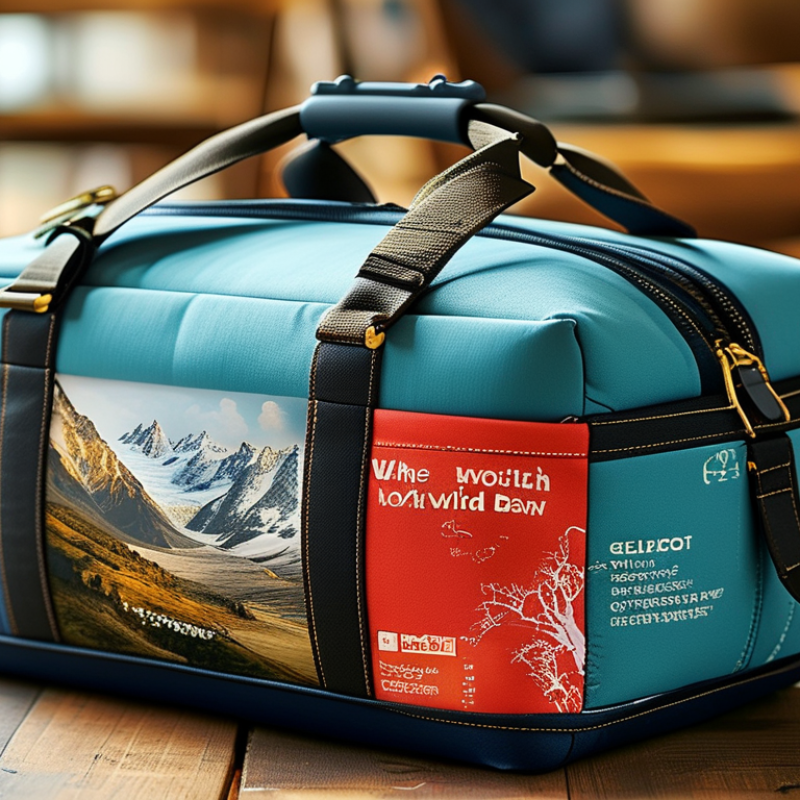
Sports cooler bags are insulated food and beverage carriers designed for athletes, coaches, and active travelers.
Their layered construction usually combines an outer textile shell, thermal foam, and a leak-resistant inner lining. This structure slows heat transfer during training, tournaments, and long commutes.
It does not create cold by itself. Ice packs still matter.
Demand reflects a large active audience. The 2024 SFIA Topline Participation Report recorded 242.2 million Americans participating in at least one sport or fitness activity in 2023. Many carry water, fruit, sandwiches, electrolyte drinks, or recovery meals.
A properly sized cooler bag keeps these items organized and easier to reach. USDA Food Safety and Inspection Service guidance recommends limiting perishable food to two hours outside refrigeration, or one hour above 90°F.
That detail is easy to ignore. It should not be.
Tips: Choose thick insulation, welded seams, and wide openings for cleaning. Use separate ice packs around dairy, meat, or cooked meals. Check the internal temperature when traveling internationally, because hot climates can expose weak insulation quickly. Soft bags are lighter, but rigid containers often protect delicate food better. One practical weakness remains: overloaded bags lose cooling efficiency faster. Avoid packing them tightly. Leave some space for cold air circulation and inspect the lining after every demanding trip.
Why Are Sports Cooler Bags Essential for Global Buyers?
The FDA Food Code 2022 requires cold food to stay at 41°F (5°C) or below. This limit controls bacterial growth during storage, transport, and service. It is a US model standard, but global buyers often use it as a practical safety benchmark. The FDA also recommends checking food temperatures with a calibrated thermometer, not by touch. A bag may feel cold while its contents are already unsafe.
Professional data shows why control matters. The CDC estimates that 48 million people in the United States suffer foodborne illness each year. The USDA Economic Research Service reports that foodborne illness creates billions of dollars in annual economic costs. These figures make temperature protection more than a packaging preference. Insulated sports cooler bags can reduce heat exposure during outdoor sales, commuting, and cross-border delivery. Still, insulation alone cannot create cold. That assumption needs questioning.
Tips: Pre-chill the bag and food. Use frozen gel packs around dense items. Leave minimal empty space. Record temperatures at dispatch and arrival. Keep the lid closed. Replace damaged insulation. The FDA Food Code supports frequent monitoring, yet real transport conditions remain imperfect. Sunlight, repeated opening, and delayed handoffs can quickly change the internal temperature. A reliable cooler is useful, but disciplined handling matters more.
For outdoor sports, a cooler bag is more than a convenient carrier. It helps control temperature when food travels from a kitchen to a field, beach, or training ground. The USDA advises keeping perishable food out of refrigeration for no more than two hours. Above 90°F (32°C), the limit becomes one hour. Bacteria can multiply quickly, even when food still looks normal.
A well-designed cooler bag slows this temperature rise. Choose one with thick insulation, a tight closure, and enough space for frozen ice packs. Keep the bag at 40°F (4°C) or below when possible. Pre-chill the food before packing it. Place ice packs around, not only beneath, containers. Use a small thermometer for better control. Guessing is risky.
Keep raw meat sealed away from fruit, drinks, and ready-to-eat meals. Open the bag only when necessary. After serving, return leftovers immediately, or discard them when the time limit has passed. A cooler bag reduces risk, but it cannot make unsafe food safe again. Ice melts. Conditions change. Outdoor heat, direct sunlight, and repeated opening can defeat good insulation.
For global buyers, clear temperature guidance matters more than attractive appearance. Product instructions should explain capacity, cleaning, closure quality, and expected cooling performance. Local food-safety rules may differ, so users should check regional advice. In real use, people often pack too much and monitor too little. That is worth reconsidering.
The World Health Organization estimates that unsafe food causes about 600 million illnesses worldwide each year. This figure shows why food handling deserves attention beyond restaurants and factories. During travel, outdoor events, and delivery, food can remain warm for hours. Bacteria may multiply before smell or appearance changes.
A sports cooler bag helps slow temperature changes during short journeys. Its insulated walls can protect chilled meals, fruit, dairy products, and drinks from direct heat. A secure zipper also limits dust, spills, and contact with unclean surfaces. For global buyers, practical details matter. Strong handles, washable interiors, leak-resistant lining, and suitable capacity support safer daily use.
Cold storage is not magic. Ice packs must be frozen, and the bag should stay closed as much as possible. Perishable food should not sit in unsafe temperatures for long periods. This is where users may become careless. A thick bag cannot replace clean hands, safe packing, or local food-safety guidance. In my experience with travel preparation, separating raw and ready-to-eat foods is easy to overlook. One small container can leak. A towel or sealed inner pouch may prevent wider contamination. Buyers should also check insulation quality, stitching, ventilation, and cleaning instructions before choosing a cooler bag. These modest checks can reduce avoidable risks when food moves across busy cities, hot roads, and changing climates.
Why Are Sports Cooler Bags Essential for Global Buyers?
Global buyers judge sports cooler bags by usable capacity, not printed volume. A 20-liter label may include insulation and pockets. Measure the actual compartment with standard containers. The Outdoor Industry Association’s 2024 Outdoor Participation Trends Report recorded 175.8 million U.S. outdoor participants in 2023. That scale increases demand for compact, dependable cooling during matches, hiking, and travel.
Thermal retention needs evidence. USDA guidance recommends keeping perishables at 40°F (4.4°C) or below. Buyers should request test results showing internal temperature over time, not only “all-day cooling.” A practical test uses a fixed ice-pack ratio, a closed zipper, and a 25°C room. Results can change with sunlight and opening frequency. That detail is often missed. Materials also matter. Dense insulation improves retention, while reinforced polyester or TPU supports abrasion resistance. Food-contact surfaces should be assessed under applicable regulations, including EU Regulation (EC) No 1935/2004 and REACH requirements. Compliance documents must match the final material, coating, zipper, and printing ink.
Tips: Ask for usable liters, empty weight, seam construction, and independent thermal data. Check whether the test reflects your climate. A cooler can look excellent, yet perform poorly after repeated folding. Buyers should also request migration testing, traceability records, and factory quality procedures. The Global Wellness Institute’s 2024 report valued the physical-activity economy at about $1.1 trillion in 2022, but market growth does not guarantee product quality. Careful verification still matters.
This website uses cookies to ensure you get the best experience possible. Learn more.