What is an American Bottom Bracket and How to Choose One?
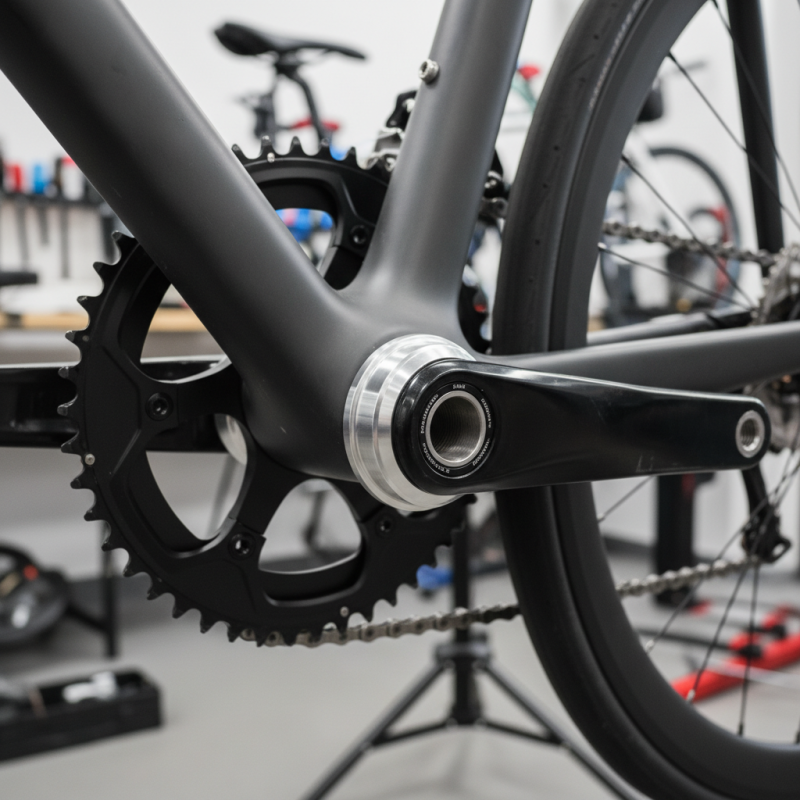
When it comes to cycling performance, the choice of an American bottom bracket can significantly impact your ride. This component serves as the connection point between the frame and the crankset. Understanding its design and characteristics is crucial for any cyclist looking to enhance their bike's efficiency.
Selecting the right American bottom bracket requires considering factors such as compatibility and material. There are various options available, each with unique features. The wrong choice can lead to poor performance. It may also cause premature wear on other components.
Many cyclists underestimate the importance of this part. However, a well-chosen bottom bracket can improve smoothness and power transfer. With a bit of reflection, choosing the right American bottom bracket can elevate your cycling experience. It’s worth taking the time to research your options carefully.
What is an American Bottom Bracket?
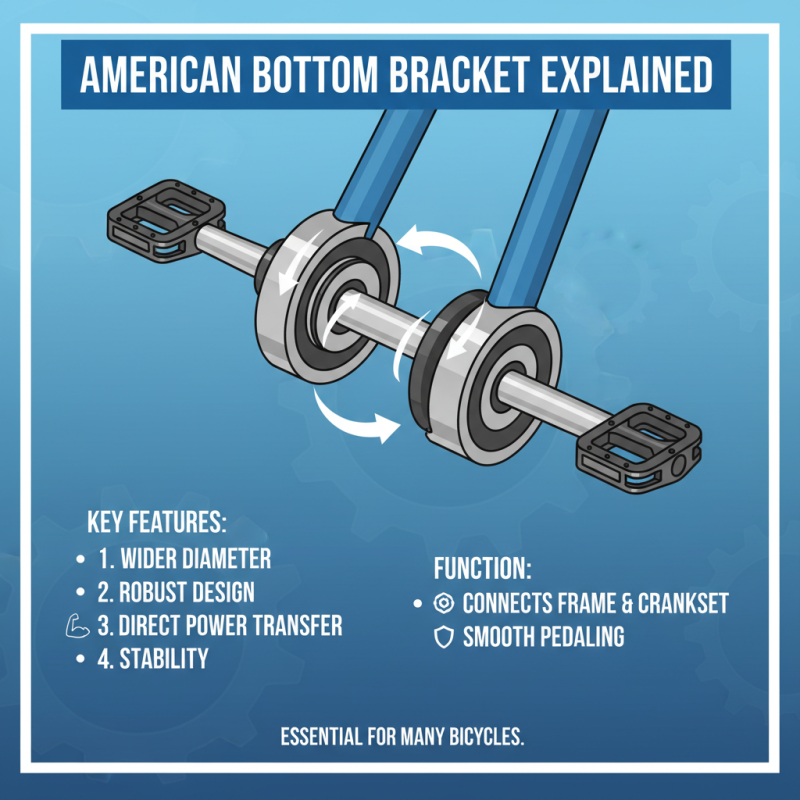
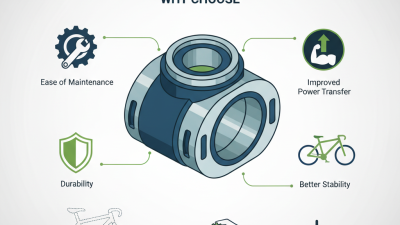
An American bottom bracket is a crucial component for many bicycles. It connects the bike frame to the crankset, allowing for smooth pedaling. Unlike other types, it typically features a wider and more sturdy design. This construction helps provide better power transfer and stability. Understanding its specifications is essential for any bike enthusiast.
Choosing the right American bottom bracket involves considering several factors. The width and thread type are critical aspects to check. Many riders find that compatibility with their frame is a common concern. Some options may require special tools for installation. This can be a hurdle for novices. Measurement is crucial to ensure the proper fit.
A common mistake is overlooking the material. Aluminum and steel each have distinct advantages. While aluminum is lighter, it may not offer the same durability as steel. Regular maintenance can help extend the lifespan of your bottom bracket. Keeping an eye on wear and tear is vital for performance. With so many options available, taking the time to research pays off in the long run.
History and Development of American Bottom Brackets
The American bottom bracket has evolved significantly over the years. Initially designed for simplicity, it embraced a wider range of crank and frame designs. By the late 1990s, the standardization of bottom bracket sizes began to take shape. The early models were often heavy and cumbersome, affecting the overall bike weight and ride quality.
Recent studies show that modern American bottom brackets can weigh as little as 300 grams. This reduction in weight is crucial for competitive cyclists. Additionally, the improved materials provide better durability and performance. However, not all cyclists may appreciate the changes. Some riders argue that newer models compromise compatibility with certain frames. This can lead to frustrating installation issues. Reports indicate that around 15% of cyclists have faced compatibility challenges with contemporary bottom brackets.
Despite these challenges, the American bottom bracket remains popular. Its design allows for easy maintenance and replacement. Research shows that cyclist satisfaction rates hover around 80%. Yet, this figure must be interpreted with caution. Preferences vary widely among cyclists, and the experience of one person may not reflect your own. As the market continues to evolve, cyclists will need to consider their specific needs when selecting a bottom bracket.
Key Components and Functionality of Bottom Brackets
Bottom brackets are crucial in bicycle construction. They connect the crankset to the bike's frame. Understanding their components is vital for any cyclist.
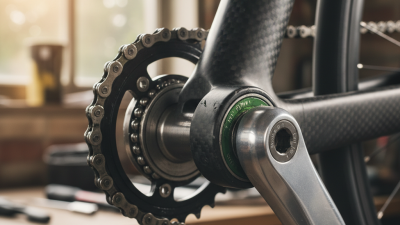
In an American bottom bracket, there are two key parts: bearings and axle. The bearings allow smooth rotation while supporting the rider's weight. It's essential that these components fit well with both frame and crank. Improper sizing may cause difficulties while pedaling. Sometimes, worn-out bearings create annoying noises. Swapping them out can be a straightforward task.
When choosing a bottom bracket, consider the material and compatibility. Steel and ceramic bearings each have their own advantages. Steel offers durability, while ceramic provides reduced friction. You might experience a learning curve with these options. Take time to test different configurations before finalizing your choice. An excellent bottom bracket enhances your riding experience. Pay attention to details, and your bicycle will perform better on the road.
What is an American Bottom Bracket and How to Choose One? - Key Components and Functionality of Bottom Brackets
| Component |
Description |
Functionality |
Material |
| Shell |
Outer casing of the bottom bracket |
Provides structure and houses internal components |
Aluminum or plastic |
| Bearings |
Moving parts that support the crankset |
Reduces friction for smooth pedaling |
Steel or ceramic |
| Spindle |
Connecting rod between the crank arms |
Transfers power from rider to drivetrain |
Steel or aluminum |
| End Caps |
Plates that close off the ends of the shell |
Keeps dust and debris out of the bearings |
Plastic or aluminum |
| Adjustment Collar |
Adjustable part for snug fit |
Ensures proper alignment and function |
Aluminum |
Factors to Consider When Choosing an American Bottom Bracket
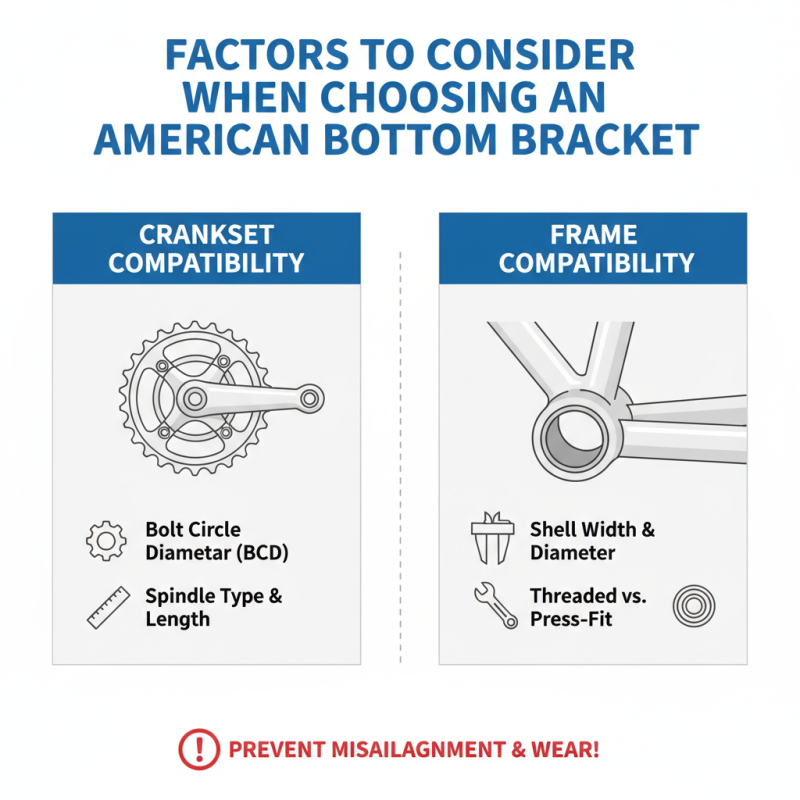
Choosing an American bottom bracket involves several essential factors. Start by considering the compatibility with your crankset and frame. Not all cranks fit every bottom bracket. Misalignment can lead to performance issues and premature wear.
Another critical factor is the material. Steel bottom brackets are durable but often heavier. Aluminum options provide weight savings. However, they might sacrifice some longevity. It's important to assess your riding style. For competitive cyclists, a lightweight form might be more beneficial.
Moreover, consider the type of bearings in the bottom bracket. Loose ball bearings offer smooth performance but require regular maintenance. Sealed cartridges, while more convenient, may not be easily serviced. Industry reports indicate that cyclists often overlook this aspect, which can lead to decreased efficiency over time. Ultimately, understanding these elements allows for a more informed choice. Aim for a balance between weight, durability, and ease of maintenance to suit your cycling needs.
Common Brands and Models of American Bottom Brackets
When looking for a bottom bracket, American options stand out for various reasons. They are recognized for being user-friendly. Many riders appreciate their wide compatibility with different crank sets. However, not all American bottom brackets are created equal. Understanding the nuances of each brand helps you make a more informed choice.
One popular category is sealed bearings. Brands that utilize sealed bearings often offer enhanced durability. Riders favor these because they handle moisture better. Yet, some models can feel stiffer than expected. It's essential to consider this factor based on your riding style. Another important aspect is thread type. Different thread pitches affect fitment and performance. It's not uncommon to encounter compatibility issues. Red flags can arise if the specifications are not clearly stated.
Consider how these details influence your riding experience. A fitting bottom bracket can significantly impact performance. However, some riders may overlook the importance of regular maintenance. This neglect can lead to premature wear. It's vital to assess your needs and how each model can cater to them. Riding preferences vary widely, leading to diverse opinions on what makes a bottom bracket "the best." Always be willing to reflect on your choices.
Comparison of American Bottom Bracket Types