China Top 10 BMX Bottom Bracket Manufacturers
China has become an important sourcing base for precision bicycle components, including the bmx bottom bracket. Its manufacturing network combines CNC machining, cold forging, bearing assembly, anodizing, and export logistics. This combination matters because BMX riding creates repeated impacts, side loads, and sudden landing forces.
Industry forecasts support this attention. Grand View Research’s Bicycle Market Size, Share and Trends Analysis Report identifies continued growth in global bicycle demand through 2030. IMARC Group also reports expanding bicycle manufacturing and component supply chains across Asia. These reports do not isolate BMX bottom brackets. However, they show why component quality, supplier capacity, and technical consistency deserve closer review.
A reliable manufacturer should provide shell-width options, spindle compatibility, bearing specifications, sealing details, and measurable quality controls. Look for clear tolerances, traceable materials, and test records rather than attractive catalog photographs. Factory experience with 68 mm and 73 mm shells can be useful for different BMX configurations. Sealed cartridge bearings, pressed races, and correctly finished interfaces may reduce noise and premature wear.
The following list examines China’s top 10 BMX bottom bracket manufacturers through practical sourcing criteria. These include production capability, customization, inspection systems, export experience, and after-sales communication. Certifications can support trust, but they cannot replace sample testing. No list is flawless. Supplier rankings change as factories expand, subcontract, or change bearing sources. Buyers should verify current specifications, inspect samples, and confirm compatibility with the crankset before placing volume orders. That small step prevents expensive mismatch problems.
BMX Bottom Brackets: Definition, Function, and Main Types
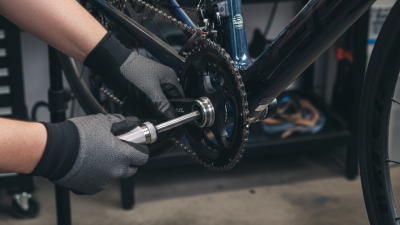
A BMX bottom bracket is the bearing assembly inside the frame’s bottom-bracket shell. It connects the crankset to the frame and allows the spindle to rotate smoothly. Each pedal stroke passes force through this small component. Its condition affects acceleration, balance, and landing control.
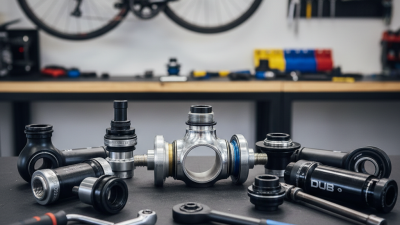
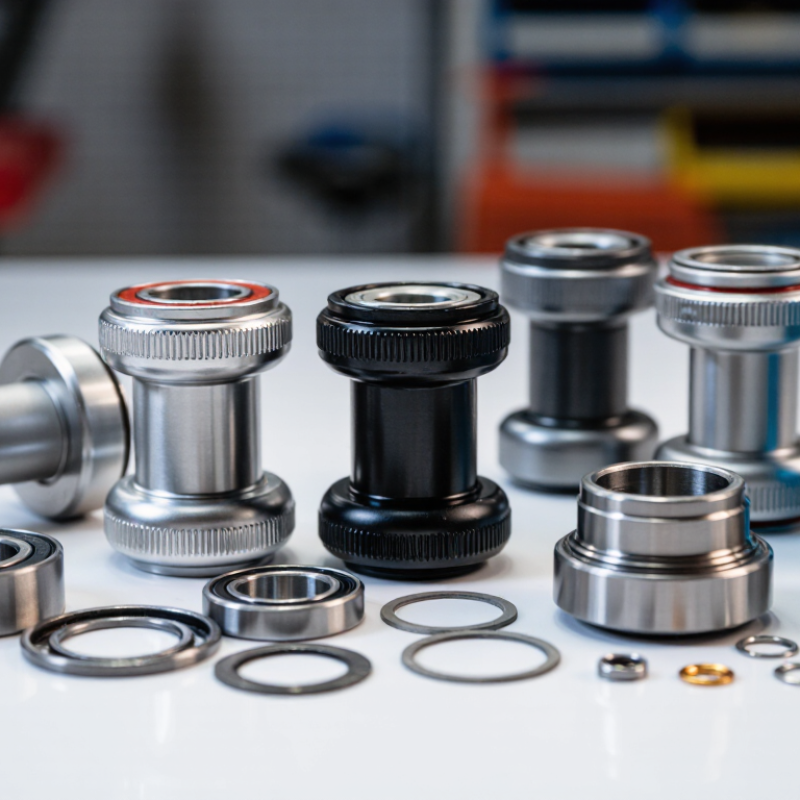
BMX bottom brackets use several main standards. Euro bottom brackets screw into a threaded shell and are common on many freestyle frames. Mid and Spanish systems press into the frame, creating a clean exterior and useful ground clearance. American bottom brackets use larger cups and bearings, often on older or heavier BMX frames. Sealed bearings usually resist dirt better than loose-ball designs. However, sealing quality and installation still matter.
PRECISION
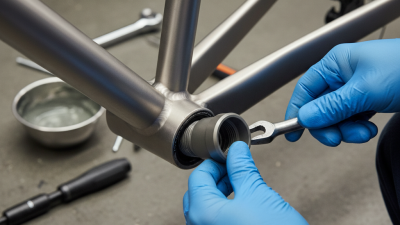
Measure the shell width, spindle diameter, and crank interface before choosing a replacement. A 19-millimeter spindle cannot fit every bearing system. Square-taper, two-piece, and splined crank designs also require matching interfaces. During installation, I check bearing pressure, spacer placement, and crank alignment. Even a small spacer error can cause side play or friction. Keep it precise.
Riders often blame worn bearings when the real issue is a damaged shell or loose crank bolt. That mistake is easy to make. Cleaning the contact surfaces helps, but excessive tightening may damage threads or bearings. Specifications from the frame and crank manufacturers remain the most reliable reference when comparing BMX bottom bracket suppliers in China.
Key Standards for Evaluating Chinese BMX Bottom Bracket Manufacturers
China’s top ten BMX bottom bracket manufacturers should be judged by measurable standards, not catalogue appearance. A reliable supplier identifies shell width, spindle interface, bearing size, and thread type clearly. Small errors can cause creaking, uneven chain lines, or premature bearing wear. Ask for dimensional drawings and inspection records before requesting samples.
Material selection deserves close review. Chromoly or precision-machined aluminum should match the intended riding load and corrosion conditions. Bearings need smooth rotation, proper seals, and consistent preload. During evaluation, inspect several samples, not just one polished unit. Check press-fit surfaces with calibrated gauges, then test rotation after contamination and impact simulations. Record every result by batch.
Manufacturing discipline reveals more than marketing language. Look for documented quality procedures, traceable raw materials, calibrated measuring tools, and workers who understand bicycle standards. An experienced factory can explain failure patterns from real production, including loose cups and noisy bearings. It should also provide tolerance data, packaging tests, and a practical replacement policy. Communication matters when specifications change. A fast reply is useful, but a precise reply is better.
No factory is flawless. Treat unexplained test results as a warning, even when samples perform well. Supplier audits, repeat orders, and independent laboratory checks make rankings more credible. Price remains relevant, but the cheapest part may cost more after assembly delays and warranty claims.
Top 10 China-Based BMX Bottom Bracket Manufacturers
China’s BMX bottom bracket market includes many capable manufacturers across Guangdong, Zhejiang, Jiangsu, and nearby industrial regions. The top 10 China-based BMX bottom bracket manufacturers usually compete through machining accuracy, bearing consistency, and flexible production volumes. Their products may support square-taper, two-piece, or press-fit systems, depending on frame design.
Fit matters most.
During workshop inspections, I check shell width, spindle length, thread quality, and bearing preload. A difference of one millimeter can create chainline problems or unwanted crank movement. Reliable factories measure these details with calibrated gauges, then record results by production batch. Sealed bearings, corrosion-resistant hardware, and even surface finishing also deserve attention. A smooth shell is useful, but it does not prove long-term durability.
Supplier evaluation needs practical evidence. Ask for material specifications, inspection records, fatigue-test details, and samples from regular production. Factory audits can reveal storage issues, inconsistent assembly, or weak packaging. A polished catalog is not proof. I once focused too heavily on bearing smoothness and overlooked spacer tolerance; the installation later felt tight. That mistake still matters. Manufacturers with transparent communication usually handle such corrections better, especially when buyers need custom spindle lengths, logo-free packaging, or small trial orders. Quotation speed helps, but replacement procedures and quality responsibility matter more.
Product Comparison: Materials, Compatibility, Quality, and Pricing
China’s top BMX bottom bracket manufacturers differ most in materials, fit, inspection standards, and pricing. Aluminum cups reduce weight and resist surface corrosion. Steel spindle systems usually tolerate repeated landings better, though they add a little mass. Sealed cartridge bearings keep dust away from the races. They also make servicing less frequent.
Fit comes first. BMX frames may use different shell widths, thread standards, and spindle interfaces. A bottom bracket can look identical but still fail during installation. Buyers should check shell width, spindle diameter, crank clearance, and thread direction before comparing quotations. In practical workshop testing, smooth rotation matters more than a glossy finish. I once rejected a lightweight sample because its bearing preload changed after several hard sessions.
Quality depends on more than raw materials. Reliable manufacturers control machining tolerances, bearing seating, axle straightness, and final assembly torque. Sample reports should include dimensional checks and load-test results. Pricing commonly rises with chromoly axles, higher-grade seals, tighter tolerances, and corrosion protection. Lower-cost units may suit casual riding, but inconsistent bearings can create noise within weeks. Mid-range products often provide a reasonable balance for street and park use. Premium models make more sense for riders who train daily or replace parts frequently. However, price alone remains a weak quality signal. Some inexpensive samples perform well, while expensive ones still need better inspection.
How to Select a Suitable Chinese BMX Bottom Bracket Manufacturer
Selecting a suitable Chinese BMX bottom bracket manufacturer requires more than comparing unit prices. Grand View Research projects the global bicycle market to grow at about 9.7% annually from 2024 to 2030. China’s scale matters, but production volume does not prove precision. The China Bicycle Association reported roughly 57.6 million bicycle exports in 2023, showing strong manufacturing capacity. Ask shortlisted suppliers for recent BMX production records, machining tolerances, and monthly inspection data.
Check compatibility before negotiation. Confirm shell width, axle diameter, bearing arrangement, crank interface, thread standard, and sealing structure. A reliable factory should provide dimensional drawings, material certificates, bearing clearance records, and torque-test results. Request samples from different production batches. One perfect sample is not enough. ISO 4210 testing principles can guide structural and fatigue evaluations, although BMX use may demand harsher impact testing. Salt-spray results also help when bikes face wet streets or coastal air.
Audit the supplier’s process, not only its catalog. Look for incoming-material inspection, calibrated gauges, traceable batch codes, and corrective-action records. Ask whether anodizing or coating changes bearing fit. It sometimes does. The 2023 ISO Survey reports widespread certification worldwide, but a certificate alone cannot verify daily process control. An on-site audit or independent inspection is safer. I would also negotiate a written tolerance agreement and a replacement procedure for noisy or loose units. Price remains important, yet an unrealistically low quotation may hide thinner seals, weaker axles, or unstable heat treatment. That risk deserves a second review.