Choosing a threadless bottom bracket in 2026 is not simply a matter of selecting the newest model. Compatibility comes first. Your frame shell, spindle length, crank interface, bearing position, and installation method must agree. One small mismatch can create play, creaking, or uneven chainline.
John Allen, a respected bicycle technical writer and mechanic, states the fitting principle clearly: “A bottom bracket must fit the frame, crankset, and riding needs—not just the catalog.” That advice remains practical today. A lightweight road crank may need different support than a wide-shell mountain bike crank. Measure carefully. Check twice.
This guide examines threadless bottom bracket standards, materials, seals, bearing sizes, and real installation concerns. It also considers press-fit tolerances, shell condition, weather exposure, and future maintenance. A ceramic bearing may sound impressive, yet it cannot correct a damaged frame interface. Marketing can distract.
Look closely.
Experienced mechanics often inspect the shell with clean calipers, check spindle engagement, and apply the manufacturer’s specified torque. They listen for rough rotation before fitting the crank. These details matter more than appearance.
Still, no selection method is perfect. Some product specifications remain incomplete, and brand terminology can be confusing. That uncertainty deserves attention, not confident guessing. The best choice balances measurable compatibility, riding conditions, service access, and proven reliability. Before ordering, compare the manufacturer’s technical drawing with your bicycle. A few minutes of careful checking can prevent an expensive, noisy mistake.
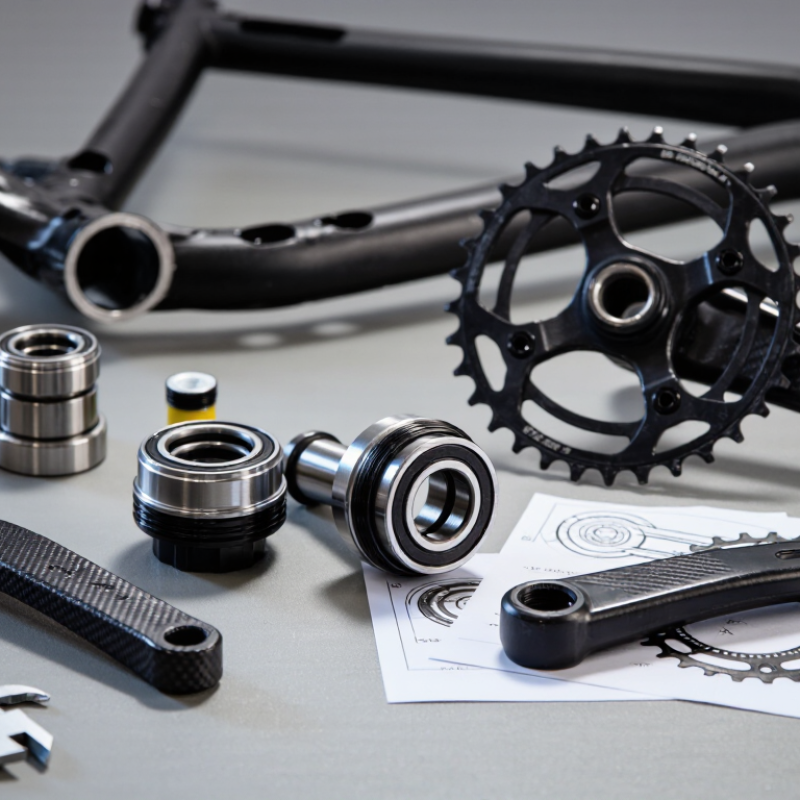
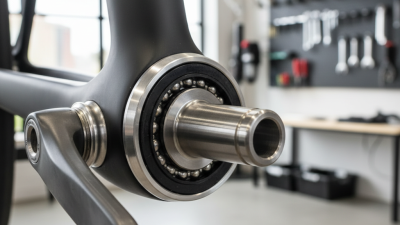
A threadless bottom bracket sits inside a smooth, unthreaded frame shell. Its cups press into the shell instead of screwing together. Sealed bearings support the crank spindle and allow smooth rotation under pedaling force. Spacers and a preload ring remove side-to-side movement. The crank then transfers your effort through the spindle, bearings, and cups. Simple, but not always forgiving.
CONEBI’s 2023 European market profile reported about 14.7 million bicycles sold in 2022, including roughly 5.5 million e-bikes. That growth matters because stronger motors and heavier bicycles increase bearing loads. When choosing a threadless bottom bracket in 2026, match the shell width, internal diameter, spindle length, and crank interface. Press-fit systems can feel quiet and efficient, but small frame-tolerance errors may create movement or creaking. I have seen clean-looking installations fail because one spacer was missing. Manufacturer fit charts and ISO 6695 guidance remain more reliable than visual guesses.
Tips: Measure before ordering. Use calipers, not a ruler. Check the frame shell for damage and paint buildup. Press the cups in squarely with a suitable tool; hammering can distort them. Apply only the lubricant recommended for the frame material. Inspect bearing play after the first few rides, especially on an e-bike. A quiet ride is useful evidence, not proof of perfect installation.
Before choosing a threadless bottom bracket, identify the frame shell and crankset axle. Do not rely on appearance. Measure the shell with calipers, then check its width and internal diameter. Common threaded shells measure 68 or 73 millimeters. Some performance frames use wider shells, including 83 millimeters. ISO 6695:2015 defines key bicycle bottom-bracket dimensions, including the 1.37 x 24 TPI English thread. Italian shells use a different 36 x 24 format. A threadless system may suit damaged or poorly threaded shells, but it still needs accurate internal sizing.
The crankset matters just as much. Identify whether the axle uses square taper, a 24-millimeter spindle, a 30-millimeter spindle, or a proprietary diameter. Measure the axle length, bearing position, and required spacers. A 2024 CONEBI market report recorded about 11.7 million bicycles sold across Europe in 2023. That large, mixed fleet means replacement standards are becoming less predictable. I have seen mechanics order the correct shell size but miss the axle diameter. The result was a tight crank, noisy bearings, or unsafe side play.
Tips: Photograph the shell before removal. Record shell width, axle diameter, spindle length, and spacer order. Check the installation instructions twice. A small mistake here can become expensive. Leave room for doubt, especially with older frames.
How to Choose a Threadless Bottom Bracket in 2026?
A threadless bottom bracket is not automatically universal. Measure your frame shell before buying. Use calipers if possible, not a flexible ruler. Record the shell width in millimeters, then check whether the frame uses a press-fit standard. A small error can create side play or excessive bearing pressure. I once measured the outer cups instead of the frame shell. The result was wrong.
Match the spindle diameter and length to your crankset. The spindle must enter the crank interface fully, without forcing the arms outward. Check the required axle length, especially when chainline matters. A spindle that is too long may shift the chainline and affect front shifting. A short spindle can leave insufficient crank engagement. Confirm the crank interface shape, because similar-looking splines are not always compatible. Do not trust appearance alone.
Tips: Choose sealed cartridge bearings for simple maintenance and wet riding conditions. Choose larger bearings when space allows, but confirm clearance inside the shell. Ask the manufacturer for exact shell and spindle measurements. Keep the installation faces clean. Tighten gradually. If the crank feels rough by hand, stop and inspect it. Bearing life depends on alignment, sealing, preload, and riding conditions. Even experienced mechanics can miss one measurement, so write every dimension down before ordering.
| Press-Fit Standard | Frame Shell Inner Diameter | Typical Shell Width | Compatible Spindle Sizes | Common Bearing Position | Suitable Bearing Type | Key Matching Requirement |
|---|---|---|---|---|---|---|
| BB30 | 42 mm | 68 mm road; 73 mm mountain | 30 mm cylindrical spindle | Bearings press directly into the frame shell | Sealed cartridge bearings; angular-contact bearings may be used when specified by the crank system | Use only with a frame designed for 42 mm press-fit bearings and a spindle long enough for the crank, spacers, and preload system. |
| PressFit 30 | 46 mm | 68 mm road; 73 mm mountain | 30 mm cylindrical spindle; some conversion systems support 24 mm stepped spindles | Bearings sit inside press-fit cups installed in the frame | Sealed cartridge bearings in nylon or alloy cups | Confirm the cup system matches the 46 mm shell diameter; do not install a BB30 bearing directly into a PF30 shell. |
| PF41 / BB86 | 41 mm | 86.5 mm road | 24 mm stepped spindle; compatible conversion cups may support other spindle diameters | Bearings are housed in press-fit cups | Sealed cartridge bearings, usually protected by external seals in the cups | Measure the shell width and select the road-specific cup depth so the crank chainline and preload can be set correctly. |
| PF41 / BB92 | 41 mm | 89.5 mm or 92 mm mountain | 24 mm stepped spindle; some compatible systems support 29 mm or 30 mm spindles | Bearings are housed in press-fit cups or an internal sleeve assembly | Sealed cartridge bearings with water-resistant seals | Use the exact mountain shell-width version; a road 86.5 mm unit will not provide the correct spacer stack for a 92 mm shell. |
| PF30A | 46 mm | 73 mm shell with an asymmetric frame layout | 30 mm cylindrical spindle | Bearings sit in press-fit cups | Sealed cartridge bearings in offset cups | Check the asymmetric shell design and required offset before purchase; standard PF30 cups may not position the crank correctly. |
| BBright Press-Fit | 46 mm | 79 mm asymmetric shell | 30 mm cylindrical spindle or compatible 24 mm conversion system | Bearings are installed in asymmetric press-fit cups | Sealed cartridge bearings | The non-drive-side bearing position and spacer arrangement are asymmetric; use a BBright-specific unit rather than a standard PF30 unit. |
| BBright Direct-Fit | 42 mm | 79 mm asymmetric shell | 30 mm cylindrical spindle | Bearings press directly into the frame | Sealed cartridge bearings | Verify both the 42 mm shell diameter and 79 mm asymmetric width; bearing placement differs from standard BB30. |
| PF30-Threaded Conversion | 46 mm frame shell with press-fit conversion cups | Usually 68 mm or 73 mm | 24 mm stepped or 30 mm cylindrical spindle, depending on the conversion cups | Bearings are retained inside removable cups | Sealed cartridge bearings | Choose the conversion according to both the frame shell and crank spindle; the threaded interface of the conversion cup does not make the frame shell threaded. |
Measurement rule: Identify the frame shell standard first, then match the spindle diameter, shell width, bearing location, spacer stack, and crank manufacturer’s chainline requirement. Shell width is measured across the frame’s bottom-bracket seats, excluding removable cups, seals, and spacers. Press-fit dimensions are nominal; inspect the frame for wear or damage before installation.
How to Choose a Threadless Bottom Bracket in 2026?
Choosing a threadless bottom bracket starts with the shell dimensions, axle standard, and crank compatibility. Measure the frame carefully; a small mismatch can create movement or creaking. Aluminum offers low weight and good stiffness, while steel usually tolerates repeated servicing better. Some reinforced polymer parts reduce noise and corrosion, but their long-term behavior depends on fit and temperature. Material alone does not guarantee durability.
Sealing deserves close attention. Look for contact seals that sit evenly against the spindle, with no visible gaps or folded edges. A narrow seal may reduce friction, yet it can admit water during wet commuting. A wider seal protects better but may drag slightly. After riding through rain, remove the crank when practical and inspect for gritty grease. That simple check has saved components in my own workshop.
Serviceability matters when the bearing eventually becomes rough. A replaceable bearing cartridge or accessible seal can lower ownership costs. Check whether ordinary tools can remove the assembly without damaging the frame. Threadless designs can loosen if preload is incorrect, so follow the specified adjustment procedure and recheck after the first few rides. I once trusted a smooth installation too quickly; the axle later developed play. My mistake was skipping the early inspection. Also, advertised life figures deserve caution. Riding conditions, washing habits, rider weight, and frame alignment often matter more than laboratory claims.
A threadless bottom bracket is usually a press-fit system, so compatibility depends on precise measurements. Start by identifying the frame shell standard, internal diameter, and shell width. Do not rely on appearance alone. Two shells can look identical but require different cups.
Measure the shell with a caliper, then check the crank spindle diameter and usable length. Confirm whether the crank needs spacers, wave washers, or specific seals. The bearing position must match the frame and spindle design. I once trusted an old parts list instead of measuring the shell. That shortcut was a mistake. Small differences can cause play, noise, or damaged bearings.
Clean the shell carefully and inspect its edges for paint, burrs, or cracks. Apply only the assembly compound recommended for the frame and bottom bracket materials. Some systems need grease; others require a specific retaining compound. Use a proper press with level adapters, and push both cups in slowly. Never force a cup with a hammer. It may enter crooked.
Check the crank manufacturer’s torque settings before installation. Fit the spacers in the correct order, tighten the preload gently, and remove side play without making the bearings tight. Spin the crank by hand. It should turn smoothly, without grinding or resistance. A short test ride can reveal creaks, but recheck the bolts afterward. I still remeasure when something feels “almost right.”
This website uses cookies to ensure you get the best experience possible. Learn more.