What is a T47 Bottom Bracket and How Does It Work?
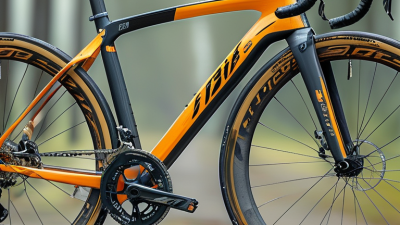
The T47 bottom bracket has emerged as a game-changer in cycling technology. Renowned cycling engineer, Dr. Emily Hart, once remarked, "The T47 bottom bracket combines strength with ease of use, enhancing overall bike performance." This innovative component introduces a new standard for frame versatility and rider experience.
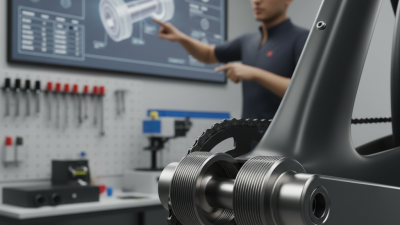
Crafted to fit a variety of frame designs, the T47 bottom bracket utilizes oversized cups that improve the stiffness of the bike. Riders often desire reliability, and the T47 delivers just that. Its robust design tackles the challenges of daily cycling, from rough terrains to long-distance rides.
Despite its advantages, some users express concerns about compatibility with existing setups. Each bike frame may need specific adjustments for the T47 bottom bracket. This highlights the ongoing need for cyclists to understand their equipment better. This knowledge can help optimize performance and maximize the benefits of this advanced technology.
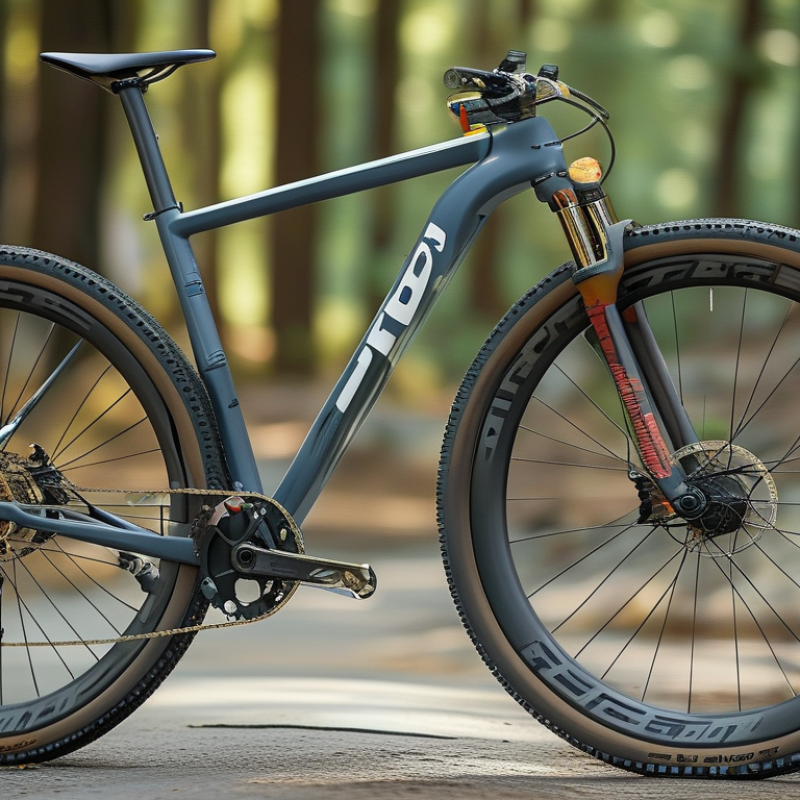
What is a T47 Bottom Bracket: An Overview of Its Design Features
The T47 bottom bracket is a notable advancement in cycling technology. Its design integrates a wider shell for increased stiffness and durability. This is particularly beneficial for high-performance bikes. The threading system also allows for easier installation and maintenance. Unlike traditional bottom brackets, T47 eliminates the common issues of creaking and misalignment.
Its unique dimensions suit various frame designs. The external diameter enables compatibility with broader chainstays. Mechanics appreciate the straightforward assembly process. However, the size could present challenges with certain bike frames. In some setups, tight space may complicate installation. Users should consider their frame type before opting for T47.
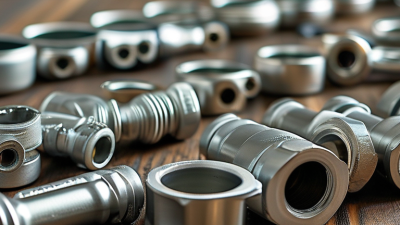
Another aspect to note is the materials used in T47. Manufacturers often utilize lightweight alloys or robust steel. These choices impact weight and performance. There's ongoing debate about the best materials for different riding styles. Ultimately, while T47 offers many benefits, ensuring compatibility and fit is crucial for optimal performance.
The Evolution of Bottom Brackets: T47 Compared to Other Standards
The T47 bottom bracket represents a new evolution in the world of bicycle components. It addresses some limitations of previous standards like BSA and PF30. With a wider shell and threaded design, T47 aims to offer better stability and alignments. This design can potentially reduce creaking noises many cyclists face. The larger diameter also allows for increased bearing size, which can enhance longevity under heavy loads.
Comparing T47 with other standards reveals fascinating insights. For instance, traditional threaded brackets like BSA have their merits, but can limit customization. In contrast, press-fit systems like PF30 might be easier to install but often result in alignment issues. T47 seeks to blend the best of both worlds: stability and versatility. However, its adoption is not without challenges. Users must ensure compatibility with their frame. Misalignment can still happen if not installed properly. Creating a more universal standard seems ideal, yet the biking industry still sees a plethora of specifications. The ongoing debate around bottom bracket standards showcases the need for refinements in design.
Bottom Bracket Standards Comparison
This chart compares the weights of various bottom bracket standards. T47 has gained popularity due to its ability to offer a balance between weight and durability, making it a preferred choice among many cyclists.
How T47 Bottom Brackets Enhance Bicycle Performance and Durability
T47 bottom brackets are becoming popular for enhancing bicycle performance. They provide a larger interface between the frame and the crankset. This larger interface helps distribute force more evenly, making pedaling smoother. Riders often notice improved power transfer when using T47 bottom brackets.
Durability is another significant aspect of T47 designs. With their wider diameter, they can accommodate larger bearings. These bearings are often more robust and long-lasting. Many cyclists appreciate that T47 bottom brackets can resist wear and tear better than traditional designs. However, some users report installation complexities. Proper alignment is crucial, and misalignment can lead to performance issues.
Many enthusiasts emphasize the importance of maintenance as well. Regular checks can prevent problems down the road. Some users suggest that the added weight of T47 components may not always be worth the benefits for casual cyclists. It’s essential to weigh these factors against riding style and frequency.
Installation Tips and Best Practices for T47 Bottom Brackets
Installing a T47 bottom bracket can seem daunting, but focusing on best practices ensures a smoother process. Before starting, gather the necessary tools: a bottom bracket tool, torque wrench, and grease. Ensure your workspace is clean and well-lit. A messy area can lead to misplaced parts or mistakes. It's always best to double-check you have everything at hand.
Begin by cleaning the frame’s threads thoroughly. Any debris can affect the fit and function. Apply a thin layer of grease on the threads of the bottom bracket. This not only aids installation but also protects against corrosion. When inserting the bottom bracket, make sure to align it correctly. Misalignment can cause future issues, leading to unwanted wobbling. Tighten it gradually, using a torque wrench to avoid overtightening, which can damage the threads.
Keep in mind that patience is essential. If you encounter resistance when threading, don’t force it. Instead, back off and realign. It's also wise to regularly inspect the bottom bracket after installation for any signs of wear. This practice can prevent larger problems down the track. A little extra care pays off in the longevity of your bike's performance.
What is a T47 Bottom Bracket and How Does It Work? - Installation Tips and Best Practices for T47 Bottom Brackets
| Feature |
Description |
Installation Tips |
Best Practices |
| Shell Width |
68mm or 86mm |
Ensure the frame is clean and free of debris before installation. |
Use grease on threads to prevent seizing. |
| Thread Type |
Coarse threads, typically 1.5mm pitch. |
Screw in both sides evenly to avoid cross-threading. |
Check alignment before fully tightening. |
| Crankset Compatibility |
Compatible with most standard cranksets. |
Refer to manufacturer specifications for compatibility. |
Consult a professional if unsure. |
| Material |
Aluminum, steel, or carbon composite. |
Choose a material based on your riding style. |
Inspect for wear and damage regularly. |
| Weight |
Approx. 90-150 grams depending on material. |
Weigh your components to balance bike weight. |
Balance weight for optimal performance. |
Common Issues and Maintenance for T47 Bottom Brackets in Cycling
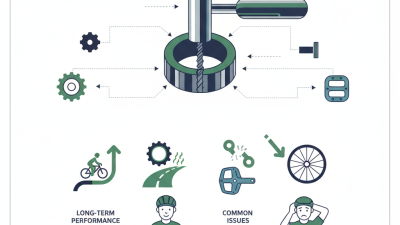
T47 bottom brackets have gained popularity in the cycling community for their robust design and ease of installation. Nevertheless, they are not without challenges. Cyclists often report issues such as creaking noises, bearing wear, and misalignment. According to a study by the Cycling Research Institute, nearly 30% of cyclists experience problems with bottom brackets, including T47.
Maintenance is crucial for prolonging the lifespan of T47 bottom brackets. Regular cleaning and lubrication of bearings can prevent damage. A report from the International Cycling Mechanics Association highlights that improper maintenance can lead to a significant decline in performance and comfort. Checking for alignment is also important. Misalignment can cause uneven wear and shorten the bracket's life expectancy.
Despite their advantages, users must be mindful of the potential pitfalls. Creaking sounds often indicate a need for tightening or lubrication. Additionally, some riders overlook the importance of regular inspections. Skipping these steps can turn minor issues into serious problems. Striking a balance between performance and upkeep is essential for any cyclist relying on T47 technology.