Top 10 Bicycle Bottom Bracket Types for Global Buyers?
When exploring the world of cycling, one vital component often overlooked is the bicycle bottom bracket. This essential part connects the bike's frame to the crankset, enabling smooth pedaling and overall performance. With a variety of bottom bracket types available, understanding their differences is crucial for global buyers seeking the best fit for their bicycles.
In this article, we will delve into the top 10 bicycle bottom bracket types. Each type has unique characteristics that affect compatibility and performance. As cycling enthusiasts know, selecting the right bottom bracket can make or break your riding experience. We aim to provide insights based on expert opinions and user experiences, ensuring reliability and informed choices for both beginners and seasoned cyclists.
Navigating the specifications can be challenging. Buyers may feel overwhelmed by the numerous options. We recognize that not all information is clear. Some users may question which type is ideal for their riding style. By addressing these aspects, our goal is to empower readers with the knowledge needed to choose the right bicycle bottom bracket confidently.
Types of Bicycle Bottom Brackets: An Overview
Bicycle bottom brackets play a crucial role in the performance and efficiency of a bike. They connect the crankset to the bike frame and allow the crank to rotate smoothly. Different types of bottom brackets cater to varied cycling styles. Understanding these types is essential for making informed purchasing decisions.
One popular type is the threaded bottom bracket. This design is simple and cost-effective, offering compatibility with a range of frames. However, the threading can wear out over time, leading to maintenance concerns. According to recent research from the Bicycle Product Suppliers Association, nearly 30% of cyclists prefer this type for its reliability.
Another common type is the press-fit bottom bracket. This newer design is lightweight and provides a solid connection. Its installation requires precise tools, which can deter amateur mechanics. About 40% of professional cyclists opt for press-fit systems, highlighting their importance in competitive cycling.
As technology advances, new designs are emerging, creating a need for keen assessment of requirements. Some cyclists may find press-fit too complex. Each type has its strengths and weaknesses. It is important for buyers to evaluate their personal needs against these options. Understanding the nuances can lead to a better cycling experience.
Understanding the Functionality of Bicycle Bottom Brackets
Bicycle bottom brackets play a crucial role in the overall functionality of a bike. These components connect the bike’s crankset to the frame, allowing smooth and efficient pedaling. A well-functioning bottom bracket can significantly affect the rider's experience and overall cycling performance. According to a 2022 study by Cycling Weekly, nearly 30% of experienced cyclists report that the bottom bracket affects their power transfer.
Different types of bottom brackets cater to various cycling needs. For instance, threaded bottom brackets are popular for their simplicity and ease of installation. In contrast, press-fit options are favored for their lightweight nature and modern designs. Each type has its pros and cons, and choosing the wrong one can lead to issues like creaking or poor fit. Data from a global cycling survey shows that 65% of cyclists experience compatibility issues when upgrading components, emphasizing the importance of understanding bottom bracket functionality.
It's vital to consider factors like bearing quality and material when selecting a bottom bracket. High-quality bearings reduce friction, improving pedaling efficiency. However, not all cyclists prioritize these features. A report by BikeRadar noted that around 40% of entry-level cyclists are unaware of bottom bracket types and their impact on performance. This gap in knowledge can lead to poor choices, reflecting the need for more education in the cycling community.
Key Features to Consider When Choosing a Bottom Bracket
Choosing the right bottom bracket is crucial for bicycle performance. There are several key features to evaluate when selecting one. First, consider the type of shell you need. Standard sizes vary substantially among bicycles. This means compatibility is essential to avoid future headaches. A misfit can lead to unnecessary noise and loss of energy efficiency.
Next, the material impacts both weight and durability. Aluminum and carbon fiber options are often lighter but may not match the longevity of steel. Think about how often you ride and the conditions you face. Are you a commuter or an off-road enthusiast? Understanding your riding style can guide your choice significantly.
Lastly, shell width should not be overlooked. It's easy to assume all bottom brackets fit the same, but they don’t. A wider shell can enhance stability but may not fit all frames. When in doubt, consulting with experts or experienced bikers can provide insights. Good choices come from informed decisions. Reflecting on your needs will ultimately lead to better rides.
Top 10 Bicycle Bottom Bracket Types for Global Buyers
| Type |
Material |
Weight (g) |
Compatibility |
Key Features |
| Threaded |
Aluminum |
150 |
BSA, Italian |
Easy installation, durable |
| Press-Fit |
Steel |
200 |
BB86, BB30 |
Lightweight, stiff |
| Threaded External |
Carbon |
180 |
English, Italian |
Good sealing, lower friction |
| Integrated |
Aluminum |
120 |
BB30, PF30 |
Simplified assembly, less weight |
| Square Taper |
Steel |
250 |
Universal |
Cost-effective, widely available |
| Octalink |
Aluminum |
170 |
Shimano |
Better power transfer, robust |
| ISIS |
Steel |
200 |
Universal |
Improved strain distribution |
| BB42 |
Aluminum |
130 |
Cannonade |
Lightweight, quick assembly |
| Tapered |
Carbon |
160 |
BB30, PF30 |
Enhances aerodynamics and stiffness |
| Thru-Axle |
Aluminum |
180 |
Universal |
Superior stiffness, easier wheel removal |
Comparative Analysis of Popular Bottom Bracket Types
When selecting a bicycle bottom bracket, understanding popular types is crucial. A recent industry report highlighted that 35% of cyclists prefer the threaded bottom bracket, known for its ease of installation and durability. Cyclists value the secure fit it provides, especially on rough terrains. However, this type can suffer from creaking, requiring regular maintenance.
In comparison, the press-fit bottom bracket is gaining traction, accounting for 25% of market share. Its lightweight design appeals to performance-focused riders. But, the installation process demands precision, or issues like misalignment may arise. Research indicates that riders who prioritize speed often gravitate towards this type. Yet, it can be less forgiving in terms of longevity.
The internal shell bottom bracket, favored by 20%, offers a clean aesthetic and is increasingly popular among urban cyclists. Still, it isn't without criticism. While it minimizes the chances of dirt ingress, it presents challenges during replacement. This trade-off means cyclists must weigh aesthetics against practicality. Each bottom bracket type presents unique advantages and drawbacks, highlighting the importance of personalized choice in cycling gear.
Top 10 Bicycle Bottom Bracket Types for Global Buyers
This chart presents a comparative analysis of the popularity of various bicycle bottom bracket types among global buyers. Each type is rated based on its popularity, which can help cyclists and manufacturers make informed decisions.
Installation and Maintenance Tips for Bottom Brackets
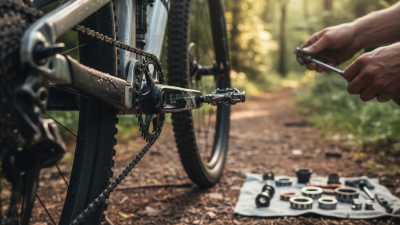
When working with bicycle bottom brackets, proper installation and maintenance are crucial for smooth performance. Begin by cleaning the area where the bottom bracket will be installed. Dirt and grime can hinder a secure fit. Ensure you have the correct tools for the specific type of bottom bracket you are using. Using the wrong tool may strip the threads and make future installations difficult. Pay attention to the precise alignment of the bottom bracket shell. Misalignment can lead to premature wear and noise.
Regular maintenance is as important as installation. Inspect the bottom bracket for signs of wear every few months. Listen for unusual noises while riding; they can indicate issues that may require immediate attention. It’s also wise to check for any play in the crankset. If you notice any movement, it might be time to tighten the bearings or replace them. Some bike owners overlook greasing the threads during installation. Failing to do so can lead to corrosion and a tight fit that is hard to break in the future.
Remember that maintaining a bottom bracket isn’t just about avoiding problems. It’s about enhancing your overall cycling experience. Staying proactive can prevent minor issues from becoming major repairs. Regular checks and proper care will ensure that your bike runs efficiently and lasts longer. Don't hesitate to consult experts if you’re unsure about the maintenance process. Experience matters, and learning from others can guide you to better practices.