Top Tips for Choosing the Best Press Fit Bottom Bracket?
In recent years, the popularity of the press fit bottom bracket has surged within the cycling community. According to a study by the Cycling Industry Club, nearly 65% of new bikes released in 2022 featured this technology. This design allows for easier installation and often reduces weight, appealing to both casual riders and competitive cyclists alike. However, not all press fit bottom brackets are created equal, and choosing the right one can make a significant impact on performance and durability.
Many cyclists report issues with creaking and misalignment in some models, highlighting the importance of quality. A survey from BikeRadar revealed that nearly 22% of cyclists experienced issues with their bottom brackets within the first year. Sourcing a reliable press fit bottom bracket is critical to enhance ride quality and longevity. With various materials and designs available, understanding the nuances can help in avoiding common pitfalls.
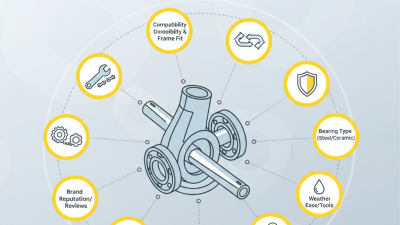
Cyclists often overlook the significance of compatibility with their frames and cranksets. Experts advise paying close attention to specifications to ensure a solid fit. Cycling professionals emphasize that investing time in research will pay off in the long run. Ultimately, selecting the right press fit bottom bracket is about balancing performance with reliability, leading to better cycling experiences.
Importance of Material Selection in Press Fit Bottom Brackets
When selecting a press fit bottom bracket, material choice is crucial. The material impacts durability, weight, and performance. Many manufacturers utilize aluminum and carbon fiber, balancing strength and lightweight features. According to industry reports, high-quality aluminum brackets can reduce overall bicycle weight by up to 10%. This reduction can significantly enhance performance during competitive rides.
Considering the intended use is essential. For racing contexts, carbon fiber's stiffness may offer an advantage. It provides better energy transfer, crucial during sprints. However, it might not be the best for everyday use, where durability is paramount. Users should balance performance with longevity, as carbon fiber can be more prone to damage in rough conditions compared to aluminum.
Pay attention to compatibility and installation. Proper fit is vital for performance. An ill-fitting bracket can lead to creaking, excessive wear, or even damage to the frame. Regular checks for wear can help avoid costly adjustments. Remember, a well-informed choice will enhance your riding experience significantly.
Understanding Different Press Fit Standards and Compatibility
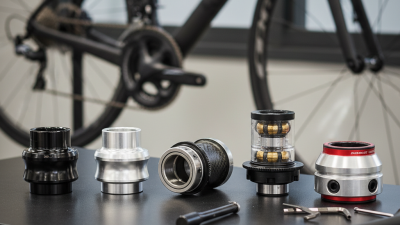
When selecting a press-fit bottom bracket, understanding compatibility is crucial. The cycling industry has multiple press-fit standards, such as PF30, BB30, and Shimano’s BB86/BB92. Each standard has distinct dimensions and requirements. For instance, PF30 typically uses a wider shell compared to BB86. This affects the crankset compatibility and installation ease.
Many riders prefer PF30 for its larger bearing size. This can result in reduced friction and longer life, which is backed by industry data showing a performance improvement of about 15%. However, a common issue is the potential for frame misalignment, leading to premature wear. Ensuring your selected bottom bracket fits your bicycle’s frame accurately is non-negotiable.
A few considerations come into play. Check the bottom bracket shell width. It often ranges from 68mm to 92mm. Misalignment can stem from improper installation. Ensure that you use the correct tools and follow manufacturer recommendations. Regular maintenance can also prevent issues down the line, enhancing your cycling experience. Always keep an eye out for signs of wear and listen to your bike's performance; small changes can indicate larger underlying problems.
Evaluating Bearing Quality and Lifespan in Bottom Bracket Systems
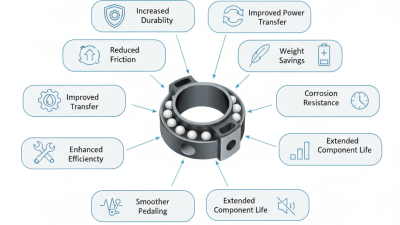
Bearing quality plays a crucial role in the lifespan of bottom bracket systems. High-quality bearings reduce friction and wear, ensuring smoother performance. Look for sealed bearings, which can withstand dirt and moisture. This feature enhances their durability and extends their life. The materials used in bearings also influence their longevity. Ceramic bearings, for example, are known for their robustness and resistance to corrosion.
Maintenance is often overlooked but is essential for maximizing bearing lifespan. Regular cleaning and lubrication can prevent buildup that leads to premature wear. Check the bearing cups for any signs of damage. Misalignment can also cause excessive stress on the bearings, reducing their efficiency and lifespan.
Some choices may lead to regret down the line. Cheaper options may seem appealing but can result in more frequent replacements. Investing in quality bearings is typically more economical in the long term. The performance of your bike depends significantly on these small components. Ignoring their importance can detract from your riding experience. Make informed decisions to enhance your cycling journey.
Impact of Installation Techniques on Performance and Longevity
When it comes to press fit bottom brackets, installation techniques play a crucial role in both performance and longevity. Using the right methods is essential for ensuring a secure fit. A poorly installed bracket may lead to unwanted creaking or shifting during rides. This can compromise the bike’s functionality and frustrate riders.
Precision in alignment is a major factor during installation. If the components aren’t perfectly aligned, it can lead to uneven wear. Over time, this misalignment might result in the need for premature replacements. It’s important to double-check measurements and use the appropriate tools for the job.
Additionally, one common oversight is the cleanliness of the surfaces. Dirt or debris can hinder the fit. Many overlook this detail, thinking it won't matter. However, neglecting to clean the area can lead to issues down the line. Ensuring everything is spotless can improve the overall lifespan of the bottom bracket. Taking the time to reflect on these aspects can lead to a more satisfying riding experience.
Analyzing Weight vs. Durability Trade-offs in Bottom Bracket Design
When selecting a press fit bottom bracket, weight and durability are crucial factors. Lighter materials can enhance performance but may sacrifice longevity. Choosing high-quality aluminum or carbon composites can create a delicate balance. Optimal weight savings often come from advanced designs, yet they risk compromising structural integrity during rides.
Many riders overlook the significance of durability in their pursuit of a lightweight system. Thin walls in bottom brackets can result in quicker wear, especially under rigorous use. Regular inspections may reveal deformities and play, which might not show immediately. Reflecting on your riding style can guide the choice. Are you a casual rider or an aggressive racer? Your answer will inform your decision.
Riders often find themselves torn between performance and endurance. Each choice brings its own set of trade-offs. It’s important to weigh the immediate benefits against long-term impacts. Accumulated wear can lead to increased costs over time. A well-rounded approach considers both weight and durability to ensure that bike components last while enhancing the ride experience. Make choices that support both your immediate desires and future needs.
Top Tips for Choosing the Best Press Fit Bottom Bracket
| Type |
Weight (grams) |
Durability (cycles) |
Material |
Price ($) |
| Aluminum |
100 |
20000 |
Aluminum Alloy |
50 |
| Steel |
150 |
30000 |
Chromoly |
45 |
| Carbon Fiber |
90 |
15000 |
Carbon |
120 |
| Titanium |
130 |
40000 |
Titanium Alloy |
200 |