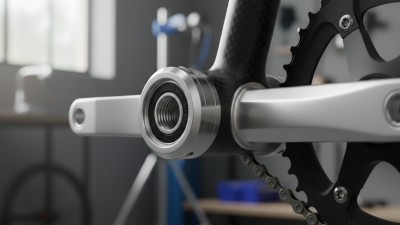
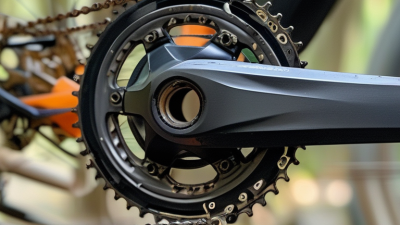
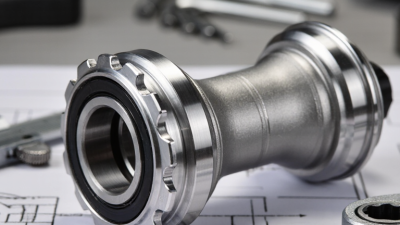
A 68mm bottom bracket is defined by the width of the frame’s bottom-bracket shell, not by one universal bearing design. That distinction matters. Two cranksets may look nearly identical yet require different spindle diameters, bearing positions, or adapters. Shimano’s dealer technical documentation and SRAM’s crankset compatibility guidance both show why checking shell width, threading, and crank specifications is essential before buying. A measurement taken across the bare frame shell can prevent a costly mismatch.
Interest in bicycle setup is broad: PeopleForBikes’ 2024 U.S. Bicycling Participation Report states that 112 million Americans rode a bicycle in 2023. But choosing a bottom bracket is less about popularity than precise fit. This guide compares common 68mm options, including threaded cartridge units and external-bearing systems, while explaining where crank compatibility changes the answer. It also covers practical details riders can inspect: thread type, spindle interface, bearing placement, and available frame clearance. Not every system suits every bike. Some differences are easy to miss, and compatibility charts can still feel confusing. The goal is a clearer, evidence-led way to identify the right type, understand its trade-offs, and avoid treating “68mm” as a complete specification.
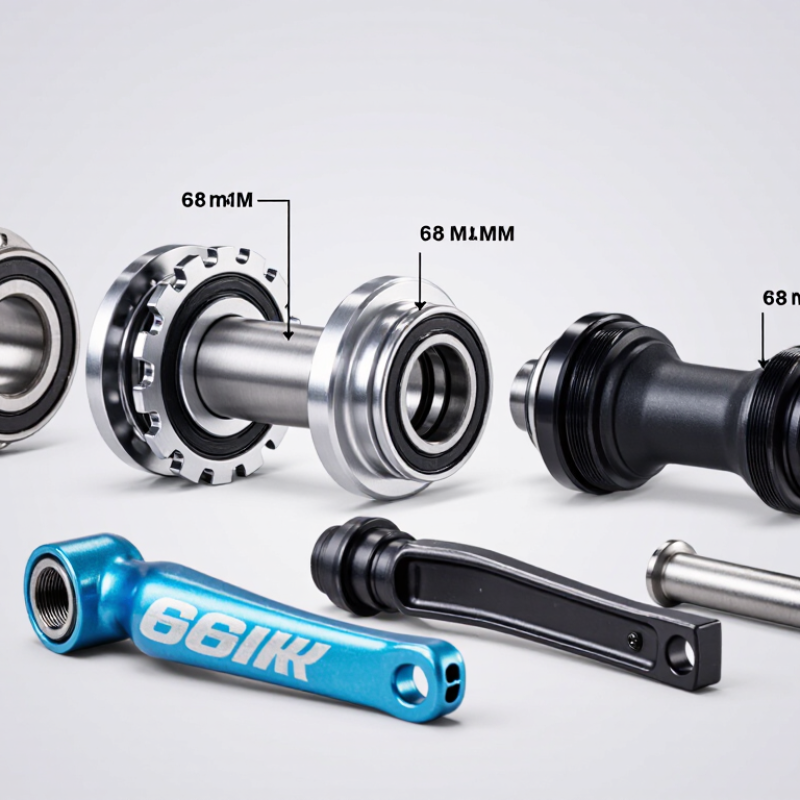
A 68mm bottom bracket shell describes the width of the frame where the bottom bracket sits. It does not identify the bearing system by itself. A common 68mm setup uses threaded cups, while some press-fit systems also fit frames with a 68mm shell width. Their inner diameters differ, so width alone is not enough to choose a replacement. Measure carefully.
The shell connects the frame to the crankset through the bottom bracket. Check the frame’s shell width, internal diameter or thread standard, and the crank spindle before buying parts. A mismatch can cause poor fit, unwanted movement, or creaking under pressure. On a threaded shell, inspect the threads for dirt or damage before installation. I’ve seen a clean-looking frame cause confusion because old grease hid grit in the threads. It is easy to miss.
Tips: Use calipers to check shell width, and consult the frame specifications for its exact standard. Confirm crank compatibility, too. Don’t force a cup that resists turning; stop and check the fit. A small mistake here can become an annoying ride-long noise.
What Are the Top Types of 68mm Bottom Brackets?
BSA Threaded Bottom Brackets for 68mm Frames
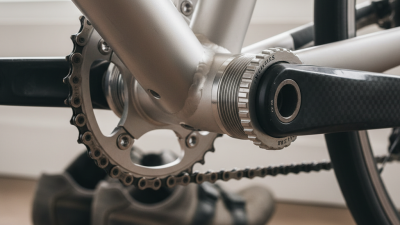
For a 68mm frame, BSA threaded bottom brackets are a practical, serviceable choice. Common types include sealed cartridge units and external-cup systems. Cartridge units enclose the bearings in one replaceable assembly. External-cup designs place the bearings outside the shell and suit compatible crank spindles. Fit depends on the crank, not appearance alone.
The key measurements matter. A standard BSA shell is 68mm wide and uses 1.37-inch by 24-TPI threads, as specified by ISO 6696:1989. The drive-side cup tightens counterclockwise; the non-drive-side cup tightens clockwise. This reversed drive-side thread helps resist loosening during pedaling. Check the frame’s threading and shell width before ordering. Fitment charts are useful, but older frames can have damaged threads or unusual tolerances. A measurement can be slightly imperfect, so verify it.
Tips: Clean the threads, use suitable grease, and start each cup by hand. If it binds, stop. Cross-threading can damage the frame. Follow the manufacturer’s torque guidance, and ask a qualified mechanic when the fit feels uncertain.
Nominal spindle diameter of common threaded bottom bracket systems
A 68 mm BSA frame has a threaded shell measuring 68 mm wide, typically with 1.37 in × 24 TPI threads. The chart compares nominal spindle diameters for common 24 mm, 28.99 mm, and 30 mm systems. Choose a bottom bracket that matches both the frame’s BSA threads and the crank spindle; diameter alone does not guarantee compatibility.
T47 threaded bottom brackets pair a large threaded shell with a familiar 68 mm road-frame width. The T47 interface specification lists a nominal 47 mm thread diameter and 1 mm thread pitch. Those dimensions create a wide opening for larger crank spindles while retaining a threaded installation. The 68 mm figure describes the shell’s width, not the crank axle’s diameter. That distinction matters.
On a 68 mm frame, T47 cups generally sit outside the shell, so their external profile can be visible beside the frame. Published T47 dimensional data should be checked against the frame maker’s shell measurements before buying parts. The crank spindle must also match the bottom bracket’s bearing and spacer arrangement. A 30 mm spindle, for example, needs compatible bearings and cups; shell width alone does not confirm fit. Small details count. In workshop practice, measuring the shell face to face and checking the cup instructions can prevent rough bearing alignment or unnecessary spacers. Installation torque varies by component, so follow the specified value rather than guessing. T47 offers a serviceable threaded interface, but the 68 mm configuration is not universal across crank systems. That point is easy to miss.
| Bottom Bracket Type | Frame Shell | How It Fits | Typical Crank Spindle Compatibility | Key Considerations |
|---|---|---|---|---|
| T47 threaded, 68mm shell | 68mm-wide shell with T47 threads; T47 uses a nominal 47mm thread diameter and 1mm pitch. | Threaded cups screw into the frame. Cup design and bearing position vary by bottom-bracket configuration. | Available for several spindle formats, including 24mm and 30mm; compatibility depends on the specific unit. | Check the frame’s exact T47 specification and the crank spindle. Do not assume every T47 bottom bracket fits every T47 shell or crank. |
| BSA / English threaded | Common road shell width: 68mm. Standard threading is 1.37in × 24 TPI, with a left-hand drive-side thread. | Threaded cups screw directly into the frame. | Commonly available for 24mm, 30mm, and compatible square-taper spindle systems. | Often selected for serviceability and broad availability. Confirm the crank spindle standard and the bottom bracket’s intended shell width. |
| BB30 press-fit | Typically a 68mm-wide road shell with an approximately 42mm internal bore. | Bearings press directly into the frame’s bearing seats; this is not a threaded system. | Originally designed around a 30mm spindle; adapters or different bearing arrangements may support other crank formats. | Requires the correct frame bore and bearing fit. A press-fit shell is not interchangeable with a threaded 68mm shell. |
| PF30 press-fit | Typically a 68mm-wide road shell with an approximately 46mm internal bore. | Bearings sit in cups that press into the frame. | Commonly used with 30mm spindles; compatible bottom brackets or adapters are available for some other spindle sizes. | Check the frame’s bore and width specifications. The larger shell bore distinguishes PF30 from BB30. |
| Threaded 68mm shell with a 24mm spindle bottom bracket | Usually a BSA / English 68mm shell; some T47 68mm systems also have versions for 24mm spindles. | Threaded cups hold the bearings, with the bearing arrangement determined by the shell and cup design. | 24mm spindle cranks, when the bottom bracket is specifically made for that crank standard. | “24mm” describes the spindle size, not the frame standard. Verify the thread type, shell width, and crank interface before purchase. |
| Threaded 68mm shell with a 30mm spindle bottom bracket | Available for compatible BSA or T47 threaded shells measuring 68mm wide. | Threaded cups support bearings sized for the selected spindle and frame standard. | 30mm spindle cranks, if the bottom bracket is designed for that crank and shell combination. | Not all 30mm spindle systems use the same bearing dimensions or fit the same frame. Check the manufacturer’s compatibility specifications. |
Fitment tip: A 68mm measurement refers to the frame shell width, not the crank spindle diameter. Identify whether the frame is threaded or press-fit, confirm its exact shell standard, and match the bottom bracket to both the frame and crank.
For a 68mm road shell, BB30 is suitable only when the frame bore matches the interface. BB30 technical specifications define a 42mm bore and a 30mm crank spindle. The commonly used bearings measure 42mm outside diameter, 30mm inside diameter, and 7mm wide. These numbers matter. A ruler can check shell width, but calipers give a more reliable bore measurement.
BB30 bearings sit directly in the frame instead of inside threaded cups. This compact arrangement can leave room for a wider spindle. It also makes accurate frame tolerances and careful bearing seating important. A worn or slightly oval bore may lead to movement, noise, or uneven wear. Not every 68mm shell is BB30; width alone cannot confirm compatibility. Check the frame’s technical drawing or ask a qualified mechanic to measure it.
For installation, clean the bearing seats and press each bearing in squarely with a suitable tool. Don’t hammer them in. Check crank compatibility, including spindle length and bearing spacing. I would not assume spacers fix every fit issue. They may not. A correctly fitted BB30 can feel crisp, but the system is less forgiving of poor tolerances than a threaded setup. That trade-off deserves a careful look.
PF30 compatibility begins with the frame shell, not the crank. Industry PF30 interface specifications list a 46 mm shell bore and a 68 mm width for the road configuration. The “68 mm” describes shell width; it does not identify the bearing or spindle size. PF30 cups press into the frame, so a threaded shell is not compatible without a suitable conversion system.
Check three measurements before buying: shell width, shell bore, and crank spindle diameter. A 30 mm spindle is the direct PF30 fit. Some conversion units support 24 mm spindles, but their stated shell dimensions and crank compatibility must match your setup. Small errors matter. A few millimetres can affect bearing position, crank clearance, or chainline. The fit can feel confusing.
A practical check is to measure the bare shell across its width and inspect its internal diameter, rather than relying on a frame’s model name. Compare those measurements with the component maker’s published fit chart and installation instructions. PF30 technical specification tables provide the baseline dimensions, but frame tolerances and crank axle lengths can still vary. When measurements are uncertain, pause before pressing in the cups; removal can damage the frame’s seating surface.
This website uses cookies to ensure you get the best experience possible. Learn more.