How to Choose a BMX Bottom Bracket in 2026?

Choosing a BMX bottom bracket in 2026 is not simply a matter of buying the cheapest sealed cartridge. The correct choice depends on shell width, spindle diameter, crank compatibility, bearing protection, and riding conditions. A street rider landing repeatedly on concrete needs a different balance than a race rider seeking low friction and minimal weight. Small measurements matter. A two-millimetre mismatch can create play, noise, or premature bearing wear.

Industry data supports a more careful approach. The PeopleForBikes Bicycle Industry Overview and Circana’s cycling market tracking show a market shaped by replacement demand, changing rider preferences, and stronger attention to product value. These reports do not isolate BMX bottom brackets, but they reveal an important lesson: buyers are comparing durability and performance more closely. The latest product is not always the best product. That assumption deserves questioning.

Technical reference material remains valuable here. Bicycle engineer and author Sheldon Brown described the bottom bracket as “the bearing assembly that allows the crankset to turn.” That simple explanation still guides practical inspection. Before choosing, measure the frame shell, identify the crank spindle standard, and check whether the bearings are sealed. Look for smooth rotation, not marketing language. Mud around the seals. A loose crank. A faint clicking sound. These details often tell more than a dramatic specification sheet.

This guide explains how to choose a BMX bottom bracket for 2026, using compatibility checks, riding experience, manufacturer specifications, and established bicycle-service knowledge. Mistakes can happen, especially when similar standards appear interchangeable. They are not.
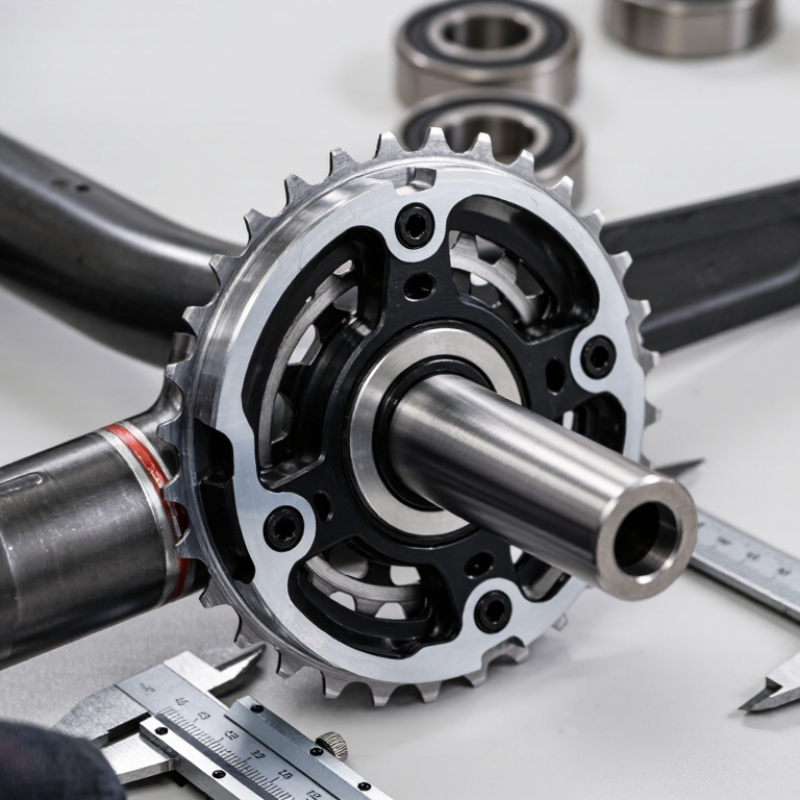
How to Choose a BMX Bottom Bracket in 2026?

Identify Your BMX Frame, Crank, and Bottom Bracket Standards

Before buying a BMX bottom bracket in 2026, check the frame shell and crank spindle. They must fit together. Measure the shell width, then inspect its inside diameter and threading. A ruler helps with width, but thread details may need careful checking. Small differences matter.

Common BMX setups include threaded shells and press-fit shells, with sizes that vary by frame. Cranks may use different spindle diameters, such as 19, 22, or 24 millimeters. Don’t assume a familiar size. Look for markings on the crank, or measure the spindle with calipers. A close fit is not enough.

Match all three standards: frame shell, crank spindle, and bottom bracket bearings or adapters. If the frame has threads, confirm their type and direction before installation. For a press-fit shell, verify the exact shell diameter. I once treated two similar measurements as interchangeable; they weren’t. Check the frame or component maker’s specifications when markings are unclear, and avoid forcing parts into place. That can damage threads or the shell.

Match the Bottom Bracket Shell Width and Bearing Configuration

How to Choose a BMX Bottom Bracket in 2026?

Match the Bottom Bracket Shell Width and Bearing Configuration

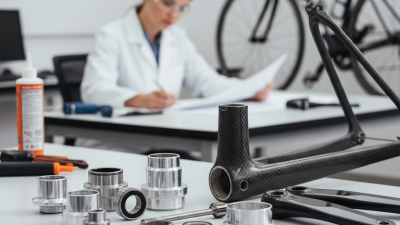
Start with the frame, not the crank. Measure the shell’s inside width with calipers, then identify its type: threaded, press-fit, or an unthreaded BMX shell. Common BMX setups include 68 mm threaded shells and larger-diameter mid or American shells. Similar widths do not guarantee compatible cups. Check the frame maker’s specification when available; paint and grime can also distort a quick measurement.

Next, match the bearing system to the shell and crank spindle. A 19 mm spindle needs bearings with a matching inner diameter; 22 mm and 24 mm spindles require different fits. The ISO 6695 technical standard covers bicycle crank assemblies, but it does not replace frame-specific fitment data. Read the dimensions, not just the product label. A loose cup can creak. A forced one can damage the shell.

Fitment

For press-fit systems, confirm both shell width and bearing-seat diameter before ordering. For threaded systems, verify the thread standard and cup direction; BMX frames do not all share one interface. Keep the old parts nearby and compare their widths and seals. Small detail. I have seen a “nearly right” bearing create days of noise. That diagnosis is not always certain, though: worn cranks or poor installation can mimic a fit problem. Check alignment and spindle play before blaming the bracket.

Choose Between Sealed, Loose-Ball, and Press-Fit Designs

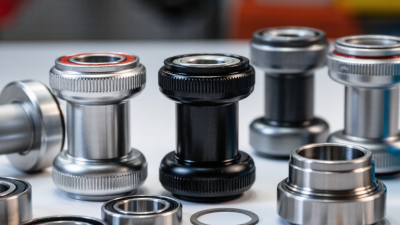
Choosing a BMX bottom bracket starts with compatibility, not the bearing label. Check the frame’s shell width and inner diameter, then match them to the crank spindle. A sealed cartridge may suit a rider who wants simple upkeep: its bearings sit inside protected units, and replacement is usually straightforward. Sealed does not mean waterproof, though. Mud and repeated washing can still shorten bearing life.

Loose-ball designs use separate bearings, cups, and usually adjustable cones. They can be serviced and adjusted with basic shop knowledge, but dirt or incorrect preload may cause rough rotation or play. Feel for movement at the crank arms, and listen for grinding. Small details matter. A slightly loose setup can become annoying fast.

Press-fit describes how the bracket fits into the frame; it is not a bearing type. Some press-fit systems use sealed units, while others allow different bearing arrangements. Measure carefully before buying, since a poor fit can creak or damage the shell during installation. Use the correct press tool rather than forcing parts in with a hammer. That said, even careful installation does not guarantee silence on every frame. If the dimensions are unclear, ask a qualified mechanic to verify them before you order. I would not choose by riding style alone; frame standard and crank compatibility come first.

Compare Materials, Durability, Weight, and Riding Conditions

Choosing a BMX bottom bracket starts with fit, not weight. Check the frame’s shell width and diameter, crank spindle size, and required bearing style before comparing materials. A mismatch can cause creaking or poor crank alignment. Measure carefully.

Steel cups are tough and often suit riders who ride street spots, where hard landings and grit are common. Aluminum parts can reduce weight, but lighter does not always mean longer-lasting.

Sealed cartridge bearings help keep dust and moisture away from the races. Their seals still need inspection, especially after wet rides or muddy sessions. Small details matter.

Riding conditions shape the best choice. A park rider on smooth concrete may prioritize low friction and easy servicing. Street riders may value a sturdy shell and bearings that tolerate repeated impacts. For trails, mud and water make effective sealing especially useful.

Keep the crank arms steady and listen for new clicking; those signs can point to looseness or wear.

I have learned that chasing the lightest setup can be a poor trade when maintenance becomes frequent. Still, “durable” depends on installation, care, and riding style, not just material. Check bearing play regularly, and replace worn parts before roughness spreads to the spindle.

Verify Compatibility, Installation Requirements, and Maintenance Needs

How to Choose a BMX Bottom Bracket in 2026?

A bottom bracket must match your frame’s shell and your crank spindle. Check the shell width and inside diameter, then compare them with the crank’s specifications. BMX frames may use different shell standards, so appearance alone is not enough. Measure carefully; paint or dirt can obscure the edges. Also confirm whether the crank requires a particular bearing arrangement or spacer setup. A mismatch can cause play, rough rotation, or a frustrating installation.

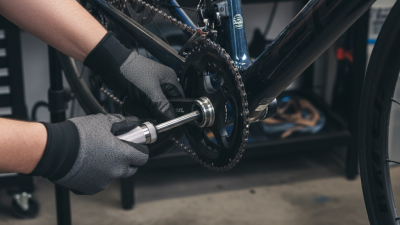
Tips: Before buying, note the frame’s shell measurements and spindle diameter. Check whether the kit includes the correct spacers and installation hardware. During fitting, use the specified tools and avoid forcing cups into the frame. They should seat evenly. If the crank feels tight or the bearings bind, stop and recheck alignment. I once assumed a spacer was optional; it wasn’t. Small details matter.

Maintenance

Maintenance needs depend on riding conditions. Dust, rain, and frequent washing can shorten bearing life, while clean, dry riding is gentler. Periodically check for side-to-side crank movement, grinding sounds, or water around the seals. Clean exposed areas with a cloth, and follow the bearing maker’s service guidance. Don’t overtighten the crank to hide looseness. That may mask the real issue, and I admit it is easy to miss early wear.

This website uses cookies to ensure you get the best experience possible. Learn more.