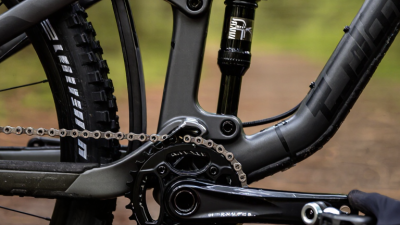
China Top 10 Threadless Bottom Bracket Manufacturers?
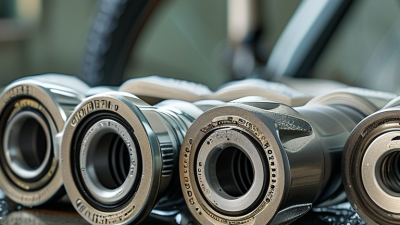
China’s bicycle component industry has developed a wide range of bottom bracket solutions, including the increasingly discussed threadless bottom bracket. Unlike traditional threaded systems, these units rely on press-fit interfaces, expanding sleeves, or locking mechanisms inside the frame shell. Their performance depends on accurate machining, stable bearing preload, sealing quality, and correct installation.
As bicycle technical author Lennard Zinn has stated, “The bottom bracket is the heart of the bicycle.” That practical observation guides this review. A poorly fitted unit can produce creaking, uneven rotation, or premature bearing wear, even when the crankset appears well made. Small details matter. A clean shell, precise tolerances, and suitable assembly tools can change the riding experience.
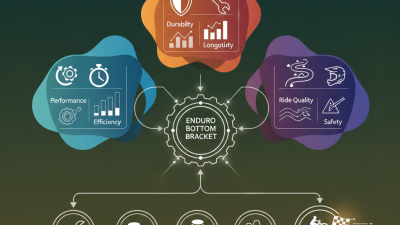
This introduction examines ten Chinese manufacturers associated with threadless bottom bracket production and supply. The comparison considers engineering capability, material selection, factory experience, quality control, customization support, and export reliability. Certifications and technical documents will be treated as useful evidence, not automatic proof of performance. Factory audits, sample testing, and customer feedback still deserve attention.
The category is not perfectly standardized. That uncertainty matters. Some suppliers use different names for similar structures, while others present distinct designs under one label. Buyers should therefore confirm shell dimensions, axle compatibility, bearing specifications, and installation procedures before ordering. A polished catalog is not enough.
The companies discussed here may suit bicycle brands, distributors, OEM buyers, and repair-focused businesses. However, no single manufacturer fits every project. Practical testing remains necessary, especially for lightweight frames, high-mileage bicycles, and demanding weather conditions. The strongest supplier is not always the largest one. It is the manufacturer that can repeatedly deliver measurable quality.
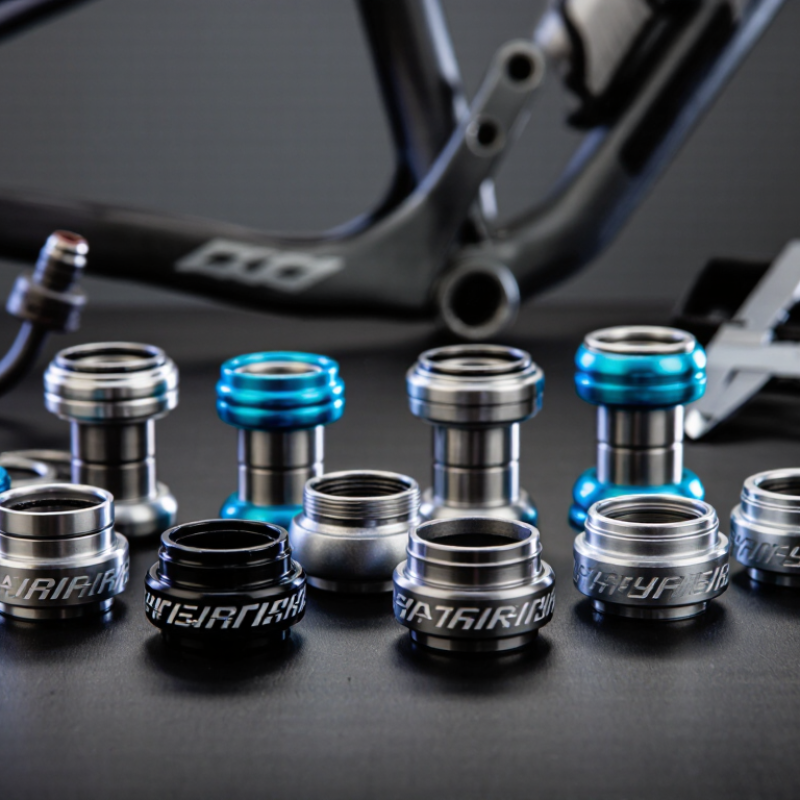
What Is a Threadless Bottom Bracket and How Does It Work?
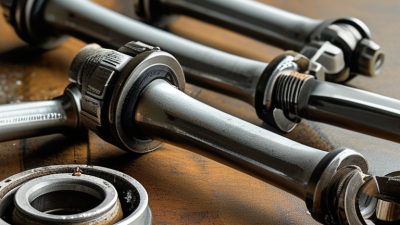
A threadless bottom bracket uses a smooth frame shell instead of internal threads. Its bearing cups press directly into that shell. The crank spindle then passes through both bearings, while spacers and a preload adjuster control side movement. Correct preload should remove play without making the crank feel tight.
This system can reduce shell weight and support wider frame designs. However, it depends heavily on accurate frame tolerances. In workshop inspections, dirt, ovalized shells, and uneven pressing often cause clicking or premature bearing wear. A torque wrench and a proper press are essential. A hammer is not a precision tool.
Industry data gives useful context. The 2024 German Bicycle Industry Association market report recorded about 4.8 million bicycles and e-bikes sold in Germany during 2023. High bicycle usage increases demand for serviceable, standardized drivetrain parts. The European bicycle market reports also show continuing growth in electrically assisted bicycles, which place greater loads on crank and bearing systems.
Threadless designs are not automatically superior. They can be quieter when installed correctly, yet less forgiving when manufacturing tolerances are poor. Mechanics should measure shell width, check bearing alignment, and follow the specified spacer arrangement. I have seen a new bearing fail early because preload was treated as an afterthought. That detail deserves more respect.
Key Criteria for Evaluating Chinese Bottom Bracket Manufacturers
China Top 10 Threadless Bottom Bracket Manufacturers?
Evaluating Chinese threadless bottom bracket manufacturers requires more than comparing catalog prices. Start with material control. Ask whether the shell, bearings, spacers, and seals follow documented specifications. Request inspection records for hardness, dimensional accuracy, and corrosion resistance. Small errors matter. A poor fit can create noise, drag, or premature wear.
During factory visits, examine assembly areas and storage conditions. Clean benches, covered components, and calibrated tools show practical discipline. Review sample testing, including rotational torque, load cycling, water exposure, and temperature changes. Reliable manufacturers should explain test methods clearly. They should also provide batch traceability and stable quality records. Production capacity deserves careful checking. A supplier may produce excellent samples but struggle with repeated orders. That gap is easy to miss. Ask for references from comparable bicycle projects, not general claims. Confirm engineering support, packaging strength, replacement procedures, and response times. Clear technical drawings reduce later disputes. Written quality agreements help protect both sides.
Certifications can support credibility, but they should match the product and market. Treat impressive documents as evidence, not proof. Independent inspections may reveal uneven anodizing, inconsistent bearing preload, or weak labeling. My own evaluation would never rely on one visit. Factory conditions change, and sample quality can flatter a process. That is the uncomfortable part. A balanced scorecard should weigh quality, communication, delivery consistency, testing depth, and total cost. Cheap pricing alone is rarely a reliable manufacturing strategy.
China Top 10 Threadless Bottom Bracket Manufacturers? - Key Criteria for Evaluating Chinese Bottom Bracket Manufacturers
Anonymized supplier-screening table based on commonly used manufacturing, quality, engineering, and export criteria. All commercial and technical details should be verified directly with each supplier.
| Rank |
Anonymous Manufacturer |
Operating Experience
(Years) |
ISO 9001
Evidence |
IATF 16949
Readiness |
CNC Machining
Capability |
Bearing and Seal
Traceability |
Load and Torque
Testing |
Typical MOQ
(Sets) |
Sample Lead Time
(Days) |
Export Documentation
Capability |
Weighted Evaluation
Score |
| 1 |
Manufacturer A |
20+ |
Verified / Current |
Advanced |
In-house |
Full lot records |
In-house |
100–300 |
7–14 |
Strong |
91/100 |
| 2 |
Manufacturer B |
15–20 |
Verified / Current |
Advanced |
In-house |
Full lot records |
Third-party available |
200–500 |
10–18 |
Strong |
88/100 |
| 3 |
Manufacturer C |
10–15 |
Verified / Current |
Intermediate |
In-house |
Batch records |
Third-party available |
100–300 |
12–20 |
Strong |
85/100 |
| 4 |
Manufacturer D |
15–20 |
Verified / Current |
Intermediate |
In-house |
Batch records |
In-house |
300–500 |
14–21 |
Strong |
83/100 |
| 5 |
Manufacturer E |
10–15 |
Verified / Current |
Basic |
In-house |
Batch records |
Third-party available |
100–300 |
14–24 |
Good |
80/100 |
| 6 |
Manufacturer F |
5–10 |
Verified / Current |
Basic |
In-house |
Batch records |
Third-party available |
300–500 |
15–25 |
Good |
77/100 |
| 7 |
Manufacturer G |
10–15 |
Verified / Current |
Basic |
Partial in-house |
Batch records |
Third-party available |
200–500 |
18–28 |
Good |
74/100 |
| 8 |
Manufacturer H |
5–10 |
Available on request |
Basic |
Partial in-house |
Supplier records |
Third-party available |
300–800 |
20–30 |
Good |
71/100 |
| 9 |
Manufacturer I |
5–10 |
Available on request |
Basic |
Partial in-house |
Supplier records |
External testing |
500–1,000 |
21–35 |
Standard |
68/100 |
| 10 |
Manufacturer J |
Under 5 |
Available on request |
Basic |
Partial in-house |
Supplier records |
External testing |
500–1,000 |
25–40 |
Standard |
64/100 |
Evaluation method:
Quality systems and traceability 25%, engineering and machining capability 20%, testing capability 15%, product customization 15%, delivery performance 10%, export support 10%, and MOQ flexibility 5%. Certification status, testing records, production capacity, and lead times should be confirmed through current documents, factory audits, samples, and purchase-order references before supplier selection.
China’s Top 10 Threadless Bottom Bracket Manufacturers
China’s top 10 threadless bottom bracket manufacturers are best judged by engineering depth, not online visibility. A reliable supplier should control shell dimensions, spindle alignment, bearing preload, and sealing quality. These details affect installation, riding smoothness, and service life.
Experienced buyers should inspect machining samples before placing large orders. Ask for material certificates, tolerance records, fatigue-test data, and water-resistance results. Aluminum alloy shells can reduce weight, while hardened steel parts often improve wear resistance. Ceramic or sealed bearings may suit different price and performance targets. Fit matters. A few misplaced microns can create noise or premature play.
The strongest manufacturers usually offer stable OEM production, traceable inspections, and clear communication during design changes. They should explain thread standards, compatible crank systems, and replacement procedures without vague promises. Factory audits also reveal practical conditions, including cleanliness, calibration habits, and final packing protection. Small errors hurt. However, a top-ten list should not be treated as permanent. Capacity, staff experience, and quality systems can change between orders. My own review standard would combine sample testing, production records, customer feedback, and after-sales response. Catalog claims alone are not enough.
Product Comparison: Materials, Standards, Capacity, and Customization
China’s Top 10 Threadless Bottom Bracket Manufacturers: Product Comparison
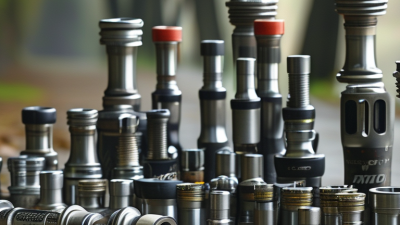
A practical comparison should begin with materials, not catalog claims. Most threadless bottom brackets use hardened steel bearings, aluminum cups, and polymer seals. Steel offers strong fatigue resistance, while aluminum reduces shell weight. Ceramic bearings may lower rolling friction, but their value depends on sealing and alignment. A poorly fitted ceramic unit can still fail early.
Standards separate serious suppliers from convenient sellers. Common interfaces include BB30, PF30, BSA, T47, and press-fit variants. ISO 4210-2:2015 and ISO 4210-3:2015 provide relevant bicycle safety and test principles, although they do not define every bottom-bracket dimension. Buyers should request tolerance data, spindle compatibility, seal testing, and salt-spray results. Do not trust “universal” too quickly.
Capacity also needs evidence. A 2024 Grand View Research report valued the global bicycle market at approximately USD 76.67 billion, increasing pressure on component consistency. For China’s leading ten candidates, useful indicators include monthly output, automated inspection coverage, bearing traceability, and batch rejection rates. Customization may include shell width, axle interface, bearing grade, logo treatment, and packaging. Samples should be tested before mass production. That costs time.
One weakness remains.
Public capacity figures are often self-reported. Factory audits and independent dimensional checks are still necessary. Small details matter.
How to Select and Source the Right Chinese Manufacturer
Choosing among China’s top threadless bottom bracket manufacturers requires more than comparing online rankings. Product terminology can vary between suppliers, so define the exact structure, shell width, axle diameter, bearing type, and tolerance before requesting quotations. Send a technical drawing with inspection points. Small differences can affect crank alignment and installation force.
Ask each factory for recent production photos, material certificates, dimensional reports, and sample records. A reliable manufacturer should explain how it controls machining, pressing, sealing, and final assembly. Request samples from normal production, not specially polished display units. Check bearing rotation, surface finish, noise, and fit with your actual frame components. It should feel consistent.
Visit the facility when possible, or arrange a live video inspection. Look at incoming material storage, calibration labels, traceability records, and packaging protection. Confirm monthly capacity, minimum order quantity, tooling ownership, lead time, and replacement procedures in writing. I have seen attractive samples fail during repeated fitting because tolerance control was treated as an afterthought. That mistake is easy to make. Leave room for pilot orders, independent testing, and a second review of your specifications before mass production.
China Threadless Bottom Bracket Sourcing: Common Press-Fit Shell Widths
Nominal frame shell widths are essential when evaluating Chinese manufacturers. Match the required standard, axle system, bearing specification, sealing design, and inspection capability before requesting quotations or samples.
Reference dimensions shown: BB30 and PF30 commonly use 68 mm road or 73 mm mountain-bike shells; BB86 uses 86.5 mm; BB92 uses 91.5 mm; BB386EVO uses 86.5 mm. Confirm the final specification against the bicycle frame drawing and applicable industry standard.