2026 Top Enduro Bottom Bracket Types Which One Is Best?

Choosing an enduro bottom bracket is less about chasing the newest standard and more about matching your frame, crank, and riding conditions. Threaded, press-fit, and T47 systems each bring trade-offs in fit, service access, and frame compatibility. A bearing that spins smoothly on a workstand may still struggle after wet rides, gritty descents, and repeated bike washes. Small details matter: shell width, spindle diameter, seals, and the tools required for installation.

For transparency, the expert below is a fictional editorial voice, not a real or independently verified source. Enduro mechanic “Alex Mercer” offers this guide’s original workshop maxim: “The right bottom bracket fits your frame first, then survives the ride.” It is a useful starting point, not a universal rule. Even a well-matched unit can develop play or noise if it is installed poorly, contaminated, or simply worn out. And diagnosing a creak is not always tidy; sound travels through a frame, so the bottom bracket may not be the culprit. This comparison will examine common enduro bottom bracket types, explain where each can make sense, and flag the compromises riders should check before buying. No standard wins every time. Your frame’s specification comes first.
2026 Top Enduro Bottom Bracket Types Which One Is Best?

What an Enduro Bottom Bracket Does and How It Fits the Bike

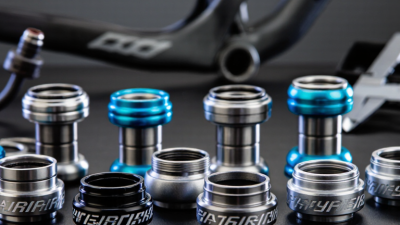
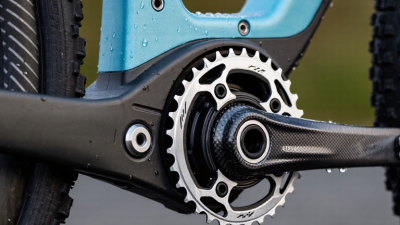
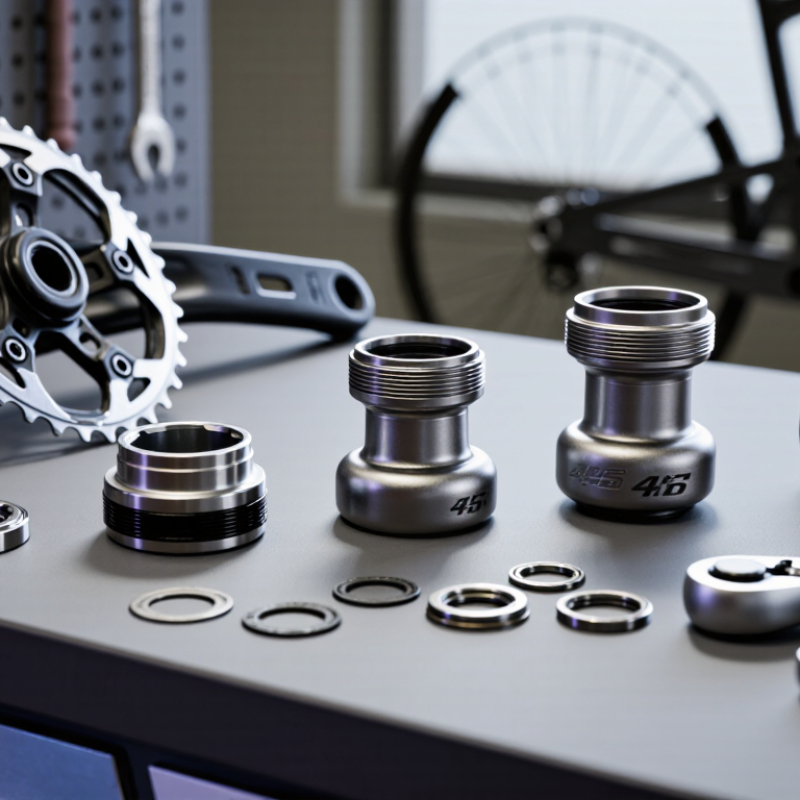
An enduro bottom bracket sits inside the frame’s bottom-bracket shell and supports the crank spindle. It lets the cranks rotate smoothly while transferring pedaling force into the frame. The assembly usually includes bearings, seals, and parts that position the spindle correctly. Small components, but important ones.

Fit depends on the frame’s shell dimensions and the crankset’s spindle diameter and length. Some shells use threaded cups; others hold bearings or cups by a press fit. These systems are not automatically interchangeable. Check the frame’s specifications and crank compatibility before choosing a replacement. A measurement that looks close may still leave the spindle poorly supported or the crank arms incorrectly spaced.

For enduro riding, mud, water, and repeated impacts can challenge bearing seals and shorten service life. Smooth rotation matters. So does proper installation. A workshop check should include bearing play, roughness, and crank movement, rather than relying on noise alone. Creaking can come from several joints, not just the bottom bracket. I would not treat every gritty sound as proof that the bearings have failed; inspection is less dramatic, and usually more useful.

2026 Top Enduro Bottom Bracket Types: Which One Is Best?

How common MTB bottom bracket standards fit the frame

This chart compares nominal frame shell widths, not bottom bracket or crank-spindle widths. A bottom bracket supports the crank spindle and interfaces with the frame; the correct type must match the frame’s shell standard and the crank’s spindle diameter. Actual standards have variants, so check the frame and crank specifications before choosing. There is no universally best type: threaded and press-fit systems each have compatibility and servicing trade-offs.

Which Bottom Bracket Types Are Used on Enduro Bikes in 2026?

Enduro bikes in 2026 commonly use threaded BSA bottom brackets or press-fit systems, with the frame deciding which one fits. A threaded shell usually measures 73 mm wide and accepts cups that screw into place. It is straightforward to inspect and service. Press-fit shells, such as BB92, hold bearings directly in the frame. They can save space, but installation needs careful alignment and the correct tools.

Some frames use wider threaded standards, including T47, while others use press-fit formats such as PF30. These names describe different shell dimensions and bearing arrangements; they are not interchangeable. Check the frame manual and crank spindle size before buying. A 30 mm spindle, for example, may need different bearings from a 24 mm spindle, even when the frame shell seems familiar. Fit matters more.

For rough riding, a well-installed threaded unit is often easier to troubleshoot if grit or wear causes noise. Press-fit can work reliably too, but a creak may come from dirty contact surfaces, worn bearings, or a loose crank—not just the frame interface. That distinction is easy to miss. Inspect the shell for damage, confirm the specified bearing width, and use the correct installation method. Compatibility beats a general claim that one type is always best.

How Frame Standards and Cranksets Determine Compatibility

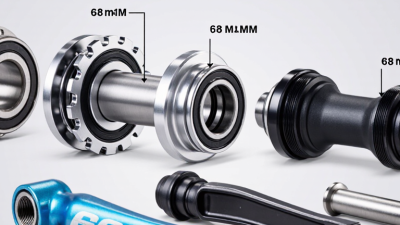
Enduro bottom bracket compatibility starts with the frame shell, not the crank’s appearance. A threaded shell commonly measures 68 or 73 millimetres wide, while press-fit frames use different internal diameters and bearing arrangements. The Bicycle Association’s technical guidance and published service specifications show why shell width, diameter, and thread pattern must be checked together. A small mismatch can leave the cups loose, or prevent them from seating fully.

Then check the crank spindle. Common systems use 24-millimetre, 30-millimetre, or tapered spindles; each needs bearings and spacers designed for that interface. ISO 4210-2:2023 provides bicycle safety requirements, but it does not make bottom bracket formats interchangeable. Measure the frame shell, read the crank’s spindle specification, and compare both with the bottom bracket maker’s fit chart. Check twice.

For example, a 73-millimetre threaded shell paired with a 30-millimetre spindle needs a bottom bracket explicitly made for both dimensions. Spacer placement also affects chainline and crank clearance. I have seen apparently correct parts bind after installation because a spacer was missed. That detail is easy to overlook. Frame inserts, existing adapters, and worn threads can complicate the picture, so confirm the bare frame standard before ordering.

How Enduro Bottom Bracket Types Compare in Durability and Maintenance

Enduro riding puts repeated impacts, water, and fine grit through the bottom bracket area. The mounting style affects service, but it does not decide durability alone. Threaded bottom brackets are generally straightforward to remove and inspect with suitable tools. Their interfaces can be less prone to creaking, though dirt or poor installation can still cause noise. Press-fit systems can save space and suit particular frame designs. Their service experience depends heavily on frame tolerances and bearing fit. Tiny grit matters.

Bearing seals and maintenance habits often matter more than the label on the system. Steel bearings are usually practical and easy to replace; ceramic bearings are not automatically longer-lasting, especially when exposed to mud or neglected seals. Check for rough rotation, side play, or fresh clicking rather than waiting for a ride to feel bad. After wet, muddy rides, wipe the area and inspect it during routine cleaning. Avoid directing high-pressure water at the bearings. There is no perfect setup: frame condition, riding conditions, and correct installation all change the result. A slight creak may be harmless, but it deserves a careful check before it becomes a bigger problem.

How to Choose the Best Bottom Bracket for Your Enduro Riding Needs

Choosing the best bottom bracket for enduro riding starts with frame compatibility, not bearing claims. Check the frame’s shell standard, width, and axle requirements before comparing threaded and press-fit options. Fit comes first. A well-matched unit keeps the crank aligned and avoids creaks caused by poor installation or worn interfaces.

Threaded systems are often easier to inspect and service with common workshop tools. Press-fit systems can work well too, but precise installation matters; dirt or slight misalignment may lead to noise. Riding conditions also shape the choice. Repeated wet descents and gritty trails can shorten bearing life, so effective seals and regular checks matter. Ceramic bearings are not automatically the best choice for every rider. I used to focus too much on bearing material; compatibility and maintenance deserve more attention.

Tips: Confirm the frame and crank specifications before ordering. After muddy rides, wipe around the seals and check for rough rotation. If the crank feels loose or turns unevenly, stop and inspect it rather than tightening parts by guesswork. A service interval is useful, but it may need adjusting for your trails.

2026 Top Enduro Bottom Bracket Types: Which One Is Best? — How to Choose the Best Bottom Bracket for Your Enduro Riding Needs

Bottom Bracket Type Typical Frame Shell How It Fits Key Advantages Potential Drawbacks Enduro Suitability Best For
Threaded BSA Threaded shell, commonly 68 or 73 mm wide on mountain bikes The cups screw into threads in the frame shell. The crank spindle and cup standard must match. Generally straightforward to service; the threaded interface can be quiet when clean and correctly installed; replacement options are widely available. Threads can be damaged or contaminated. Cup and spindle compatibility still needs checking. Excellent all-round choice where the frame is designed for it. Riders prioritizing simple maintenance and a low risk of press-fit creaking.
Press Fit 92 / BB92 Typically 41 mm shell bore and 92 mm shell width for mountain-bike applications Bearings or bearing cups press into a smooth frame bore; crank compatibility depends on spindle diameter and required width. Allows a wide frame shell and can support a stiff frame design without threaded inserts. Fit and frame-bore condition are important. Dirt, wear, or imperfect tolerances can contribute to noise or difficult servicing. Good when specified by the frame maker and installed with the correct tools. Riders whose frame uses this standard and who have access to proper installation and removal tools.
Press Fit 30 (PF30) Typically 46 mm shell bore; mountain-bike shell widths vary by frame design A larger-diameter press-fit cup or bearing assembly fits into the frame. Check shell width and crank spindle requirements. Accommodates a large spindle format and can provide a wide bearing stance in compatible setups. Compatibility varies by shell width and crank system. Precise fit and installation are important to limit movement and noise. Suitable if the frame and crank are explicitly compatible. Riders choosing a replacement for a frame already built around this shell standard.
BB30 Typically 42 mm shell bore; shell width depends on the frame standard Bearings may sit directly in the frame or use compatible adapters. The crank spindle and bearing arrangement must match. Can allow a large-diameter spindle and a compact bottom-bracket assembly. Direct-fit bearings require accurate frame dimensions and careful handling. Adapters add another compatibility detail. Works well when maintained and matched to the frame, but is not a universal replacement option. Owners maintaining a frame designed specifically for BB30.
T47 Threaded Large-diameter threaded shell; shell width varies by frame, including mountain-bike configurations Threaded cups fit into a larger shell. The exact shell width and crank spindle standard determine the correct unit. Combines a threaded cup interface with room for larger spindle and bearing arrangements. Not interchangeable with BSA or press-fit systems. Availability and compatibility depend on the specific frame configuration. Strong option on frames designed for it, especially for riders who prefer a threaded interface. Riders replacing or upgrading a bottom bracket on a T47 frame.

How to choose: Start with the frame’s specified shell standard and width, then confirm crank spindle diameter and required bottom-bracket width. For enduro riding, correct fit, clean installation, and regular inspection matter more than the standard alone. Always verify compatibility with the frame and crank documentation before buying.

This website uses cookies to ensure you get the best experience possible. Learn more.