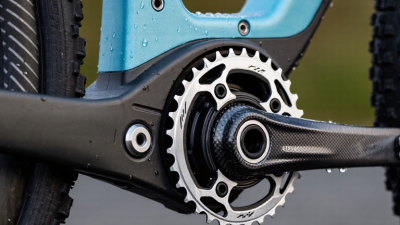
Why Choose a BB86 Press Fit Bottom Bracket?
Choosing a bb86 press fit bottom bracket can give a compatible road frame a tidy, integrated setup. The system places its bearings in cups pressed directly into the frame, rather than threaded into a separate shell. That can reduce external hardware and leave the crank area looking clean. A neat fit matters. So does correct sizing.
BB86 typically refers to a road frame shell about 86.5 mm wide, with a 41 mm bore. But the label alone does not confirm compatibility with every crankset. Check the frame maker’s specifications, spindle diameter, and bearing requirements before ordering. A well-matched unit should turn smoothly, with no play or roughness after installation. Proper alignment and suitable press-fit tools matter, too; forcing a cup into place can damage parts. In workshop use, fit and frame condition can affect noise and bearing life, so recurring creaks deserve inspection rather than guesswork. Press-fit systems can be more sensitive to tolerances than threaded designs. That is a real trade-off, not a reason to dismiss them. This guide will explain where BB86 makes sense, how to check compatibility, and what to consider before installation. Some details vary by frame and crank. Verify them.
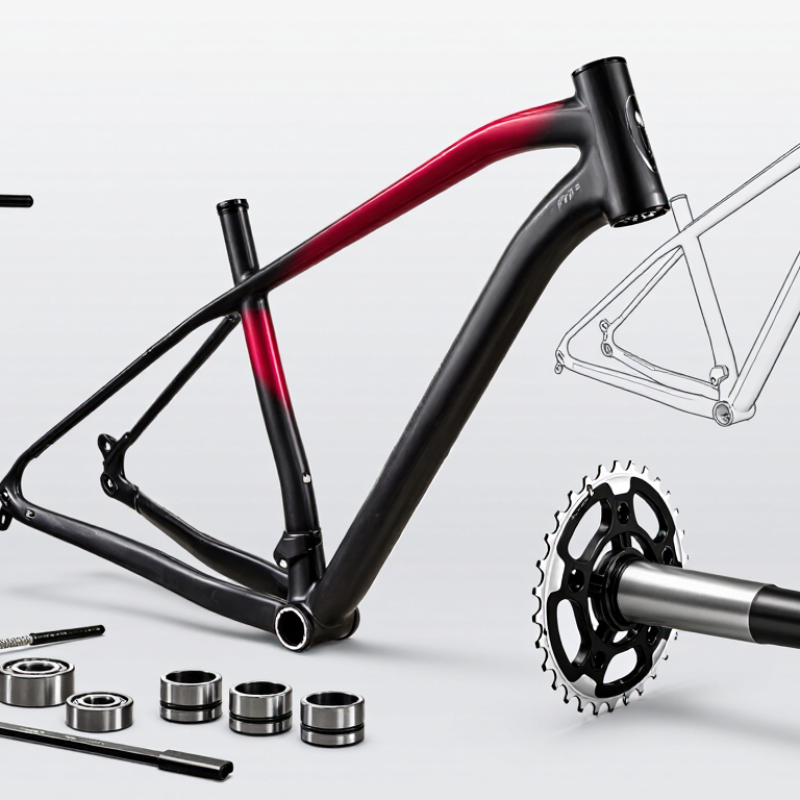
What Is a BB86 Press-Fit Bottom Bracket?
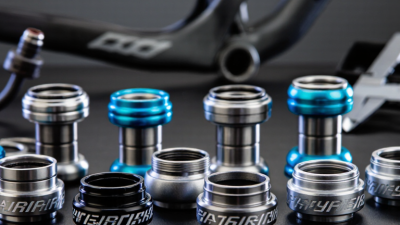
BB86 is a press-fit bottom bracket standard used in many road frames. The frame has a smooth, unthreaded shell, typically 86.5 mm wide with a 41 mm inner diameter. Bearings sit in cups, or in compatible assemblies, pressed into that shell. There are no threads to tighten. That fit matters.
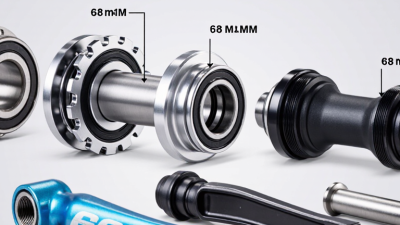
The standard is commonly paired with a 24 mm crank spindle, but compatibility is not automatic. Check the spindle diameter, frame specification, and bottom-bracket instructions before buying parts. BB86 is sometimes grouped with other press-fit standards, yet shell width and bore size can differ. A few millimeters matter.
A correctly fitted unit should sit evenly, without visible gaps or movement. Dirt on the shell, damaged edges, or an incorrect fit can cause noise and wear. Installation needs the right tools and steady pressure; forcing a cup can harm the frame.
The naming is not always clear, and that can trip people up. Confirm the frame specification instead of relying on the name alone.
How the BB86 Standard Fits into a Bicycle Frame
BB86 describes the frame shell, not a complete crank or bearing system. Bicycle-industry dimensional tables specify a nominal 41 mm bore and 86.5 mm road shell width. These measurements define where the press-fit cups sit inside the frame. The frame maker’s drawing matters. A caliper check can reveal paint buildup, ovality, or a shell that differs from nominal dimensions. Small errors matter.
ISO 4210-2:2023 sets bicycle-frame safety requirements, while BB86 fit tables define interface geometry; they answer different questions. Check the crank spindle standard too, because matching shell dimensions alone cannot confirm bearing compatibility. During assembly, cups should enter squarely, without gritty resistance or visible rocking. Do not force a tight cup; inspect alignment and the installation limits for the components. That sounds straightforward. It isn’t always. Press-fit noise can be mistaken for a poor fit, but contamination, preload, and worn parts may also contribute. A careful fit check helps narrow the cause before parts are replaced.
Why Choose a BB86 Press Fit Bottom Bracket? - How the BB86 Standard Fits into a Bicycle Frame
| Dimension |
BB86 Details |
What It Means for the Frame or Rider |
| Frame shell width |
86.5 mm |
The frame’s bottom-bracket shell is designed around this width. Confirm the frame specification before selecting a bottom bracket. |
| Shell bore diameter |
41 mm nominal |
The bearing cups or bearing unit are pressed into the frame’s unthreaded shell, which must be made for this standard. |
| Frame interface |
Press fit; no threaded shell interface |
Installation relies on the fit between the bottom-bracket unit and the frame bore rather than on screw threads. |
| Common crank spindle fit |
24 mm spindles are commonly supported by BB86 bottom brackets |
Compatibility depends on the specific bottom bracket and crankset. Check spindle diameter, bearing arrangement, and any required spacers. |
| Other spindle sizes |
Some BB86-compatible units are designed for other spindle diameters |
Do not assume every crankset will fit. Verify that the bottom bracket is specifically made for both the BB86 shell and the crank spindle. |
| Typical application |
Commonly used on road bicycle frames |
The frame documentation is the final reference; similar-looking press-fit standards can have different shell widths or bore dimensions. |
| Installation |
Requires a correctly sized press-fit unit and suitable installation tools |
Clean, accurately aligned surfaces and careful pressing help reduce the risk of damage or unwanted movement. Follow the frame and bottom-bracket instructions. |
| Key compatibility check |
Match the frame shell and crankset to the bottom bracket |
Check the frame’s stated standard, shell width and bore, spindle diameter, and any manufacturer-specific fit requirements before purchase. |
Which Cranksets and Frames Are Compatible with BB86?
A BB86 frame accepts a press-fit bottom bracket for a 41 mm internal shell diameter and an 86.5 mm road shell width. These dimensions are listed in bicycle-service technical references; the related BB92 mountain-bike shell is typically 91.5 mm wide. Measure the frame rather than relying only on a model name. Paint, debris, or a worn shell can complicate measurement. Small differences matter.
Cranksets with 24 mm spindles are generally the most direct match, provided the spindle length and chainline suit the frame. Check the crankset maker’s compatibility chart and the bottom-bracket specification together. Some 30 mm-spindle cranksets can work with purpose-designed conversion bearings, but clearance and bearing durability vary. Not every combination is approved. A shop can check spindle fit and bearing seating before installation. I would recheck the shell dimensions, too; a listed standard does not guarantee a perfect fit on a used frame.
What Are the Benefits and Limitations of BB86?
BB86 uses an 86.5 mm-wide frame shell with a 41 mm internal diameter. Its press-fit cups sit inside the frame rather than threading into it. This arrangement can leave room for a sturdy frame junction and a clean exterior. It also works with many crank systems, but compatibility depends on spindle diameter and the exact bottom-bracket parts specified for the frame.
That matters. A correctly fitted BB86 unit can run quietly and support smooth pedaling, while keeping the assembly relatively simple. The wider shell may also help frame designers balance stiffness and weight, though it does not guarantee a stiffer bicycle by itself. Frame material and construction still count.
The limitation is fit precision. If the shell is poorly sized, misaligned, or damaged, the cups may move slightly and produce creaking or uneven bearing wear. Press-fit parts also need the right installation tool; forcing them in can harm the cups or frame. Not always easy. Before replacing parts, check the frame specification, spindle size, and shell condition. A careful fit helps, but BB86 can be less forgiving than a threaded system when tolerances are off.
How to Choose and Maintain a BB86 Bottom Bracket?
A BB86 bottom bracket must match both the frame shell and the crank spindle. The common road shell measures 86.5 mm wide, with a 41 mm internal diameter, but verify your frame’s specifications before buying. Check the spindle diameter and required bearing arrangement; a BB86 label alone does not guarantee crank compatibility.
Also consider riding conditions. Frequent rain or gritty roads can make effective seals and replaceable bearings especially useful.
Fit matters. Clean the shell and inspect it for damage before installation. Use a correctly sized press tool to guide the cups in straight; uneven pressure can damage the frame or cause persistent creaking.
Small details matter. If the fit feels unusually loose or tight, stop and check the parts rather than forcing them.
After wet rides, wipe away grime and avoid spraying high-pressure water at the bearing area. Check periodically for rough rotation, side play, or new noises. A quiet crank is reassuring, but not proof that every bearing is healthy. Even careful checks can miss early wear, so investigate changes promptly and replace worn parts using the frame and component makers’ service guidance.